Showing posts with label audio equipment. Show all posts

Saturday, February 28, 2026

Luxury Hi-Fi Brand Unveils Affordable Bluetooth Speakers for Modern Vinyl Enthusiasts

Featured Image

New Active Speakers from Elipson Elevate Audio Experience

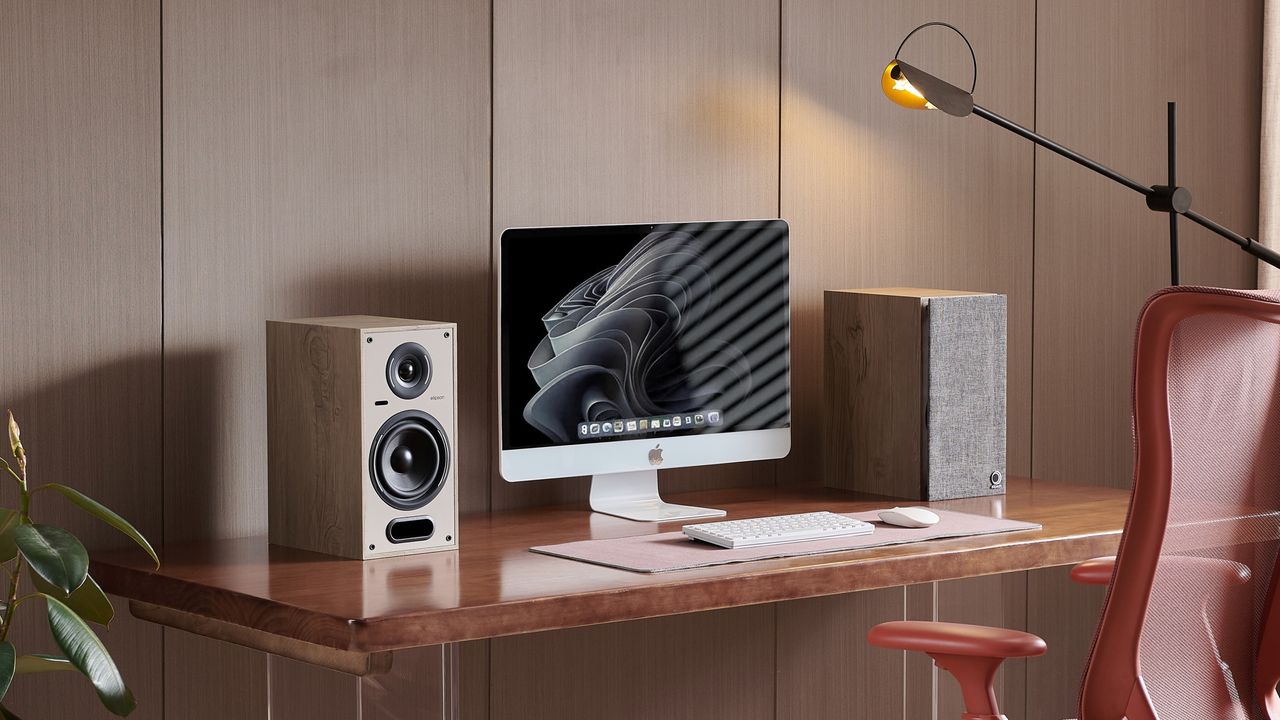
Elipson, a renowned French luxury audio brand, has recently introduced two new active speakers in its Horus series: the Horus 6B Active BT bookshelf speaker and the Horus 11F Active BT floorstander. These models are designed to deliver high-quality sound while offering versatile connectivity options for modern listening environments.

Both speakers come equipped with built-in 50W stereo amplification, ensuring powerful and clear audio output. They feature a sophisticated bass reflex system, which enhances low-frequency performance without compromising on clarity. The drivers used in these speakers include 130mm glass fiber-reinforced cellulose pulp bass/mid-range units and 25mm silk dome neodymium tweeters, providing a balanced and detailed soundstage.

The Horus 6B and Horus 11F are available in three elegant finishes: light wood / beige, walnut / dark gray, and black / carbon. This range of options allows users to choose a design that complements their home decor while maintaining a premium aesthetic.

Key Features and Connectivity Options

One of the standout features of the Horus 6B Active BT is its USB Audio connection, which supports plug-and-play functionality for PCs and Macs. This allows for high-resolution audio playback at up to 24-bit/96kHz, making it ideal for audiophiles who want to enjoy their digital music library in the best possible quality.

Additionally, the Horus 6B includes a moving magnet (MM) phono input, enabling direct connection to turntables without the need for an external pre-amp. This makes it a convenient choice for vinyl enthusiasts looking to integrate their analog collection into a modern audio setup.

Both speakers also offer multiple input options, including HDMI ARC for seamless integration with televisions, coaxial and optical inputs capable of handling 24-bit/192kHz audio, and Bluetooth 5.0 with aptX HD support. This ensures compatibility with a wide range of devices, from smartphones to streaming services.

Performance and Availability

In terms of frequency response, the Horus 11F Active BT delivers a broad range of 40Hz to 20,000Hz, making it suitable for a variety of music genres and listening scenarios. The Horus 6B Active BT has a slightly narrower range of 55Hz to 22,000Hz, but still provides excellent sound quality for most applications.

The Horus 6B Active BT is currently available for purchase, while the Horus 11F Active BT will be released in early October 2025. The recommended retail prices are £399 (approximately $530 or AU$840) for the Horus 6B and £899 (around $1,200 or AU$1,880) for the Horus 11F.

Conclusion

With their advanced features, stylish designs, and versatile connectivity, the Elipson Horus 6B and Horus 11F Active BT speakers are poised to become popular choices among both casual listeners and audiophiles. Whether you're looking to upgrade your home audio system or set up a dedicated listening space, these speakers offer a compelling combination of performance and style.

Saturday, August 23, 2025

The Gaffer's Dictionary: A Glossary of Lighting and Grip Equipment

GaffersOn set, there is one of the most underrated jobs. They work with the cinematographer and director to help set the look and feel of the movie. And they have all sorts of tricks and tools inside their kits to make it happen.

Today, I wanted to go over some terms that all gaffers know, and if you want to break into that game, you should know them, too.

Let's dive in.

The Gaffer's Dictionary

A

Apple Box:A sturdy wooden box used for a variety of purposes on set, such as propping up furniture, leveling dolly track, or giving an actor a temporary boost in height. They come in standard sizes: full, half, quarter, and pancake.

Articulated Arm:A jointed metal arm with a locking mechanism, used to hold small lights, flags, or cameras in precise positions. Also known as a Noga Arm or Israeli Arm.

Arri:A German manufacturer of high-end film and digital cinema cameras, lenses, and lighting equipment. The term is often used to refer to their popular HMI and LED lighting fixtures.

B

Baby:A term used to describe a light fixture or piece of grip equipment with a 5/8" stud, which is a standard size for mounting on light stands.

Ballast:An electronic device required to regulate the current and voltage for HMI and fluorescent light fixtures.

Barndoors:Metal flaps attached to the front of a lighting fixture that can be adjusted to shape and control the light beam.

Bead Board:A sheet of polystyrene foam, typically white, used as a reflector or fill light source. It creates a very soft light.

Best Boy:The chief assistant to either the Gaffer (Best Boy Electric) or the Key Grip (Best Boy Grip). They are responsible for managing the crew, equipment, and administrative tasks for their respective departments.

Black Wrap:A heavy-duty, malleable black aluminum foil used to block light leaks, create snoots, or shape a light beam.

Blonde:An open-faced 2,000-watt (2K) tungsten lighting fixture.

Bounce Board:A large, flat surface, typically white or silver, used to reflect light onto a subject. It creates a soft, indirect light source. Also known as a "show card" or "foam core."

Butterfly Frame:A large metal frame over which fabric (such as silk, griffolyn, or nets) is stretched to diffuse or block light over a wide area. Common sizes are 6'x6', 8'x8', and 12'x12'.

C

C-Stand (Century Stand):A versatile and heavy-duty stand used to hold a variety of lighting and grip equipment, such as flags, nets, and small lights. Its unique staggered leg design allows it to be placed close to other stands and objects.

Cardellini Clamp:A versatile, jaw-style clamp that can be attached to flat or round surfaces to mount small lights or other gear.

China Ball:An inexpensive, spherical paper lantern used to create a soft, omnidirectional light source.

Combo Stand:A heavy-duty stand with a combination head, featuring both a 1 1/8" Junior receiver and a 5/8" Baby pin.

Cookie (Cucoloris):A piece of wood or foam core with random shapes cut out of it. When placed in front of a light, it creates a patterned or dappled lighting effect, often used to simulate light coming through tree leaves.

Courtesy Flag:A small, solid black flag used to shield the camera lens from a light source to prevent lens flare.

Cutter:A large, black, rectangular flag used to block light and create shadows.

D

Dimmer:A device used to control the intensity of a light by varying the voltage supplied to it.

Dolly:A wheeled platform on which a camera is mounted, allowing for smooth, fluid camera movements.

Dot:A small, round scrim, net, or solid used for precise light control on small areas.

Velvet:A heavy, black, matte fabric used to block light and create negative fill.

E

Egg Crate:A grid-like device that attaches to the front of a softbox or large light source to narrow the beam and reduce spill.

F

Fill Light:A secondary light source used to "fill in" the shadows created by the key light, reducing contrast.

Finger:A small, long, and narrow flag used to block a small portion of light.

Flag:A general term for a variety of light-blocking or light-modifying devices, including cutters, nets, and silks.

Floppy:A large cutter with an extra piece of fabric attached on one side and can be unfolded to double its size.

Fresnel:A type of lens used in lighting fixtures that creates a soft, even beam of light that can be focused from a tight spot to a wide flood.

G

Gaffer:The head of the electrical department, responsible for designing and implementing the lighting plan for a production.

Gaffer Tape:A heavy-duty, cloth-backed adhesive tape used for a wide range of tasks on set. It is known for its strength and easy removal.

Gel:A colored sheet of plastic placed in front of a light source to change its color or color temperature.

Genny (Generator):A portable power generator used to supply electricity on site.

Gobo:A metal or glass disc with a pattern etched into it that is placed inside a lighting fixture to project a specific shape or design. Also refers to a grip head.

Grip:A technician responsible for setting up and operating all the non-electrical equipment on set that supports the camera and lighting, such as stands, dollies, and cranes.

Grip Head:A mounting device that attaches to the top of a C-stand and is used to hold grip arms, flags, and other equipment.

H

HMI (Hydrargyrum Medium-Arc Iodide):A type of high-intensity discharge lamp that produces a powerful, daylight-balanced light.

Hot Points:A warning shouted when carrying something with long, pointed ends (like a C-stand) through the set to alert others.

J

Junior:A term for a larger light fixture or piece of grip equipment with a 1 1/8" pin.

K

Key Grip:The head of the grip department, responsible for managing the grip crew and all grip equipment.

Key Light:The primary light source in a scene, which establishes the overall mood and direction of the light.

Kino Flo:A brand of fluorescent lighting fixtures known for their soft, even light quality, often used for lighting talent.

L

Leko:A brand name for an ellipsoidal reflector spotlight that can project a sharp, focused beam and be shaped with internal shutters.

Lollipop:A large grip head, typically with a 4.5" diameter, used for mounting large frames and reflectors.

M

Mafer Clamp:A versatile clamp with a padded jaw that can be attached to a variety of surfaces and has multiple mounting points for lights and other equipment.

Matth-Pole:An extendable pole used for holding lightweight items such as small lights or microphones.

N

Negative Fill:The process of using a black surface (like duvetyne or the black side of a V-flat) to absorb light and create or enhance shadows.

O

Open Face:A type of lighting fixture that does not have a lens, resulting in a hard, less controlled beam of light.

P

Platypus Clamp:A clamp with two flat, spring-loaded jaws used to hold foam core or bead board. Also known as a "Quacker" or "Duckbill."

R

Redhead:An open-faced 1,000-watt (1K) tungsten lighting fixture.

S

Sandbag:A heavy bag filled with sand or shot, used to weigh down and secure stands and other equipment.

Scissor Clamp:A clamp designed to attach to the metal grid of a drop ceiling, used for mounting lightweight fixtures.

Scrim:A wire mesh screen placed in front of a lighting fixture to reduce the intensity of the light without changing its quality.

Silk:A large piece of diffusion fabric used to soften and spread a light source.

Snoot:A cone-shaped tube that fits over a light to narrow its beam into a small, concentrated spot.

Softbox:A fabric enclosure that fits over a light source, with diffusion on the front, to create a soft, even light.

Spud:An adapter, typically a short metal post, used to connect different types of grip gear.

Stinger:An industry term for a heavy-duty extension cord.

V

V-Flat:Two large pieces of foam core taped together on one side to form a "V" shape. They are typically white on one side and black on the other and are used for bouncing or blocking light.

Y

Yoke:The U-shaped bracket that attaches a lighting fixture to a stand, allowing it to be tilted.
Let us know if there are more we should add in the comments.

I built a $30 "Now Playing" display for my record player with an ESP32, and it looks great

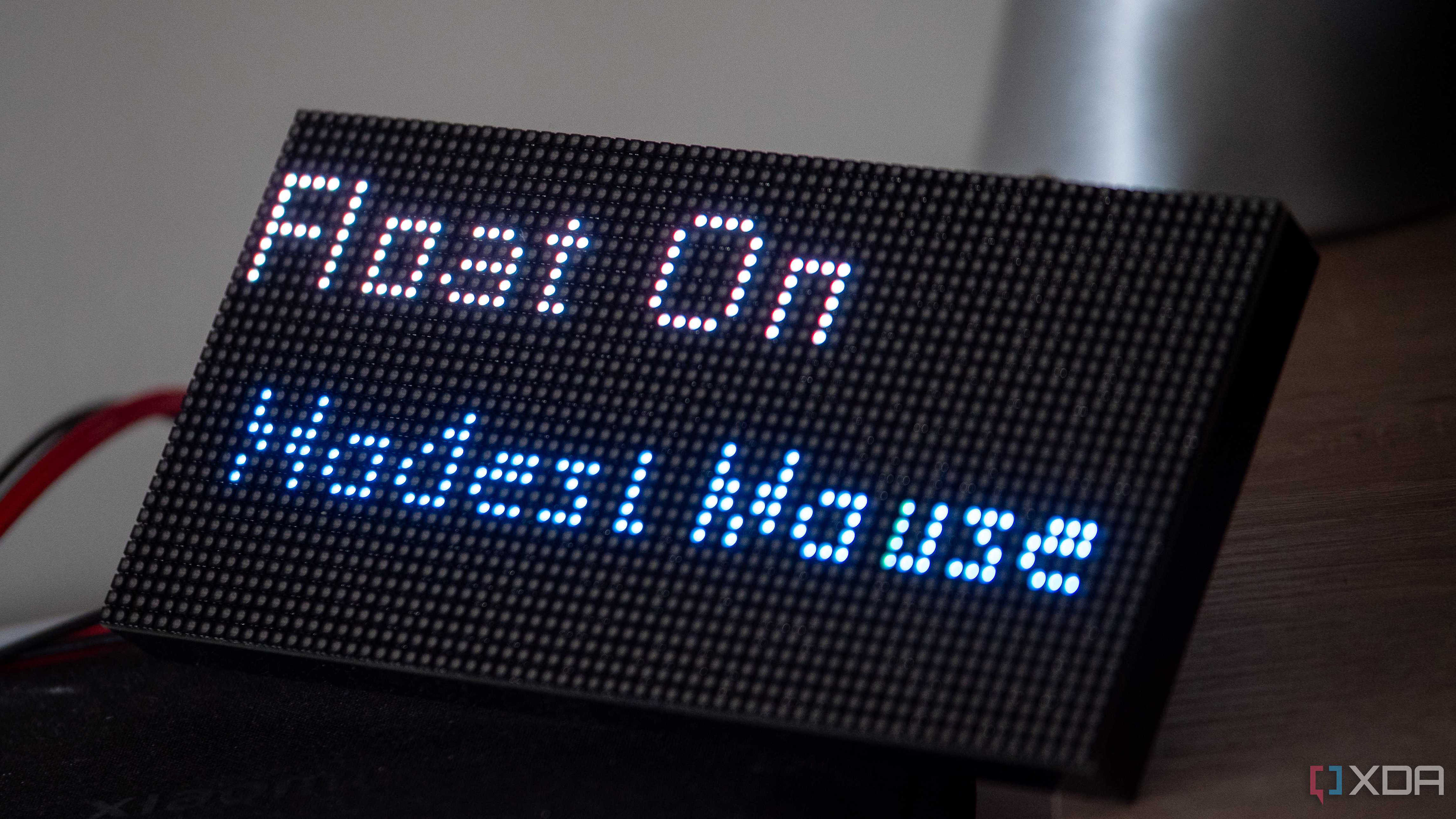
The ESP32 is an incredibly versatile microcontroller, and so long as you have the wires and the hardware to connect it to, you can do practically anything with it. I built an LED matrix display with an ESP32 and a Waveshare 64x32 panel a few weeks ago, and now I've turned it into a device that can show what is playing at any given time.

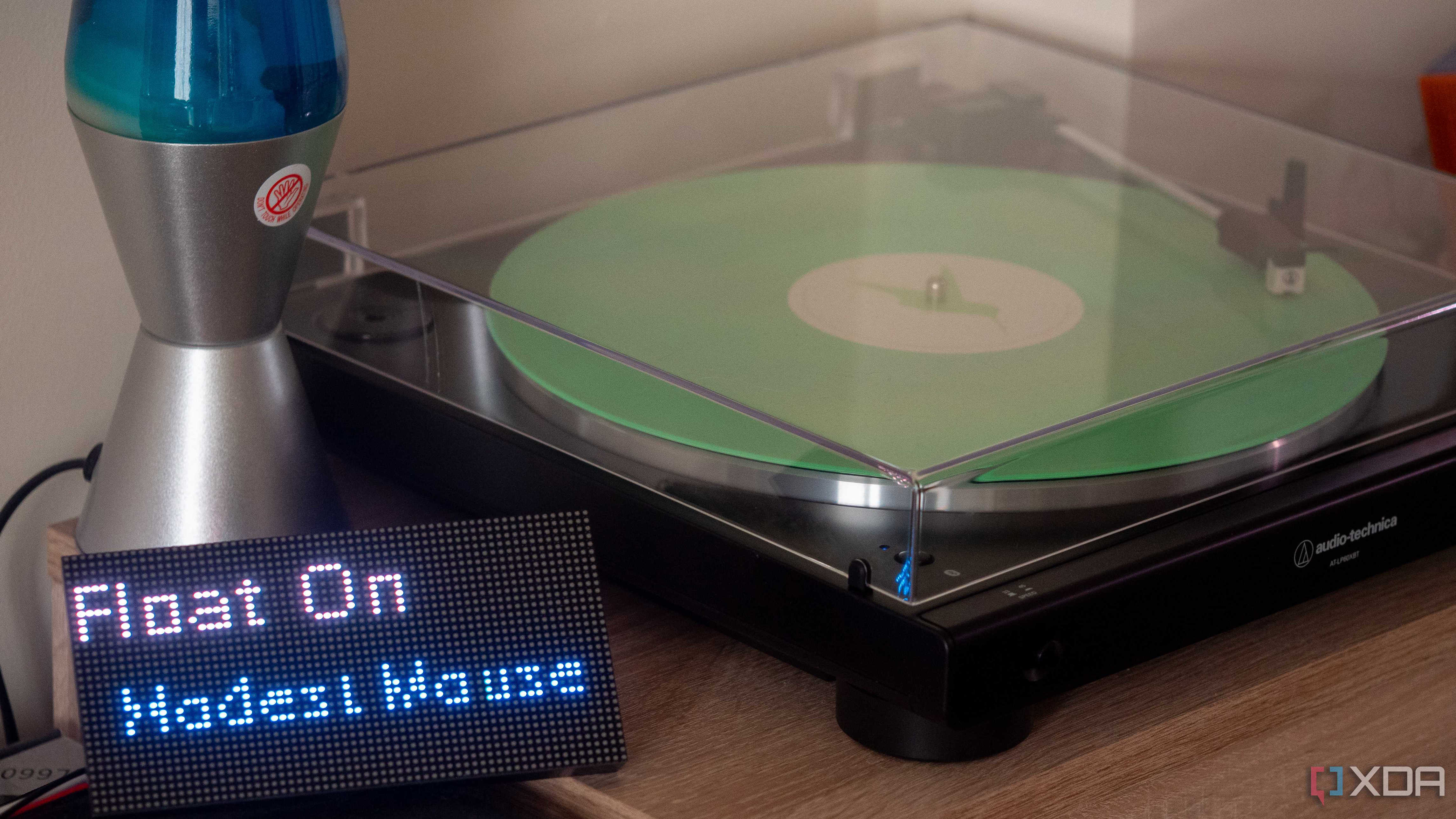
There's a twist, though: I'm not just pulling a "now playing" sensor from Spotify, I'm identifying the track that I'm currently playing on my record player. This uses a combination of a microphone placed on my speaker, Shazam, and an MQTT server to publish results to for displaying on the screen. The end result is an easy way for anyone in my home to see what song is currently playing on my record player, without needing to ask.

Setting up Shazam

There's a great Python library for this

Before getting into the hardware side of things, we need a way to identify the tracks that are currently playing. There's a reverse-engineered Shazam API called "Shazamio" that we can use for this, as it uses the same official endpoints that the official apps use to identify a playing track. We can invoke this in Python, pulling audio from our microphone, and forward this to an MQTT server.

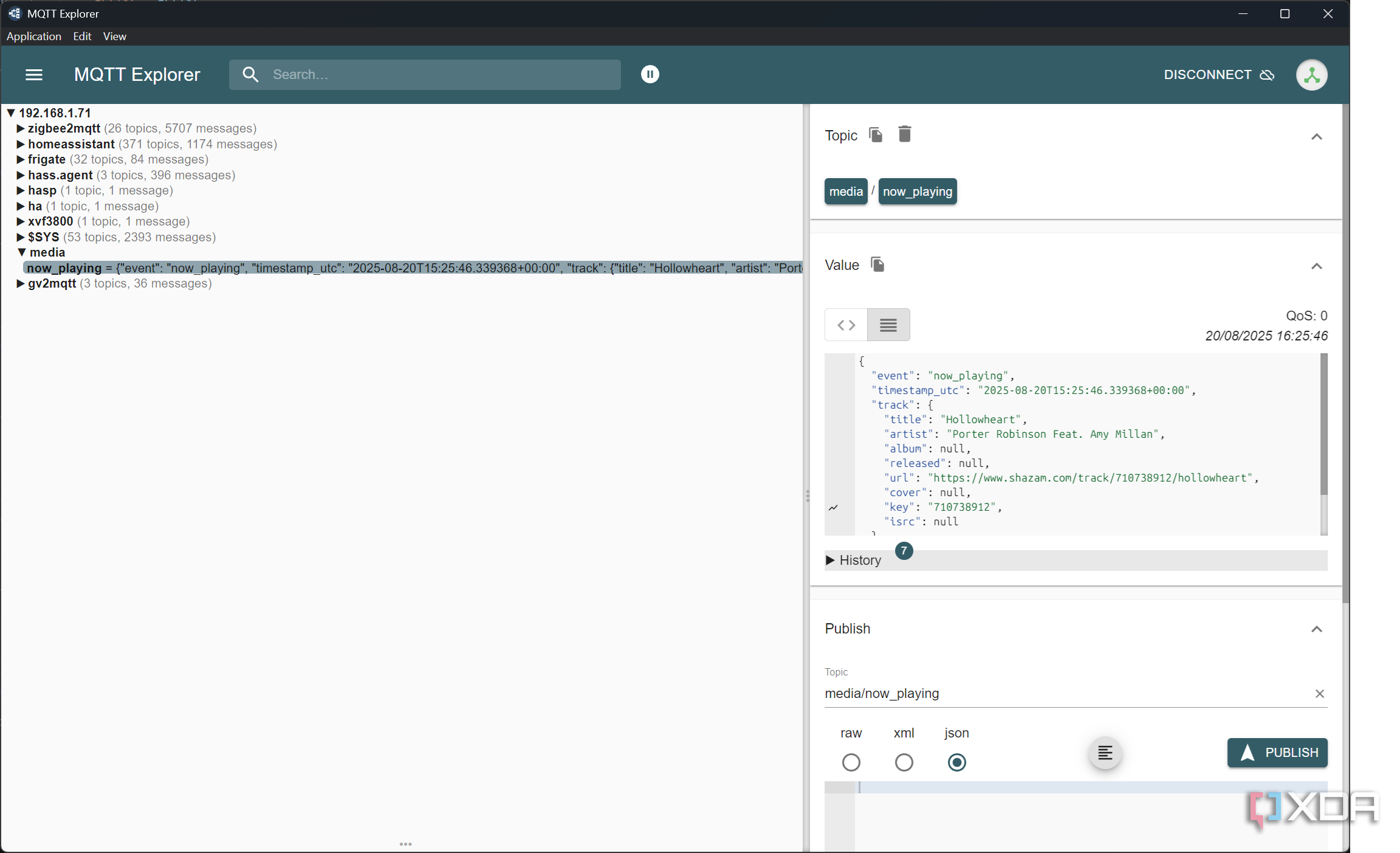
I once used the Shazamio library a long time ago, so I was able to repurpose my old code for a lot of this, reporting the data to an MQTT broker instead. I use MQTT for a lot of my self-hosted services, including for Zigbee2MQTT, so it was trivial to point it to my broker for reporting track data. I send basically everything, and a sample report to my MQTT server looks like this:

{

"event": "now_playing",

"timestamp_utc": "2025-08-20T15:54:18.424651+00:00",

"track": {

"title": "Ocean Breathes Salty",

"artist": "Modest Mouse",

"album": "Good News for People Who Love Bad News",

"released": "2004",

"url": "https://www.shazam.com/track/40298344/ocean-breathes-salty",

"cover": "https://is1-ssl.mzstatic.com/image/thumb/Music124/v4/f9/02/da/f902dad6-7a7e-203a-5648-78e67d42b515/mzi.fcuuybmm.jpg/400x400cc.jpg",

"key": "40298344",

"isrc": "USSM10315495"

},

"track_id": "40298344",

"source": "microphone/shazam"

With this, we could even process the cover art if we wanted to dynamically pick colors for text. It's trivial to pull that data from the Shazam API response, meaning we can easily identify a track and then submit the data for showing on a display beside the record player.

Privacy is something that I put a lot of thought into when developing this, but there aren't many alternatives. The best I could come up with was putting the microphone right on the speaker, as the audio being so loud relative to the microphone's placement will drown out anything else in the room. I have a theoretical solution to safeguard this as much as possible when it comes to privacy and safeguarding against rate limiting, though it's not in place yet.

Currently, I poll every ten seconds for the currently playing track. When it comes to a record player, you could pull the length of the song and then not start polling again until it's nearly over. You won't be skipping songs anyway, so we can just wait out the length of the song between polls, meaning a minimal amount of audio data gets sent while still managing robust music identification.

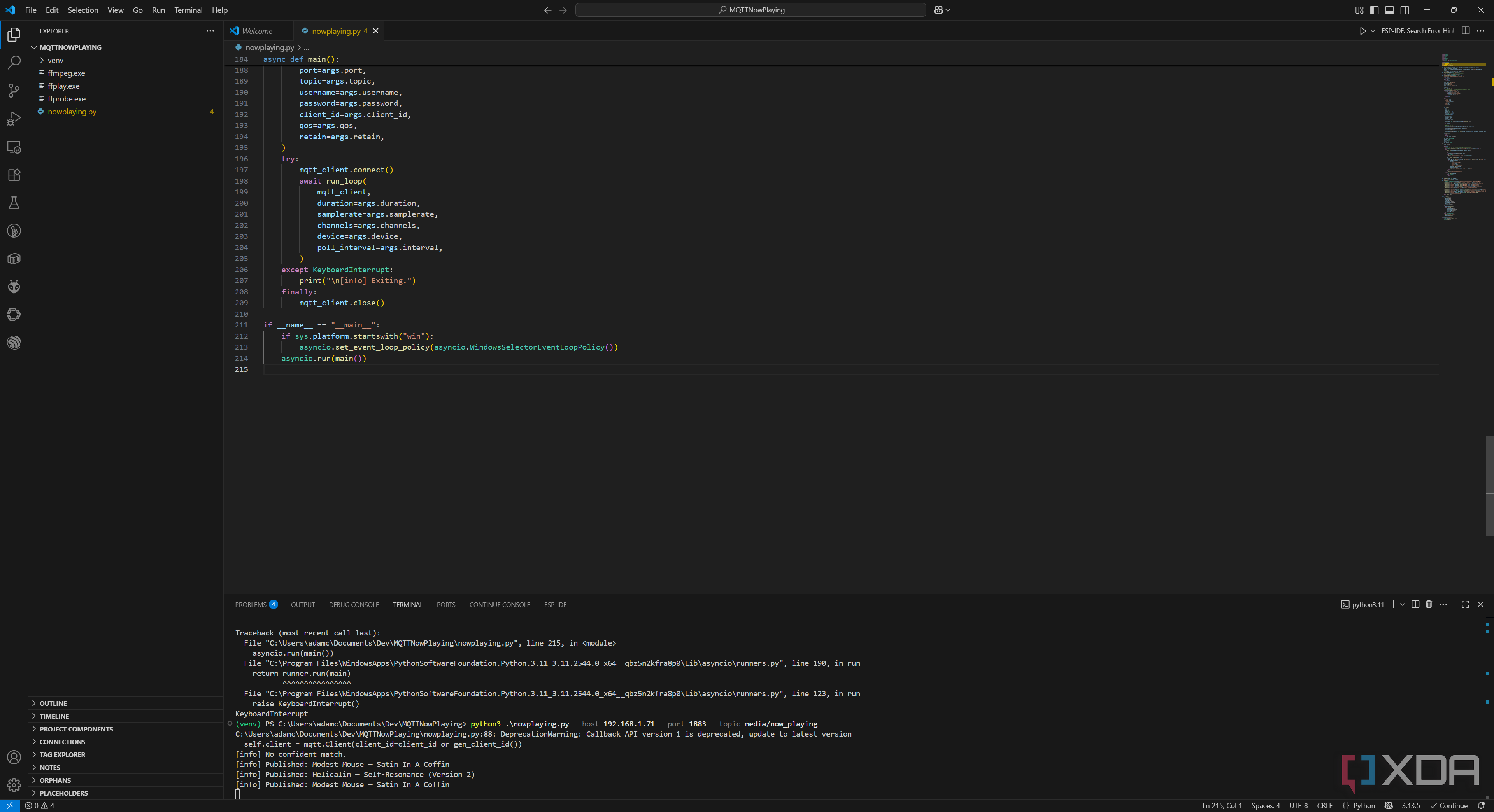
There is a problem with this, though, and it's why I didn't implement it. Shazam won't be perfect when it comes to identifying the music that's playing, and it sometimes makes mistakes. See the text below, taken from the above screenshot:

[info] Published: Modest Mouse — Satin In A Coffin

[info] Published: Helicalin — Self-Resonance (Version 2)

[info] Published: Modest Mouse — Satin In A Coffin

If Shazam identifies the wrong song, that means it won't get an accurate reading of whatever song is playing. I could theoretically hook up a button to the ESP32 to force a song re-check if I know it's wrong by communicating with the MQTT broker, but that also introduces additional complexity. In that scenario, the listener service I've developed could then poll the MQTT broker for that message, and if it exists, recheck the song. It's a bit overengineered, but it's the nature of trying to read data like this from an analog data source.

Right now, the best solution that I have is a check every ten seconds, but I'll put some time into thinking of better ways to do it. For now, it works, so let's move on to our ESP32.

Setting up our ESP32 and finishing the project

Pulling from MQTT is easy

We've talked at length about the ESP32 and the Waveshare display already, but the short version of the story is that the ESP32's Direct Memory Access (DMA) capabilities allow it to work perfectly with our display. You won't be chaining many of them together, but for a single one, it's perfect. I chose to develop this in ESPHome, using the external component wrapper for the HUB75 DMA library.

From here, it works just like you'd expect when it comes to ESPHome. Declare an MQTT connection in ESPHome, pull from the expected topic, and save it to a text sensor for later usage. We start this using the following:

mqtt:

broker: 192.168.1.x

on_json_message:

- topic: media/now_playing

Thanks to the MQTT function in ESPHome, we can just save the text to a text sensor whenever a new message is sent to the topic that we're monitoring. Turning it from a text sensor into usable information isn't so straightforward, as we need to split or scroll the text based on the width of the display and the length of the text. I've written the code to handle the text splitting and scrolling logic. If you need to, you can change the variables for a longer (or shorter) panel without needing to modify any of the underlying logic. It should be pretty modular, and you can check it out on GitHub.

That's it, though! Once the code is compiled and flashed to your ESP32, you can set everything up, run your identification server, and submit identified tracks to the MQTT server so that the ESP32 can display them on the Waveshare screen. Your guests can now see a digital representation of the currently playing track on your record player, despite the analog nature of vinyl, and without any invasive modification of the player required, either.

A word of caution for deploying software to the ESP32. I highly recommend flashing the ESP32 close to your access point, or without being wired up to the Waveshare display, first. This is because the display seems to cause interference in wireless connectivity with the ESP32. It'll work fine for reading from an MQTT server, but wireless updates using ESPHome are incredibly slow in a lot of situations.