Nvidia has put the brakes on production of its controversial H20 AI chip after Beijing urged Chinese companies to abandon US hardware due to alleged security risks — a move that shook investors and sent shockwaves through the global chip industry.
The chip giant ordered suppliers Samsung Electronics and Amkor Technology to stop manufacturing this week following China's crackdown on the scaled-down processor designed for its market, according to The Information.
Nvidia shares slipped 1.1% in early trading on Friday as Wall Street digested the latest blow to its China business, which generated $17 billion last year.
The freeze raises fresh doubts about demand for the H20, a watered-down version of Nvidia's flagship accelerators created to bypass US export bans while still accessing China's lucrative market.
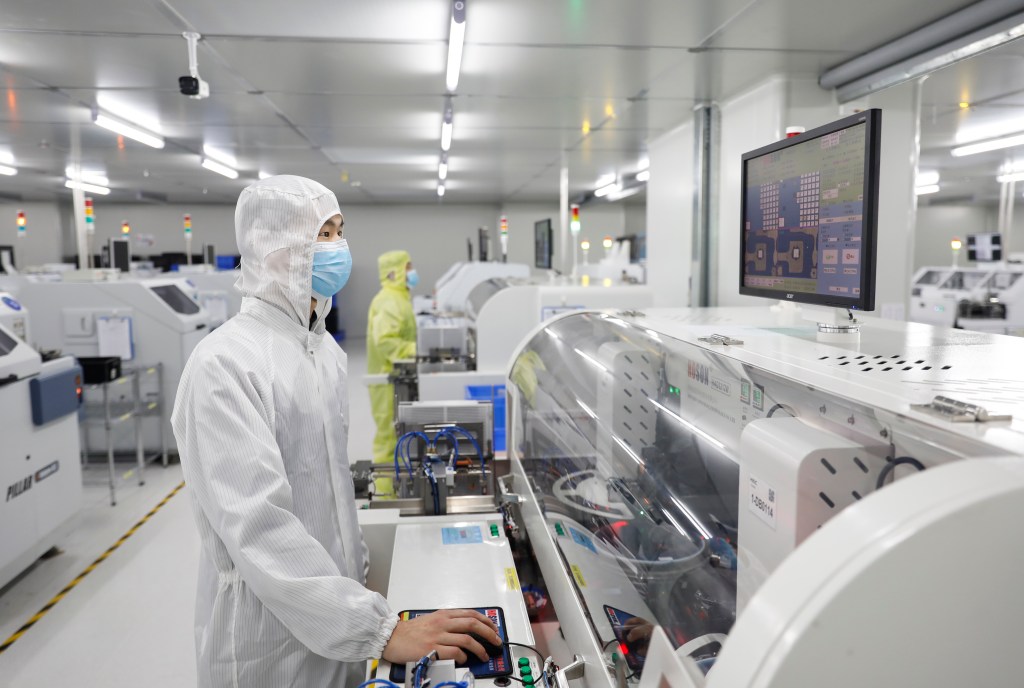
Rival Huawei Technologies and Cambricon Technologies are now poised to seize ground. Cambricon's stock soared 20% on Friday, fueling a rally among domestic chipmakers.
STAY UP TO DATE WITH THE LATEST NEWS BY SUBSCRIBING TO MORNING REPORT NEWSLETTER
The timing couldn't be worse for Nvidia, which already wrote off $5.5 billion in H20 inventory after the Trump administration initially banned the product.
In recent weeks, Chinese regulators have warned companies against using American chips, citing alleged security risks. Jensen Huang, CEO of Nvidia, was caught off guard by the move, and insisted that the H20 contains no backdoors.
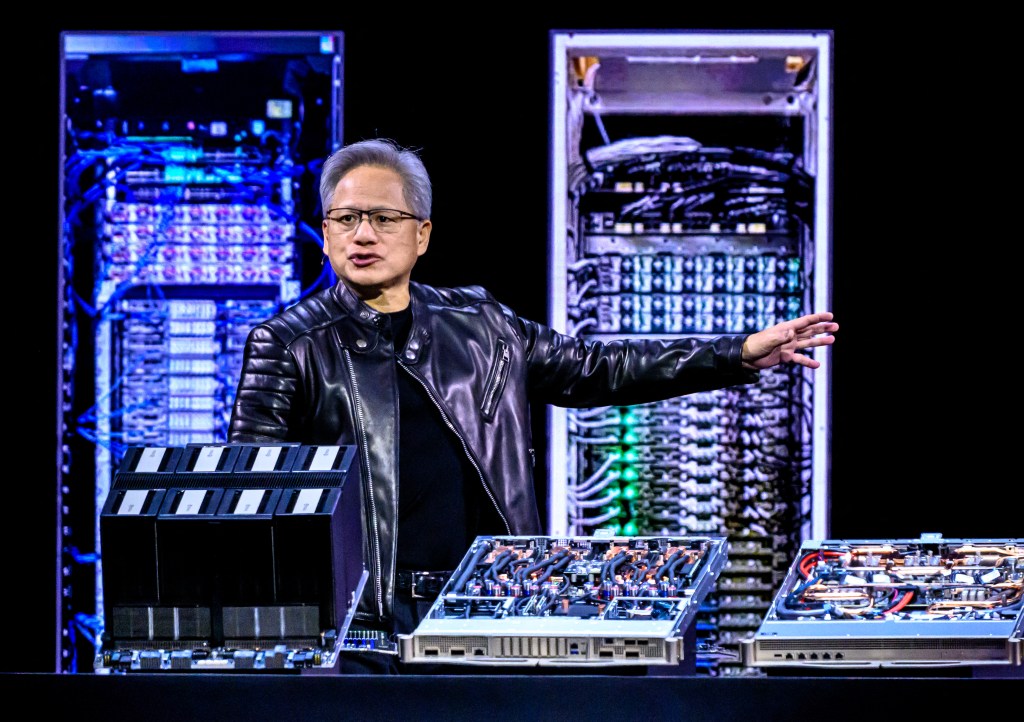
"We're in dialogue with them but it's too soon to know," he told reporters during an impromptu airport briefing in Taiwan, where he was meeting with TSMC about his upcoming Rubin chip.
Both Nvidia and rival AMD recently received approval from Washington to resume limited AI chip sales to China under controversial terms requiring them to hand over 15% of related revenue to the US government.
But Beijing is accelerating efforts to wean itself off American technology.
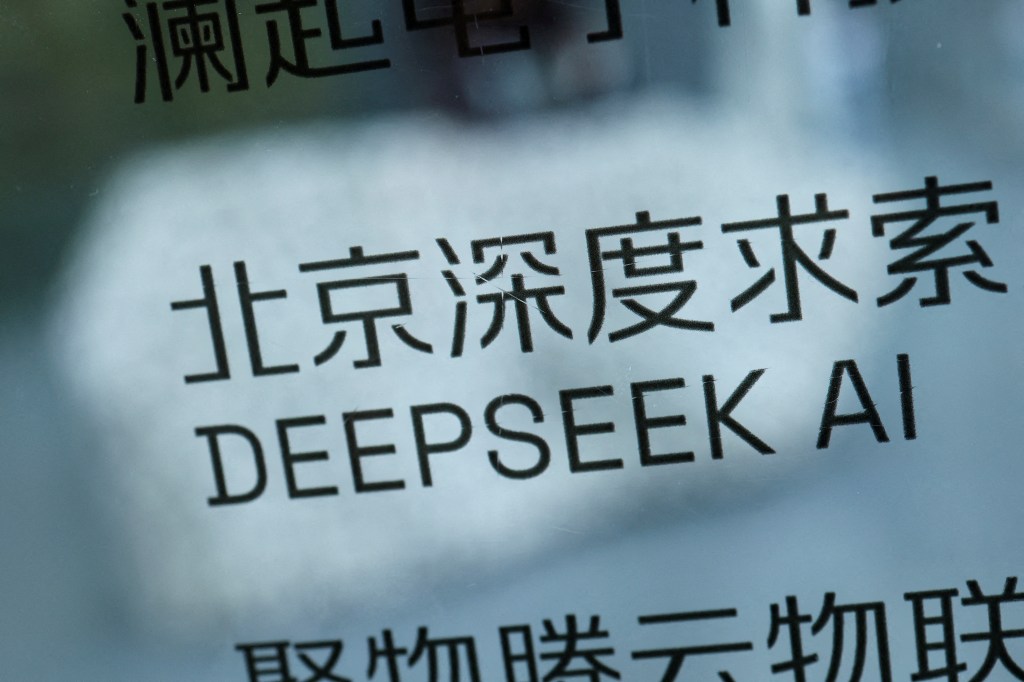
That push gained momentum on Thursday when Chinese AI sensation DeepSeek said its latest model was built to run on next-generation domestic chips, although it provided no details.
Meanwhile, semi-finished Nvidia chips are "piling up" at Amkor, The Information reported.
The company acknowledged it still holds large H20 stockpiles but said market conditions remain "highly uncertain."
"We constantly manage our supply chain to address market conditions," a Nvidia spokesperson told Bloomberg, adding that the H20 was designed strictly for commercial use.
As both governments recognize, the H20 is not a military product or for government infrastructure.
Nvidia hopes to launch a successor to the H20, but Huang cautioned that any launch depends on approval from the incoming Trump administration.
"Offering a new product to China for AI data centers - the follow-on to the H20 - that's not our decision to make," he said.
Bloomberg Intelligence analystssaid the halt creates "fresh uncertainty"when Nvidia's China business will recover, although they expect strong US demand to ease the impact.
Nvidia reports earnings next week, giving investors their first detailed look at how rising trade tensions are affecting the world's most valuable chipmaker.
"We constantly manage our supply chain to address market conditions," said an Nvidia spokesperson to The Post.
As both governments recognize, the H20 is not a military product or for government infrastructure. China will not rely on American chips for government operations, just like the U.S. government would not rely on chips from China. However, allowing U.S. chips for beneficial commercial business use is good for everyone.
The Nvidia representative added, "cybersecurity is critically important to us. NVIDIA does not have 'backdoors' in our chips that would give anyone a remote way to access or control them. The market can use the H20 with confidence."
The Post has sought comment from Samsung, Amkor, TSMC, Huawei, Cambricon, DeepSeek and the Chinese government.

0 comments:
Ikutan Komentar