Showing posts with label recreation and leisure activities. Show all posts

Saturday, August 23, 2025

The Secret To Beloved Florida Parks? AI Finds The Answer In Your Reviews

Researchers turn 30,000 online reviews into actionable data, revealing what makes green spaces truly great.
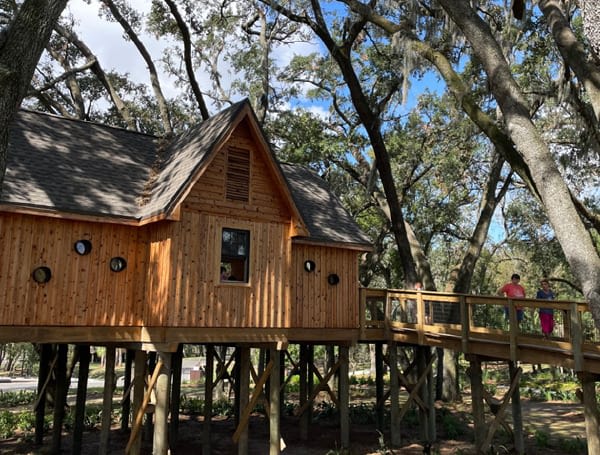
The five-star review you left for a local park might just be the key to designing better green spaces. Thanks to a new study from researchers at the University of Florida, artificial intelligence (AI) has analyzed over 30,000 online park reviews to uncover what people truly value in nature.

Published in the journal Ecosystem Services, the findings reveal that parks with a winning combination of features—more trees, open space, diverse plant and animal life, and water features—are the ones people love most.

READ: Escape The Ordinary: Discover Florida’s Best Staycation Gems

Led by doctoral student Haojie Cao and associate professor Jiangxiao Qiu at the UF/IFAS Fort Lauderdale Research and Education Center (FLREC), the team used machine learning to sift through Google Maps and TripAdvisor reviews for parks, gardens, and greenways across Broward County. Their AI model identified 11 types of "cultural ecosystem services"—the nonmaterial benefits people get from nature, such as beauty, recreation, inspiration, and relaxation.

Decoding the Urban Experience

The study found that these benefits rarely exist in isolation. For example, a single park trail can simultaneously provide opportunities for jogging, quiet reflection, and birdwatching. This "bundling" of experiences, the researchers say, is what makes a park truly valuable.

"By applying AI to countless online reviews, we can now measure these cultural values and understand how park design and planning can be optimized for public wellbeing," said Haojie Cao.

For Broward County, one of Florida's most urban areas, the study offers a powerful blueprint for creating healthier communities. The research highlighted how certain features, particularly shade, walking paths, and water access, are essential in shaping positive experiences.

READ:Florida Supreme Court Upholds Death Sentence for 1992 Triple Murderer Curtis Windom

"Social media data, empowered by AI, could provide a valuable means to understand where and how urban residents benefit most from parks," added Jiangxiao Qiu. He notes that this data is a form of citizen science, as the insights come directly from the public.

This new AI-driven approach is an adaptable roadmap that could be used anywhere, transforming casual online feedback into actionable insights for city planners. The research demonstrates how cutting-edge technology can be used to decode the intangible value of urban nature and build parks that truly serve their communities.

Please make a smalldonation to the Tampa Bay Times to help sustain independent journalism. Your contribution enables us to continue delivering high-quality, local, and national news coverage.

Connect with us:Follow the Tampa Free Press onFacebookandTwitterfor breaking news and updates.

Sign up:Subscribe to our freenewsletterfor a curated selection of top stories delivered straight to your inbox.

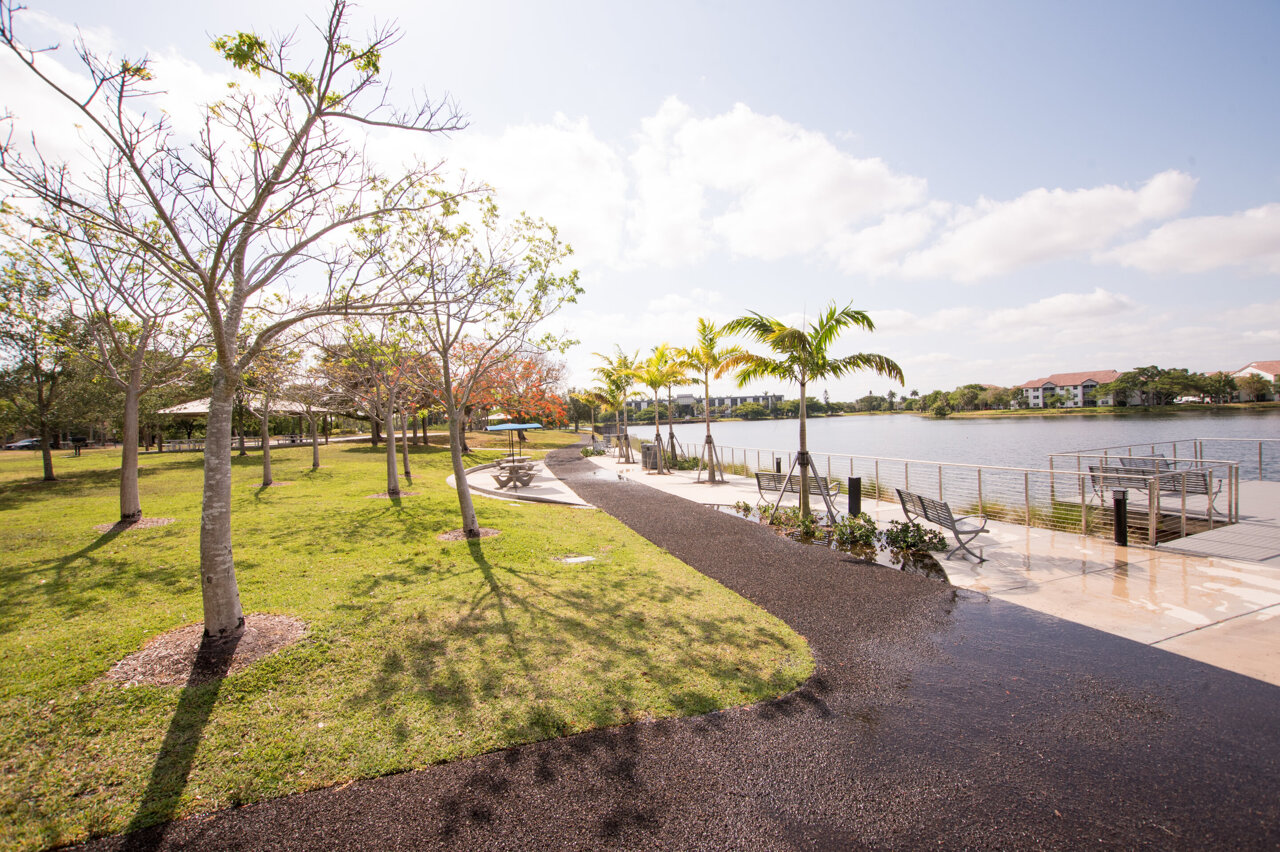
Researchers use AI to turn park reviews into science

Your five-star review of a park may have more weight than you think. Scientists have turned it into data, thanks to artificial intelligence.

Subscribe to ournewsletterfor the latest science and technology news updates.

Researchers at the University of Florida based in Fort Lauderdale used machine learning to analyze more than 30,000 Google Maps and TripAdvisor reviews for parks, gardens and greenways throughout Broward County. Their analysis identified 11 types of "cultural ecosystem services" or nonmaterial benefits provided by nature, such as beauty, recreation, relaxation and inspiration. By using this type of AI, they pinpointed which parks offer the richest mix of these services.

Their findings,publishedin the journalEcosystem Services, show that parks with more trees, more space, diverse plants and wildlife and water features tend to deliver the most value.

AI also revealed that cultural benefits often overlap. For example, a trail popular for jogging might also offer birdwatching, family time and quiet reflection—all bundled together in one green pocket of the city.

"By applying AI to countless online reviews, we can now measure these cultural values and understand how park design and planning can be optimized for public well-being," said Haojie Cao, lead author and a doctoral student at UF/IFAS Fort Lauderdale Research and Education Center, or FLREC.

The study's authors suggest this AI-driven approach could be used anywhere, turning what people are already saying online into actionable insights for building healthier, happier communities.

It's a blend of cutting-edge tech and hometown values, the same kind of algorithms driving innovation in health care and business are now helping decode how people experience and value nature in one of Florida's most urban counties.

For Broward, where nearly 2 million residents share limited open space, researchers found that certain parks offer the greatest boosts to well-being. Features like shade, trees, walking paths and water access emerged as especially important in shaping people's experiences.

"Social media data, empowered by AI, could provide a valuable means to understand where and how urban residents benefit most from parks and track progress toward management and planning efforts to optimize greenspaces that benefit both people and nature," said Jiangxiao Qiu, associate professor of landscape ecology at the UF/IFAS Fort Lauderdale Research and Education Center and the senior author of this work.

In some ways, the results could be considered citizen science data since the observations are right from the source.

Among other study takeaways, the findings revealed that aesthetics, entertainment and physical and experiential offerings are the most reported cultural ecosystem services provided by urban greenspaces. Authors suggest these bundled benefits are opportunities to design and manage parks in ways that enhance the user's experience, adding value to the park for the public.

Ultimately, the research offers an adaptable roadmap - powered by AI and big data - for studying, mapping and understanding the intangible cultural values of urban nature, said Qiu.

These cultural ecosystem services are among the most valuable benefits that urban parks and greenspaces provide to their residents," he said. "As cities grow in size and population, sustainable greenspace planning and management can be informed and empowered by AI and big data to understand where and how to allocate efforts and resources to improve their cultural values and social well-being and to track progress toward these urban policy and intervention goals.

More information:Haojie Cao et al, Spatial patterns and interactions among multiple cultural ecosystem services across urban greenspaces,Ecosystem Services(2025)DOI: 10.1016/j.ecoser.2025.101740

Provided by University of Florida

This story was originally published onThe Shiro Copr.