Showing posts with label anime. Show all posts

Thursday, November 13, 2025

8 Hidden Gem Anime You Haven't Seen

Featured Image

The Hidden Gems of Anime: Underrated Masterpieces Worth Discovering

Anime has a vast and diverse landscape, with countless titles that captivate audiences. While some anime achieve global fame, others remain hidden under the radar, waiting for the right audience to appreciate their brilliance. These underrated anime often possess deep emotional narratives, unique storytelling, and artistic excellence that deserve more recognition.

Ef: A Tale of Memories

Ef: A Tale of Memories is an anime that blends drama and romance into a compelling narrative. It follows two parallel love stories, offering a rich and emotionally resonant experience. Although its art style reflects the aesthetics of the 2000s, it holds its own against modern productions. The visual storytelling is exceptional, and the animation quality rivals that of contemporary anime. Directed by Makoto Shinkai, known for his work on films like Your Name, the anime features a sublime soundtrack that enhances the overall experience. Its sequel, Ef: A Tale of Melodies, further expands on the story, making it a must-watch for fans of heartfelt and intricate narratives.

Yatagarasu: The Raven Does Not Choose Its Master

Yatagarasu is one of the most underrated anime of 2024. Set in a fantasy kingdom called Yamauchi, it explores a world where a race of shapeshifters can transform into three-legged crows. The story revolves around noble families vying for power in a royal court filled with political intrigue and mystery. Despite its supernatural elements, many viewers initially mistook it for a historical drama. Its slow pace may not appeal to everyone, but once the story unfolds, it reveals a captivating narrative filled with complex characters and mind-blowing plot twists. Fans of intricate political dramas will find this anime particularly engaging.

Casshern Sins

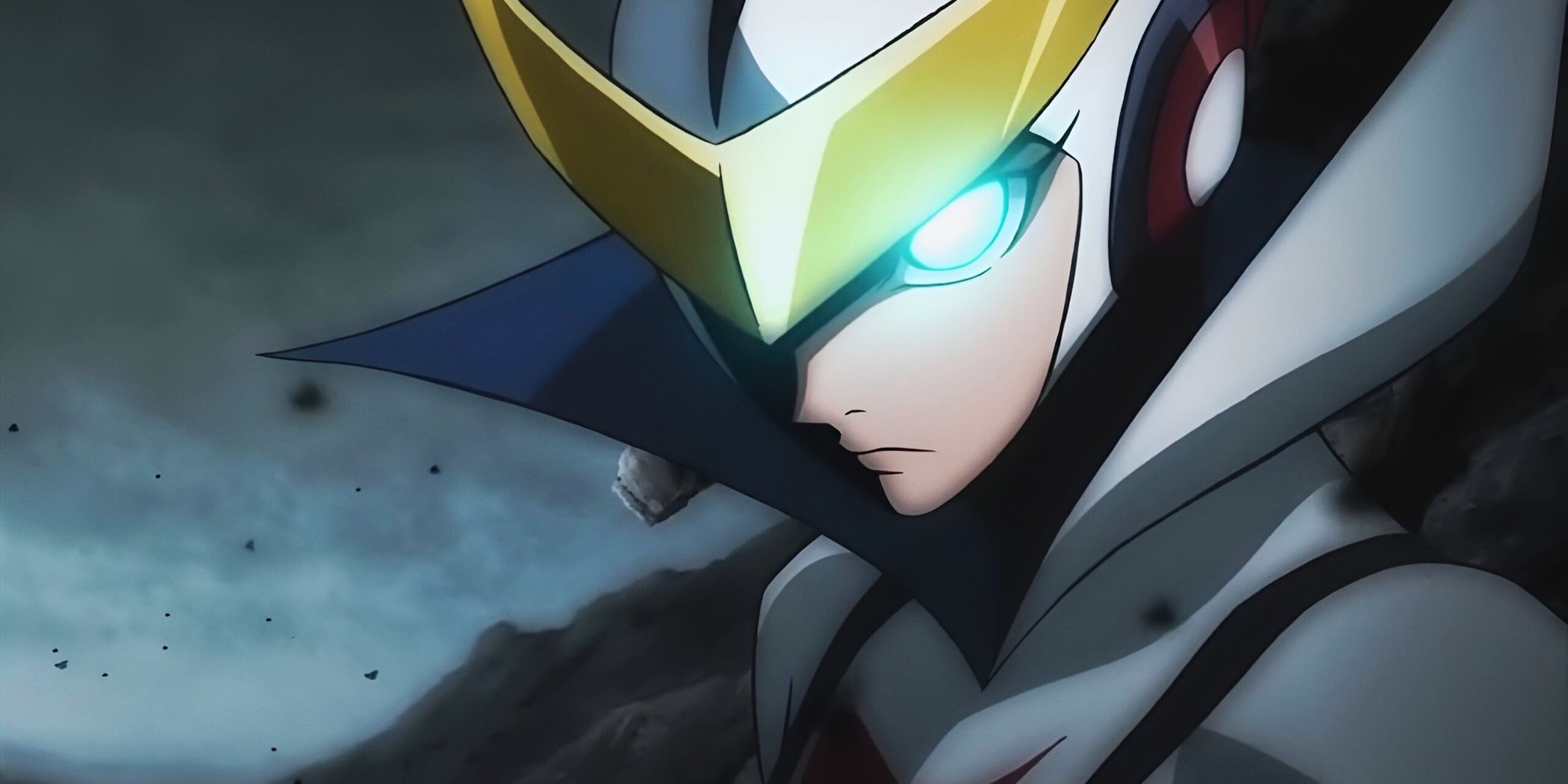
Casshern Sins is a reboot of the classic 1973 anime Neo-Human Casshern. While it retains the original's visual style and character designs, it reimagines the story with a darker, more introspective tone. Set in a post-apocalyptic world, the anime delves into themes of immortality, death, and the human condition. Unlike typical action-driven anime, Casshern Sins focuses on philosophical questions and moral dilemmas. The story follows a young man who is hunted by robots seeking immortality, creating a narrative that is as thought-provoking as it is emotionally powerful.

Bokurano

Bokurano deconstructs the core tenets of traditional anime, presenting a dark and realistic take on the genre. At first glance, it appears to be a simple story about children piloting a giant robot, but it quickly reveals its grim and fatalistic nature. Based on the manga by Mohiro Kitoh, it transforms the concept of a children’s franchise into a deeply unsettling and human story. Despite its outdated 3D animation, Bokurano offers a gripping narrative filled with mysteries and emotional depth. It is a must-watch for fans of dark and deceptive storytelling.

House of Five Leaves

House of Five Leaves is an underrated samurai anime that portrays the less glamorous side of feudal Japan. It follows a ronin named Masanosuke, who joins a group called Five Leaves. The anime presents a realistic depiction of life during this period, highlighting the struggles and hardships faced by individuals. While it lacks the epic sword battles seen in other samurai anime, its complex characters and strong direction make it a compelling watch. The unique visual style and emotional storytelling set it apart from more mainstream titles.

Romeo's Blue Skies

Romeo's Blue Skies is part of the World Masterpiece Theatre catalog, which includes classics like Anne of Green Gables and Heidi, Girl of the Alps. While it gained popularity in Middle Eastern countries, it remains relatively unknown in other regions. Based on a German-Swiss novel, the anime tells the story of Romeo, a boy sold into slavery who seeks to survive as a chimney sweep. With a strong Ghibli influence and a retro aesthetic, it captures the essence of Milan and emphasizes the importance of friendship and teamwork. Its heartwarming and intense moments create a balanced and engaging narrative.

Den-noh Coil

Den-noh Coil is a cult classic from 2007 that explores the intersection of technology and reality. Set in a near-future world where augmented reality glasses are commonplace, the anime presents a unique perspective on the impact of technology on society. It combines elements of comedy, romance, and suspense while posing philosophical and moral questions. The visual style and emotional depth make it a standout title for sci-fi enthusiasts.

Planetes

Planetes is a masterpiece in the science fiction genre, created by the same director behind Vinland Saga. Unlike typical space-themed anime, it avoids giant robots and intergalactic battles, focusing instead on the realistic portrayal of space exploration and human interactions. The anime highlights the growth of its characters and their philosophical views on Earth and space. Its masterful production and attention to detail create a unique and immersive experience that resonates with viewers.

8 Hidden Gem Anime You Haven't Seen

Featured Image

The Hidden Gems of Anime: Underrated Masterpieces Worth Discovering

Anime has a vast and diverse landscape, with countless titles that captivate audiences. While some anime achieve global fame, others remain hidden under the radar, waiting for the right audience to appreciate their brilliance. These underrated anime often possess deep emotional narratives, unique storytelling, and artistic excellence that deserve more recognition.

Ef: A Tale of Memories

Ef: A Tale of Memories is an anime that blends drama and romance into a compelling narrative. It follows two parallel love stories, offering a rich and emotionally resonant experience. Although its art style reflects the aesthetics of the 2000s, it holds its own against modern productions. The visual storytelling is exceptional, and the animation quality rivals that of contemporary anime. Directed by Makoto Shinkai, known for his work on films like Your Name, the anime features a sublime soundtrack that enhances the overall experience. Its sequel, Ef: A Tale of Melodies, further expands on the story, making it a must-watch for fans of heartfelt and intricate narratives.

Yatagarasu: The Raven Does Not Choose Its Master

Yatagarasu is one of the most underrated anime of 2024. Set in a fantasy kingdom called Yamauchi, it explores a world where a race of shapeshifters can transform into three-legged crows. The story revolves around noble families vying for power in a royal court filled with political intrigue and mystery. Despite its supernatural elements, many viewers initially mistook it for a historical drama. Its slow pace may not appeal to everyone, but once the story unfolds, it reveals a captivating narrative filled with complex characters and mind-blowing plot twists. Fans of intricate political dramas will find this anime particularly engaging.

Casshern Sins

Casshern Sins is a reboot of the classic 1973 anime Neo-Human Casshern. While it retains the original's visual style and character designs, it reimagines the story with a darker, more introspective tone. Set in a post-apocalyptic world, the anime delves into themes of immortality, death, and the human condition. Unlike typical action-driven anime, Casshern Sins focuses on philosophical questions and moral dilemmas. The story follows a young man who is hunted by robots seeking immortality, creating a narrative that is as thought-provoking as it is emotionally powerful.

Bokurano

Bokurano deconstructs the core tenets of traditional anime, presenting a dark and realistic take on the genre. At first glance, it appears to be a simple story about children piloting a giant robot, but it quickly reveals its grim and fatalistic nature. Based on the manga by Mohiro Kitoh, it transforms the concept of a children’s franchise into a deeply unsettling and human story. Despite its outdated 3D animation, Bokurano offers a gripping narrative filled with mysteries and emotional depth. It is a must-watch for fans of dark and deceptive storytelling.

House of Five Leaves

House of Five Leaves is an underrated samurai anime that portrays the less glamorous side of feudal Japan. It follows a ronin named Masanosuke, who joins a group called Five Leaves. The anime presents a realistic depiction of life during this period, highlighting the struggles and hardships faced by individuals. While it lacks the epic sword battles seen in other samurai anime, its complex characters and strong direction make it a compelling watch. The unique visual style and emotional storytelling set it apart from more mainstream titles.

Romeo's Blue Skies

Romeo's Blue Skies is part of the World Masterpiece Theatre catalog, which includes classics like Anne of Green Gables and Heidi, Girl of the Alps. While it gained popularity in Middle Eastern countries, it remains relatively unknown in other regions. Based on a German-Swiss novel, the anime tells the story of Romeo, a boy sold into slavery who seeks to survive as a chimney sweep. With a strong Ghibli influence and a retro aesthetic, it captures the essence of Milan and emphasizes the importance of friendship and teamwork. Its heartwarming and intense moments create a balanced and engaging narrative.

Den-noh Coil

Den-noh Coil is a cult classic from 2007 that explores the intersection of technology and reality. Set in a near-future world where augmented reality glasses are commonplace, the anime presents a unique perspective on the impact of technology on society. It combines elements of comedy, romance, and suspense while posing philosophical and moral questions. The visual style and emotional depth make it a standout title for sci-fi enthusiasts.

Planetes

Planetes is a masterpiece in the science fiction genre, created by the same director behind Vinland Saga. Unlike typical space-themed anime, it avoids giant robots and intergalactic battles, focusing instead on the realistic portrayal of space exploration and human interactions. The anime highlights the growth of its characters and their philosophical views on Earth and space. Its masterful production and attention to detail create a unique and immersive experience that resonates with viewers.

Monday, September 15, 2025

This Summer 2025 Anime Is Becoming the Darkest of the 2020s

Featured Image

The Dark World of Gachiakuta

The hit anime Gachiakuta has quickly become one of the standout shows of the 2025 Summer anime season. Even though it's only a few episodes in, it has already carved out a unique space for itself by delivering a narrative that is both gripping and deeply unsettling. Unlike other dark series such as Kaiju No. 8 or Dandadan, which have their own share of intensity, Gachiakuta takes things to another level with its unflinching portrayal of a grim, dystopian world.

What makes Gachiakuta so compelling is not just its dark tone, but also the way it uses its setting as a central character. The world of Gachiakuta isn't just a backdrop—it’s an antagonist in its own right. It reflects the harsh realities of class divides, environmental decay, and systemic injustice. The upper echelon of society lives in pristine, exclusive areas while the lower classes are left to survive in polluted slums surrounded by garbage and the constant threat of monstrous creatures born from waste.

This kind of worldbuilding is rare in anime and gives Gachiakuta a distinct edge. It doesn’t just focus on personal revenge or action-packed battles; it delves into broader societal issues that resonate with real-world concerns. The contrast between the wealthy elite and the struggling masses is stark and unapologetic, making the world feel like a living, breathing entity that actively works against its inhabitants.

A World That Feels Like a Villain

In many dark anime, the darkness comes from the characters themselves—twisted antiheroes, morally ambiguous figures, or individuals dealing with trauma and loss. While Gachiakuta does explore these themes through characters like Rudo, who is driven by a desire for revenge, the true source of the darkness lies in the world itself. This sets it apart from other titles that might focus more on individual struggles than on the larger system that perpetuates suffering.

Rudo’s journey is not just about seeking justice for himself—it’s about challenging an entire world order that has long been built on exploitation and inequality. His battle is not just against monsters or villains, but against the very structure that allows such oppression to exist. This makes his quest more than just a personal vendetta; it becomes a symbolic fight for the freedom of all humanity.

The setting of Gachiakuta is a direct reflection of this struggle. The polluted air, the endless piles of garbage, and the constant presence of trash monsters all serve as reminders of the world’s decay. It’s a place where survival is a daily battle, and where the privileged few hoard resources while the rest are left to suffer. This kind of environment is not just background—it’s a constant force that shapes the lives of everyone within it.

Comparing Gachiakuta to Other Dark Anime

Fans looking for comparisons might find some similarities between Gachiakuta and other dark anime like Jujutsu Kaisen or Fire Force. Both of these series feature powerful heroes battling monstrous threats, but they still operate within a framework that allows for some form of hope or resolution. Gachiakuta, on the other hand, presents a world where the odds are stacked against its characters from the start. There is no easy escape, no safe haven—only a relentless struggle against a system that seems designed to crush those who don’t fit into its vision of order.

This is where Gachiakuta draws more parallels with series like Tokyo Ghoul or One Piece. In Tokyo Ghoul, the world is just as much a source of suffering as the monsters themselves. The same can be said for One Piece, where the oppressive World Government represents a system that keeps the majority of people in a state of subjugation. These series, like Gachiakuta, use their settings to highlight the injustices faced by ordinary people and the power structures that maintain them.

A New Kind of Dark Anime

What makes Gachiakuta stand out is its ability to blend personal storytelling with broader social commentary. It’s not just about Rudo’s revenge or the fight against trash monsters—it’s about the systemic issues that allow such a world to exist. This depth gives the anime a richness that few others can match, making it more than just a dark story. It becomes a reflection of the real-world challenges we face today, from environmental degradation to economic inequality.

As the series continues, it will be interesting to see how Gachiakuta evolves and whether it can solidify its place among the most impactful dark anime of recent years. For now, it’s clear that it has already made a strong impression, offering a fresh take on what it means to tell a dark, meaningful story in the world of anime.

Saturday, August 23, 2025

10 Iconic Anime Series Turning 25 in 2025

Before streaming platforms madeanimeaccessible to the world, and way before social media fandoms hyped upcoming adaptations, the year 2000 became a turning point where anime exploded with creativity, emotion, and ambition. It was a foundational year when fans discovered stories that would stay with them for decades. And now, in 2025, those anime series are hitting their 25-year milestone. Goes without saying, they are still beloved.still rewatched, and still shaping the way we see the medium.

What makes 2000 so iconic is how many of its anime releases became synonymous with the culture. These shows were filling airtime, sure, but they were also defining genres and daring to be visually stimulating. Some introduced memorable characters, others transformed storytelling. Whether you're into gothic horror or sci-fi romance, 2000 had something that scratched the itch. And chances are, it still does.

Here are 10 anime series that debuted in 2000 and continue to entertain and inspire, 25 years later.

Banner of the Stars

Adapted from a series of science fiction novels written by Hiroyuki Morioka,Banner of the StarsIt is set against the backdrop of an interstellar war. It continues the saga of Jinto Linn and Princess Lafiel, heirs to the legacy of Crest of the Stars. They now serve aboard the assault ship Basroil and are thrust into the heart of a conflict between the genetically engineered Abh Empire and the human-led Triple Alliance.

Most Elegant Sci-Fi

In terms of storytelling, this sequel isway better than its predecessor,Crest of the StarsBy refusing to treat war as spectacle, the series becomes a meditation on identity, diplomacy, and the loneliness of being in command. The subdued palette and orchestral score by Katsuhisa Hattori give it a melancholic beauty. Plus, Lafiel and Jinto's dynamic remains one of anime's most compelling partnerships even 25 years later.

Love Hina

InLove Hina, Keitarō Urashima's life is a mess. He fails the University of Tokyo entrance exam twice and is kicked out by his parents, eventually ending up as a manager at his grandmother's old inn, which is now a girls-only dormitory. As Keitarō tries to fulfill a forgotten childhood promise to a girl he vowed to enter Tokyo U with, his life becomes more and more chaotic.

Harem Comedy That Endures

WhenLove Hinapremiered, it rode the harem wave. Ken Akamatsu's manga sold over 20 million copies in Japan and the anime adaptation became a gateway series for international fans in the early 2000s. Its pastel aesthetic, catchy soundtrack, andExaggerated humorwere what shaped the genre. Also, Naru and Keitarō's slow-burning romance resonated with viewers who saw themselves trapped in the awkwardness of young love.

Boogiepop Phantom

Adapted from theBoogiepopLight novel series by Kouhei Kadono, this one takes place a month after a mysterious pillar of light splits the night sky. Strange things happen across a Japanese city, like high school students disappearing, and whispers of Boogiepop, a shinigami-like urban legend, begin to surface. Each episode centers on a different character and explores how their lives intersect with the supernatural forces.

Horror with Timeless Impact

A masterpiece of psychological horror and suspense, this one stunned audiences with its nonlinear narrative structure and striking visual style (courtesy of Madhouse). Often compared toSerial Experiments Lain, it pioneered the subgenre and trusted viewers to piece together its themes of memory and transformation. 25 years later,Boogiepop Phantomis still revered by fans of dark and cerebral anime.

Digimon Adventure 02

The second anime series in theDigimonfranchise,Digimon Adventure 02It is set three years after the original DigiDestined saved both worlds. It introduces a new generation of heroes: Davis, Yolei, and Cody, along with returning veterans T.K. and Kari. When the Digital World is under siege again and a human antagonist starts enslaving Digimon, the team battles to restore balance.

A Beloved Sequel

Digimon Adventure 02expanded theDigimonuniverse with its emotional depth, global scope, and exploration of the ever-evolving relationship between humans and their digital companions. Definitely not as universally acclaimed as its predecessor, and yet, it introduced DNA Digivolution, international DigiDestined, and one of the franchise’s most complex characters in Ken. So, even 25 years after its debut,Digimon Adventure 02is just as iconic.

Ghost Stories

After their mother passes away, siblings Satsuki and Keiichirou Miyanoshita move to her hometown, only to discover that the local school is haunted by spirits their mother once sealed away. The siblings, along with a ragtag group of classmates, beginexorcising evil entities unleashed by urban developments. With each episode, the group's bond becomes stronger.

Still Heavily Quoted and Meme'd

Ghost-busting seems to have an enduring appeal worldwide. A true cult classic,Ghost StoriesIt is a rare anime with its legacy split into two. The original Japanese version is a sincere supernatural drama with eerie music and haunting tone. But its English dub, infamously rewritten by ADV Films, turned it into a parody filled with pop culture jokes, irreverent humor, and fourth-wall breaks. And this unexpected shift is what glued the anime to Western fandoms.

Hamtaro

Hamtaro is not an ordinary hamster. He is a sunflower seed-loving explorer with a curious heart. After moving to a new home with his owner, Laura, Hamtaro discovers a secret world beyond the confines of his cage. He befriends other hamsters, and together, they embark on daily adventures that mirror the emotional ups and downs of their human counterparts.

Cheerful and Oddly Existential

Whether it's building a clubhouse, helping a friend overcome fear, or navigating hamster-sized drama, the series strikes the perfect balance betweenslice-of-life storytellingand whimsical charm. There is a reasonHamtarobecame a global phenomenon. It spawned over 290 episodes, multiple OVAs, and even video games, with merchandise sales reaching billions by the early 2000s. If that's not iconic, what is?

Hajime no Ippo

Ippo Makunouchi is a quiet teenager who spends his days helping his mother run a fishing boat business and being bullied at school. One fateful encounter with pro boxer Mamoru Takamura changes everything. Takamura not only discovers his raw punching power, but also introduces him to the Kamogawa Gym, where Ippo begins his journey into the brutal world of professional boxing.

Quintessential Underdog Story

The First Ippois atrue masterpiece of the sports anime genreAnimated by Madhouse with dynamic fight choreography and heartfelt emotional moments, the series received much praise for its pacing and character development. The manga, which started in 1989, had over 100 million copies in circulation by 2023, making it one of the best-selling sports manga of all time. Even now, fans return to it for the adrenaline, warmth, and humor of its cast.

Inuyasha

Kagome Higurashi's life takes a sharp turn when she is pulled into a well and transported to Sengoku-era Japan. There, she meets Inuyasha, a half-demon sealed to a tree by a priestess named Kikyo. And as it turns out, Kagome is the reincarnation of the same priestess. When a sacred jewel shatters, Kagome and Inuyasha must recover its shards before they fall into the hands of the evil Naraku.

Feudal Fantasy and Timeless Romance

Rumiko Takahashi'sInuyashacombines folklore, romance, and action into a sweeping epic. The feudal fantasy is rich in visuals and backed by a haunting score from Kaoru Wada. Even though it debuted in 2000, the anime was aired in over 30 countries and sold over a million DVDs in English between 2003 and 2004. So, what makesInuyashaSo iconic is not just the story, but the aching humanity beneath the magic, the longing, and the love.

Yu-Gi-Oh! Duel Monsters

InYu-Gi-Oh! Duel Monsters, Yugi Mutou is a shy high school student who solves the ancient Millennium Puzzle and ends up unlocking a powerful spirit known as the Pharaoh. When his grandfather's soul is stolen by Maximillion Pegasus, the creator of the Duel Monsters card game, Yugi enters the Duelist Kingdom tournament to win it back. He must face dangerous opponents, uncover the Pharaoh's lost memories, and battle for control.

Card Battles With High Stakes

Yu-Gi-Oh! Duel MonstersTurned trading cards into pure drama. Its mix of Egyptian mythology, strategic duels, and iconic monsters like Dark Magician and Blue-Eyes White Dragon made its impact on pop culture even greater. The anime ran for 224 episodes and launched a real-world card game that became one of the best-selling TCGs globally. Even now, phrases like "It's time to duel!" evoke nostalgia and entertain fans around the world.

FLCL

Naota Nandaba lives a quiet life until Haruko Haruhara crashes into it, literally, on a Vespa. She hits him with a bass guitar, moves into his house, and opens a portal in his forehead. As Naota cruises through adolescence, he is pulled into Haruko's hunt for Atomsk, a space pirate with godlike powers. Each episode turns Naota's internal struggles outward and becomes crazier.

Confusing But Cathartic

FLCL, as an anime, is short, loud, and raw. It defies convention and pushes the boundaries of what the art form can achieve. Directed by Kazuya Tsurumaki and animated by Gainax and Production I.G., it features frenetic editing, visual gags, and layered narratives.Though only six episodes, it won Best Comedy and Best Short Series at the American Anime Awards in 2007. 25 years later,FLCLIt is like a rite of passage for anime fans.

1 of the Most Underrated Mecha Anime Foreshadowed an Isekai Series Classic

ThemechaAnime genre was once one of the biggest genres in the medium, and over the years, it has played a major role in the development of anime around the world. This saw Super Robot anime and the more militaristic Real Robot anime rule the roost in the 1970s, 1980s, and even part of the 1990s. Ironically, one of the most underrated entries combined elements of these stories with aspects seen in isekai classics.

Panzer World Galientwas the final part of a spiritual "trilogy" of mecha anime, but it was vastly different from its predecessors. Eschewingmilitaristic "Real Robot" storytelling, it was instead a fantasy mecha anime, and easily one of the best examples of this subgenre. In fact, it arguably inspired the world of a notable mecha fantasy isekai anime, despite being much more esoteric in comparison.

Panzer World Galient Is One of the Best — and Most Underrated — Fantasy Mecha of All Time

Airing for 25 episodes between 1984 and 1985,Panzer World Galientis set in the world of Arst, a medieval fantasy setting that would, in most cases, seem like an odd place for mecha action. The protagonist is Prince Jordy Volder, who is one of many who use the powerful and gigantic armors known as Panzers. Using his own armor of Panzers is the evil conqueror Marder, who seeks to control other worlds after taking over Arst. Thankfully, Jordy's panzer, the legendary Galient, is able to take on many of these opponents.

Compared to more realistic mecha likeMobile Suit Gundam,Galientwas a mecha anime in a fantasy world, and the designs reflected this. Galient and other Panzers had regal, almost knight-like designs, all while still clearlylooking like giant robots. There were even centaur-like Panzers, taking the place of knights on horseback. It helps that the animation was especially good, making these designs truly pop. The anime's story also felt analogous to many fantasy tropes, with the protagonist being an adventurous young nobleman seeking to save his land and reclaim his throne. When combined with how popular mecha anime was at the time, this should have all been a recipe for success. Unfortunately, this veritable classic has been almost completely forgotten by all but the most hardcore mecha fans.

While the popularity of the mecha genre should have been an advantage forPanzer World Galient, it also helps to explain why works such asPanzer World Galientnever took off during the heyday of mecha. By 1985, the genre was finally seeing the release ofMobile Suit Zeta Gundam, the first sequel to the original 1979 anime. This release significantly undermined the popularity of other mecha anime, and it didn't help that there had already been so many major new mecha anime by that point. After all, by that time, fans were more than aware of the kinds of tropes they expected from the genre, so it might have been hard to sell a deviation from this path.

Toy sales were not exactly massive whenGalientwas released, especially since there seemed to be a disconnect between the aims of the anime and what the sponsors for its production wanted. This was an era in which sponsors were key to producing anime, and there was already a growing culture around it.model kits for mecha anime. Again, the change in tone and subgenre ofPanzer World Galientmay have added to this, as the military toys of other mecha anime had been very successful. As a result, the production forGalientwas somewhat muddled, and its intended 50-episode run was cut short to 25 episodes. Due to these issues, it somewhat makes sense that the anime went under the radar, and it wasn't brought to the West on physical media until 2024. Nevertheless,GalientHis influence was felt in a later anime that went on to be a much bigger hit.

Panzer World Galient Foreshadowed One of the Best Isekai Ever

The isekai genre was not always so overdone in anime, and it actually saw several entries in the 1980s and 1990s that are now considered classics. In fact, the 1990s featured one ofthe most beloved isekai anime ever made, withThe Vision of Escaflownebeing a beautiful blend of genres. Featuring elements of shojo romance, mecha, fantasy and isekai, it's the quintessential combination of these archetypes and highlights each of their strengths.

The Vision of Escaflownewas inspired byPanzer WorldGalient, with the designs of the latter reflected in howEscaflowneemphasized fantasy elements. Now,Escaflowneis seen as one of the best examples of the isekai genre, showcasing how many of the previous decades' examples of these stories compare to current fare. Today's isekai are often generic in how they utilizefantasy and medieval elements, typically coming off as tired parodies of old tropes. On the other hand, works such asGalientactually made their fantasy worlds feel alive, and the same goes for Gaea inEscaflowne.

The legacy of mecha isekai lives on, with the past decade seeing the success of another example.Knight's & Magicis an oddly-named anime that perfectly combines a fantasy world with giant robots, and the protagonist is even a reincarnated mecha anime fanboy who uses his knowledge of mechs in this new world. This was likely inspired by the rise of isekai, the renewed interest in fantasy anime and the similar revival of mecha anime. While it's unlikely thatGalientWill see any sort of revival as a major brand, but it has seen a slight reappraisal, with the Blu-ray allowing fans to finally give it the attention and praise that it deserves.