The Evolution of Brain-Computer Interfaces
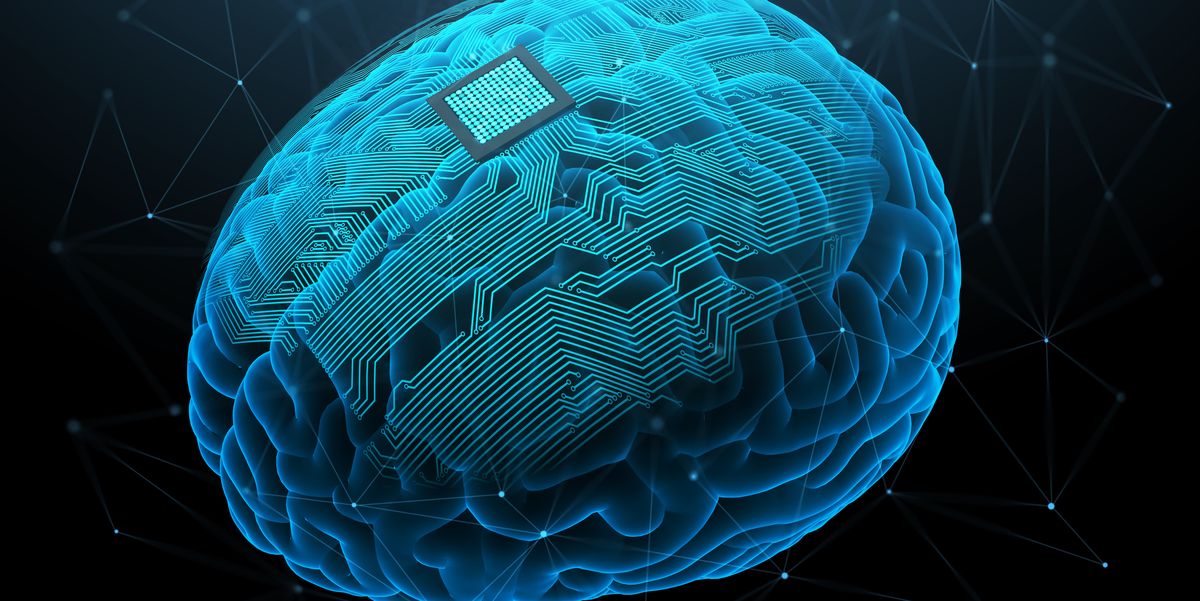
Neurodegenerative diseases and motor disabilities have left many individuals unable to communicate effectively. However, recent advancements in technology offer a promising solution. A developing technique that combines brain-computer interfaces (BCIs) with AI-powered decoders is making strides in helping those who have lost the ability to speak. By interpreting neural activity in the brain’s motor cortex, this technology has the potential to give a voice to the voiceless.
Pioneering Research at Stanford
For several years, the Neural Prosthetics Translational Laboratory at Stanford, led by co-director Frank Willett, has been working on translating what was once considered untranslatable. In 2021, the laboratory unveiled a BCI capable of converting thoughts of attempted handwriting into speech by analyzing neural activity in the motor cortex. Two years later, they achieved a similar breakthrough with a BCI that translated attempted speech. Now, the lab has taken another step forward by focusing directly on the inner monologue, without the need for physical attempts at speech or writing.
The results of this latest development were published in the journal Cell. According to Willett, a co-author on all three studies, the goal was to determine whether a BCI could work based solely on neural activity evoked by imagined speech rather than physical attempts to produce speech.
Testing the System
To translate imagined speech, Willett and his team used four participants from the Brain2Gate trial. This study aimed to develop proof-of-principle for people with tetraplegia to control computer cursors and other assistive devices using their thoughts. The participants had multiple 64-channel microelectrode arrays implanted in their brains for previous trials. At least two of the volunteers, a 68-year-old woman and a 33-year-old man, were diagnosed with ALS and either couldn’t communicate clearly or couldn’t move their muscles at all.
Participants were asked to perform speech attempts or think about simple words. In another test, they heard or silently read the same words. The team mapped phonemes—the building blocks of speech—and used an AI decoder to reconstruct the participants' inner thoughts. The resulting patterns were similar to those of attempted speech signals from a 2023 study but less robust.
Enhancing Privacy and Functionality
The researchers also developed unique in-system code phrases—such as “Orange you glad I didn’t say banana”—to switch the BCI on and off, allowing participants to maintain privacy over their inner monologues.
“We found that we could decode these signals well enough to demonstrate a proof of principle, although still not as well as we could with attempted speech,” Willett said. “This gives us hope that future systems could restore fluent, rapid and comfortable speech to people with paralysis via inner speech alone.”
Challenges and Future Directions
Despite the progress, the system still needs improvement before it can be considered a full-fledged mind-reading tool. With a vocabulary of just 50 words, the BCI produced an error rate as high as 33 percent.
Willett emphasized that implanted BCIs are still in the early stages of research and testing. “Improved hardware will enable more neurons to be recorded and will be fully implantable and wireless, increasing BCIs’ accuracy, reliability and ease of use,” he noted.
Future studies will explore decoding processes beyond the motor cortex, including regions associated with language and hearing. With continued advancements in science, engineering, and a bit of luck, the day may come when voices are restored to those who have lost them due to accidents or neurodegenerative diseases.

0 comments:
Ikutan Komentar