If you have played guitar for more than five minutes, chances are someone has handed you a capo. Right after aGuitar pickand atuner, it is one of the first accessories most of us end up with. And if you're anything like me, you've probably bought (and lost) more guitar capos than you would like to admit. They seem to have a habit of vanishing into the void, only to reappear months later in a guitar case you haven’t used in ages.
At first, you probably used a capo for its most obvious job: shifting songs into a new key so you can sing along without straining your voice. And yes, that is a total lifesaver when you're fumbling through Wonderwall at an open mic. But here's the thing – a capo doesn't just have to be a crutch for your vocal range. With a little creativity, it can completely change the way you approach the guitar.
A simple move up the neck can open up new voicings, textures, and moods you would never get from standard open chords. Some capos allow you to create brand new tunings and can be a secret weapon in the studio. Honestly, some of my favorite riffs and song ideas came from just slapping a capo on and seeing what happens.
So, instead of treating it like that random piece of metal and plastic rattling around yourgig bag, let's look at five fun and creative ways to use the humble capo – and maybe spark a few ideas you didn't see coming.

1. Revoicing your guitar's tone
One of the simplest ways to unlock new sounds from your guitar is by placing a capo high up the neck. Once you get past the 6th or 7th fret, your acoustic starts to take on a whole new personality. In fact, it stops sounding so much like a guitar and starts flirting with banjo or mandolin territory – bright, snappy, and full of treble sparkle.
I have always loved this trick for recording sessions. That thinner, less bass-heavy voice sits perfectly on top of a mix, or lets you carve out space when you're playing alongside other guitarists at a jam. Instead of competing for the same sonic real estate, you're adding a totally different texture.
So next time you want your six-string to sound like it's gone undercover as another instrument, try using a capo way up the neck. It's like discovering you had a secret weapon hiding inside your guitar all along.
Want to know more? Our very own Stuart Ryan walks you through this technique in the video below.
2. Create an alternate tuning
If you want to get creative and breathe new life into your guitar,Alternate tuningsare a fantastic way to do it. These days, there are capo products on the market that let you experiment with alternate tunings, heck, even invent your own, without touching a single tuning peg.
Take theCreative Tunings Universal Spider Capo, for example. With its six individually rotating teeth, you can choose which strings are fretted and which are left open. Sure, it only covers one fret, but you can create some surprisingly complex intervals and have a blast creating tunings that would normally put your strings at risk.
And the Spider is just one option in a whole world of partial capos designed to target specific strings. Don't just take my word for it, players like Joni Mitchell, Rodrigo y Gabriela, and John Mayer have all used partial capos to great effect in their music. The opportunities here are exciting and endlessly inspiring.
3. Bass drone by leaving the 6th string open
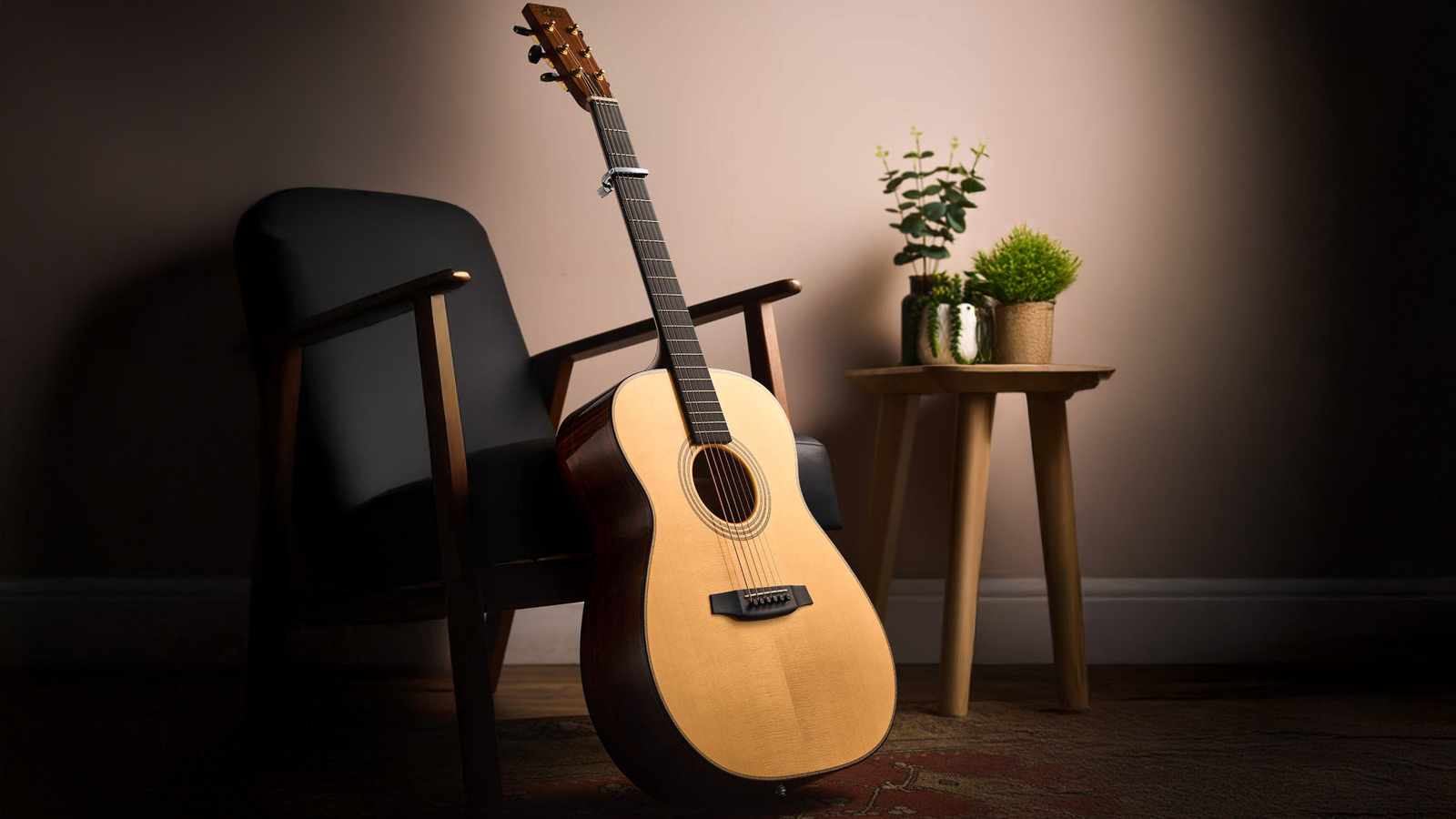
This one is a personal favorite of mine. Some people call it a "bass drop." By placing the capo upside down and leaving the low E string open, you create a bass note that acts like a drone whenever you hit it.
Of course, this only works if your low E is in the same key as the song, but you can always retune that string to match. It might take some trial and error to find the right tuning for the vibe you want, but honestly, that's part of the fun. Try leaving the bass string out until the second verse. When it comes in, it can hit hard and add a lot of weight. It's a great trick for singer-songwriters looking to layer their performances and keep things dynamically interesting.
4. Sharpen your fingerpicking
I've always found that fingerpicking with a capo feels a bit more natural. Part of it comes down to your left hand; those shorter stretches make things easier. But it's also the tone: putting a capo higher up the neck brings out extra treble and attack, which gives your fingerpicked parts a sweeter, more defined sound.
For beginners, especially, this can be a real confidence boost. A capo helps you lock into patterns more comfortably while also opening the door to new textures and tones. It's a simple way to make fingerpicking more enjoyable while sharpening your skills at the same time.
5. Use a capo as onboard storage
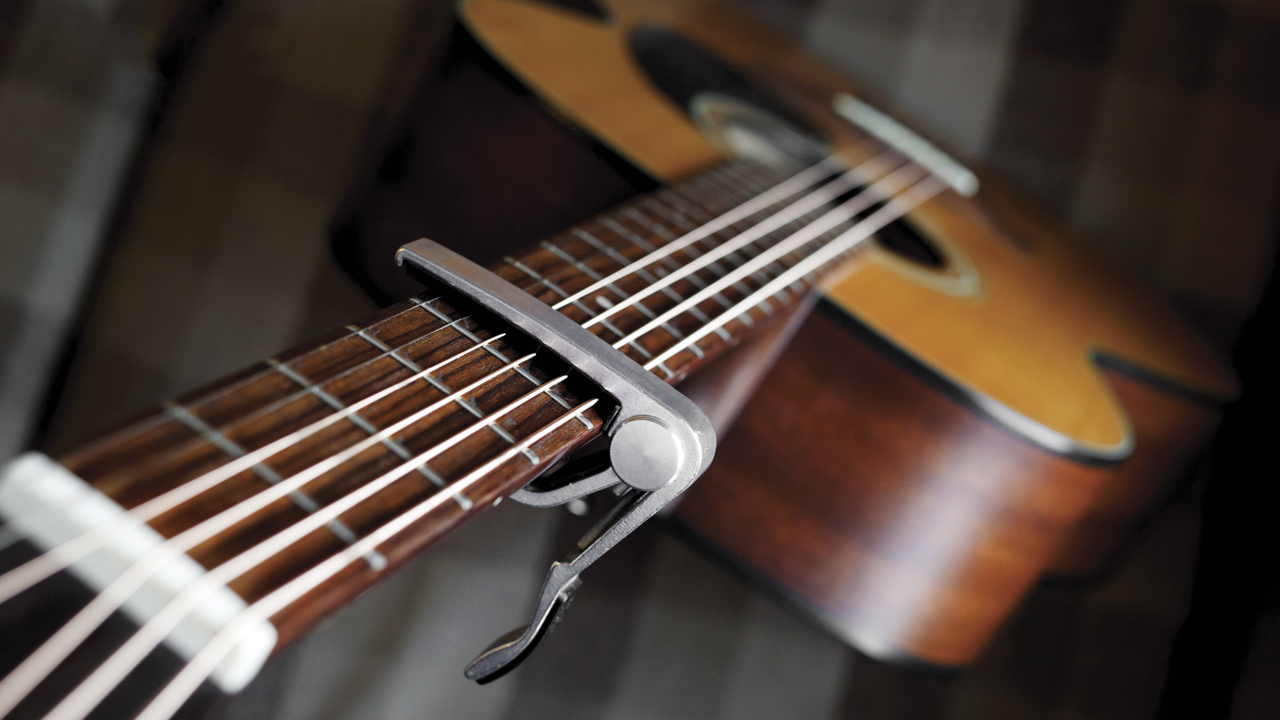
Okay, hear me out, this one is a little tongue-in-cheek, but it really works. Some guitarists have been known to use their capo as a bit of live "onboard storage." Take something like theKyser x Fender Capo: That scroll-style trigger makes the perfect perch for a slide when you're not using it. No need to risk dropping it on the floor (or worse, stepping on it mid-gig), just stick it on the trigger and carry on.
And it's not just slides. D’Addario even makes a capo with a built-in pick holder, which makes me think other players have had the same bright idea. Practical? Absolutely. Glamorous? Maybe not. But hey, sometimes it's the little hacks that save the day on stage.
My capo recommendations
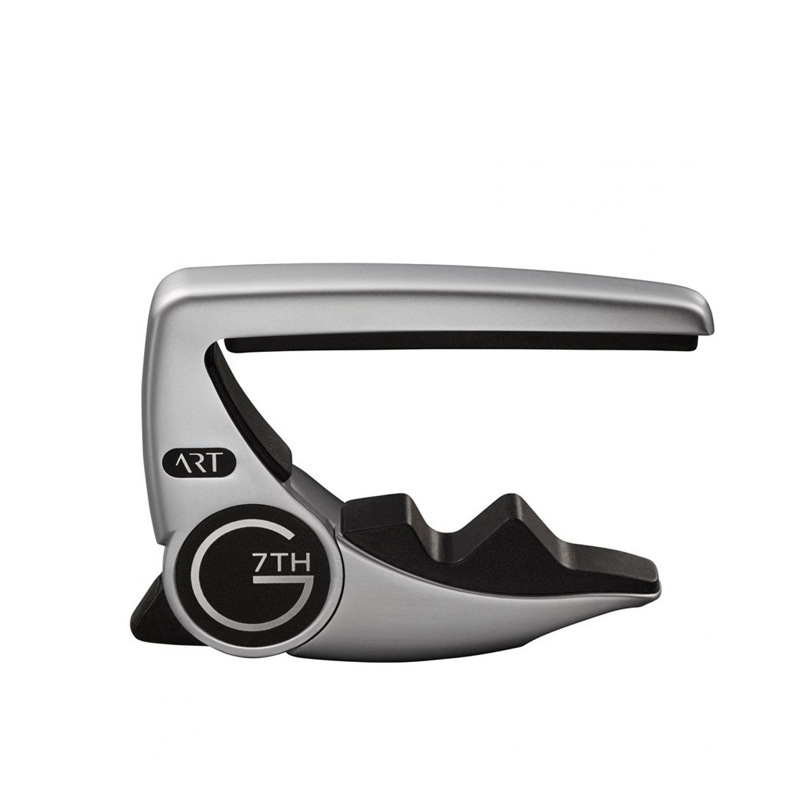
The G7th Performance 3 ART features the company's Adaptive Radius Technology – a system within the top bar that adjusts to the curvature of your guitar's fretboard.
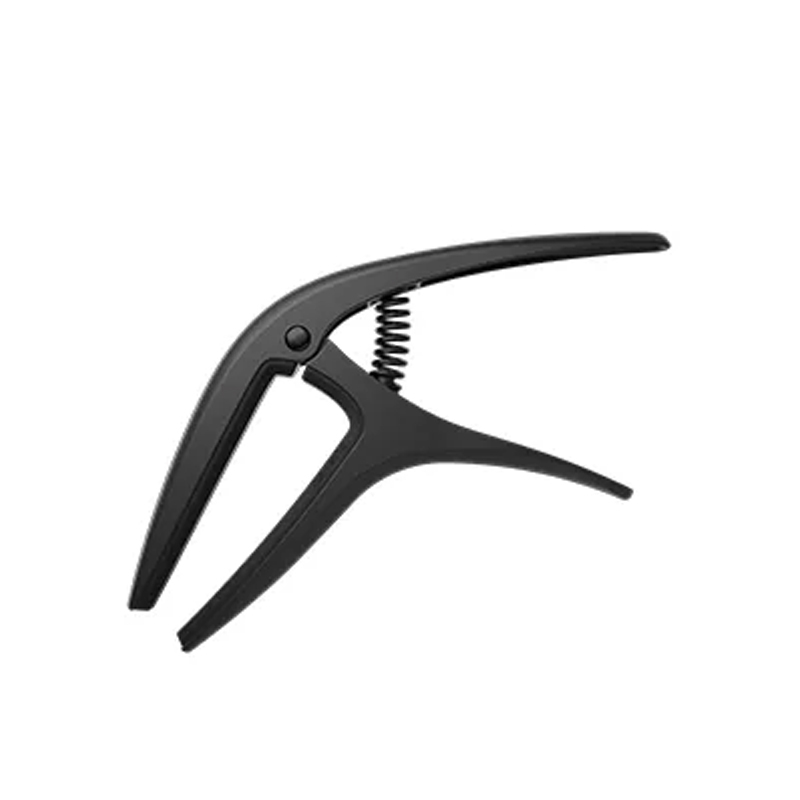
Ernie Ball's tasty-looking Axis capo certainly has curb appeal, but its talents aren't purely skin-deep. Its main strengths are easy, one-handed operation and an affordable price.
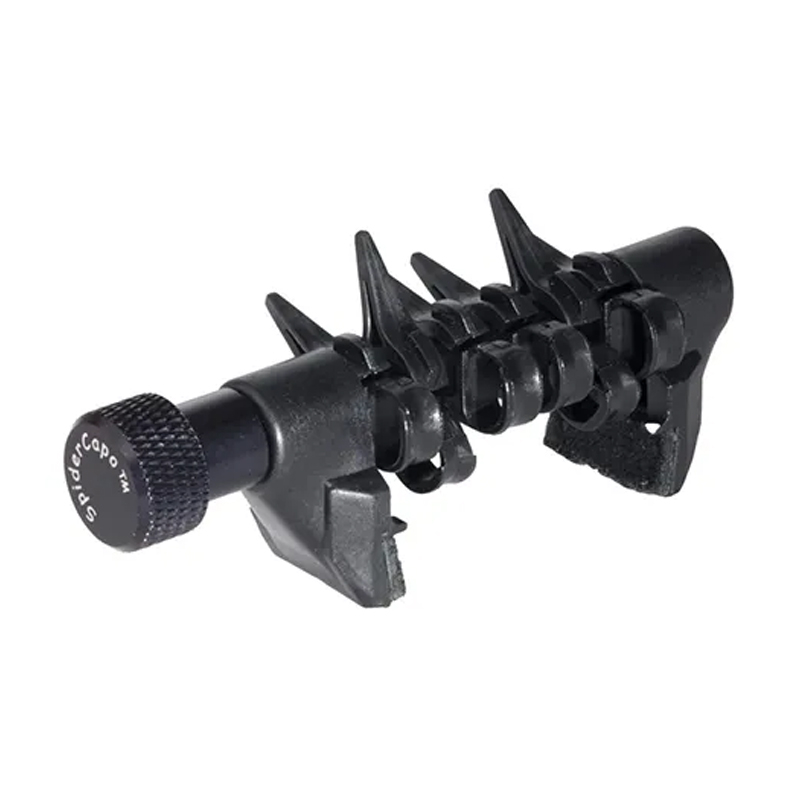
A creative take on a humble device, the SpiderCapo allows you to clamp each string individually, in turn offering up a world of alternate tunings – many that you might not have otherwise tried.
Like this article? For more stories like this, follow us on MSN by clicking the +Follow button at the top of this page.

0 comments:
Ikutan Komentar