Introduction to the Problem of Ghost Number Plates
In an effort to combat a growing issue, law enforcement agencies in the UK are turning to advanced technology to address the widespread use of fake or altered number plates. These so-called "ghost" plates are being used by drivers to evade detection in ultra-low emission (Ulez) zones and low-speed areas. It is estimated that as many as one in 15 motorists may be using these illegal plates, making it a significant challenge for police forces.
The Role of AI-Powered Cameras
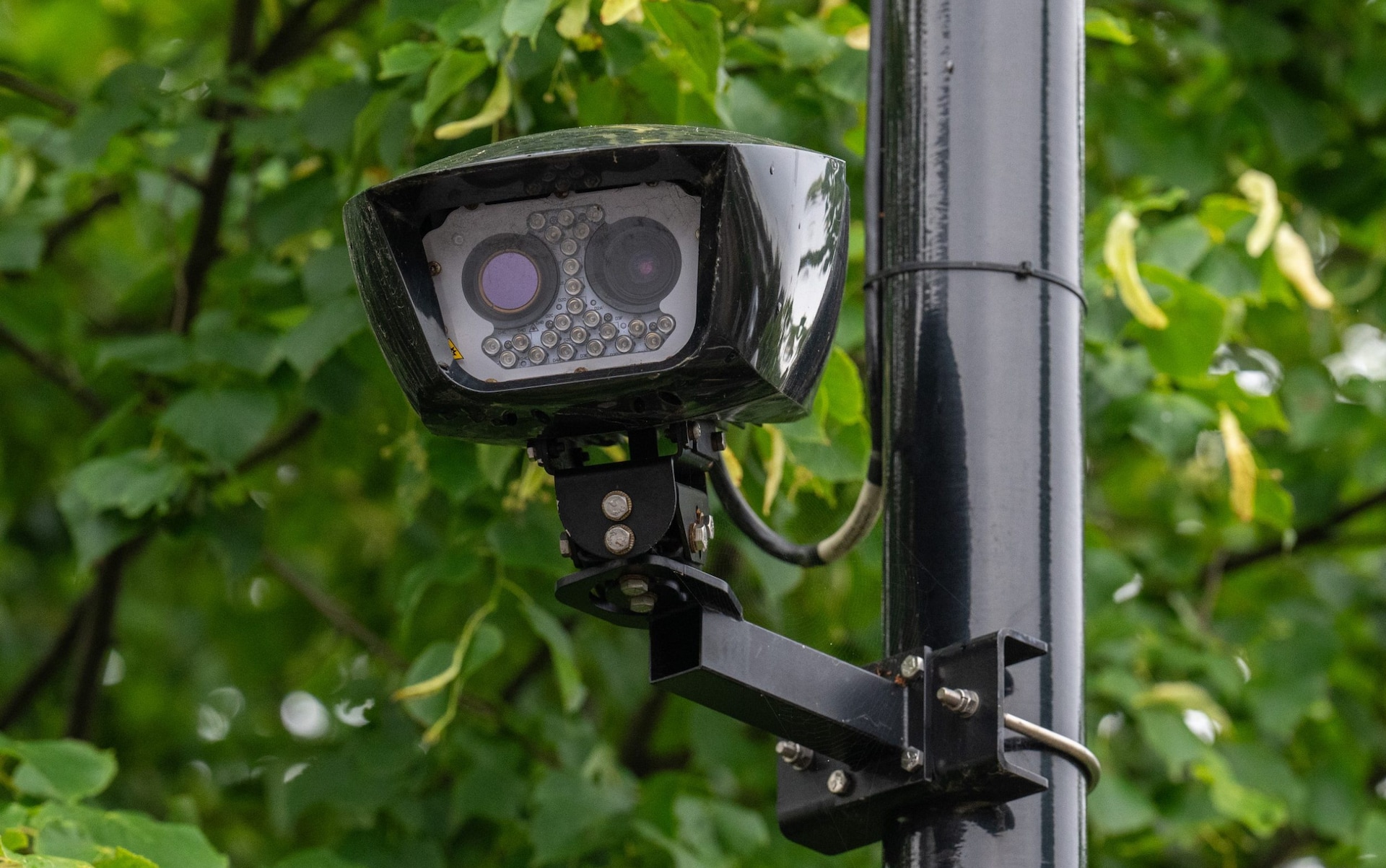
To tackle this problem, West Midlands Police have initiated a pilot program involving AI-powered cameras designed to detect ghost number plates. This innovative approach has already shown promising results. In the first two weeks of the trial, the new technology identified 4,335 instances of ghost plates, involving 2,961 vehicles that would have otherwise gone undetected by traditional automatic number plate recognition (ANPR) systems.
The deployment of this technology not only helps catch drivers who alter their license plates but also enables police to identify those trying to avoid fines for speed limit violations, Ulez infractions, and other restricted zone breaches. Additionally, it aids in tracking criminals who modify their plates to avoid detection during illicit activities.
Methods Used to Defeat ANPR Systems
Drivers and criminals employ various methods to alter or obscure their number plates to avoid detection by ANPR cameras. These include the use of gels, sprays, and reflective "stealth" tape, which can be purchased online for around £80. In June 2023, a police investigation revealed that approximately six percent of cars had some form of ANPR-defeating material on their number plates, suggesting that up to two million motorists could be involved if scaled nationally.
Collaboration with Technology Providers
West Midlands Police have partnered with Redspeed, a company specializing in AI-powered cameras. Their technology is not limited to detecting ghost plates; it can also be adapted to address other motoring offenses such as illegal mobile phone use, high occupancy vehicles, seat belt violations, and misuse of railway crossings.
The technology has been specifically tailored to counteract the use of ghost number plates. Doctored registration numbers can become invisible under the infra-red light used by ANPR cameras to capture images at night, making it essential to develop more advanced detection methods.
Expert Opinions and Reactions
Simon Foster, the West Midlands Police and Crime Commissioner, emphasized the seriousness of the issue, stating that these illegal plates are not just minor offenses but serious criminal enablers. He praised the pilot scheme, known as Operation Phantom, as a potential breakthrough against the rising threat from ghost plates, with the technology possibly being deployed nationwide.
Supt Jack Hadley, head of the road policing unit at West Midlands Police, highlighted the importance of innovation and collaboration in addressing the use of ghost plates. He noted that tackling this issue is crucial for reducing crime and ensuring community safety.
Calls for Stricter Measures
Campaigners have welcomed the initiative but have called for stronger measures from the government. They suggest implementing tougher fines for errant motorists, a certification system for businesses’ number plates to eliminate clones, harsher penalties for those caught cloning plates, and security features within plates to distinguish them from fakes.
Fake number plates can be purchased for as little as £10 from numerous unregulated sellers, while "stealth" tape and other devices to make plates invisible to ANPR infra-red cameras are easily available online.
Tony Porter, former surveillance camera commissioner, warned that weak security requirements for number plate manufacturing pose a direct threat to citizens and national infrastructure. He stressed that ghost plates endanger road safety and undermine the enforcement of various regulations, including Ulez.
Sarah Coombes, Labour MP for West Bromwich, has proposed a bill to Parliament that would allow courts to impose fines of up to £1,000 and six-point penalties for drivers using ghost plates. She emphasized the need to crack down on these drivers who have gone unnoticed for too long.

0 comments:
Ikutan Komentar