Understanding the Privacy Risks of Social Media Apps
A recent study by a leading virtual private network (VPN) provider has revealed that many popular social media apps are collecting more location data than users might expect. This analysis focused on the default location permissions required by the top 10 social media apps available on the Apple App Store. The findings suggest that some platforms, especially those developed by high-profile tech figures, may be gathering more detailed information about users’ whereabouts than necessary.
The research was conducted in August 2025 and highlights how certain apps can track user locations with surprising precision. If you believe your privacy is well-protected, this study might encourage you to reconsider. Even if you use a trusted VPN, some apps may still have access to your exact location through methods beyond IP address masking.
Why Do Social Media Platforms Want Your Location Data?
Smartphones typically record two types of location data: coarse and precise. Coarse data provides a general idea of where a user is, while precise data uses GPS, Bluetooth, and IP addresses to pinpoint an exact location. According to the study, many social media apps rely heavily on this precise data, which can reveal sensitive details about a person’s habits and routines.
Donatas Budvytis, the Chief Technology Officer at Surfshark, explained that precise location data is considered highly sensitive because it can be used to build detailed user profiles. This information could lead to targeted advertising, behavioral predictions, or even manipulation based on personal habits.
While location data can be useful for things like geotagging photos or finding nearby businesses, the study suggests that social networks may be collecting more than they need. For instance, some platforms appear to be using this data to enhance ad targeting or send personalized marketing messages.
Which Apps Collect the Most Location Data?
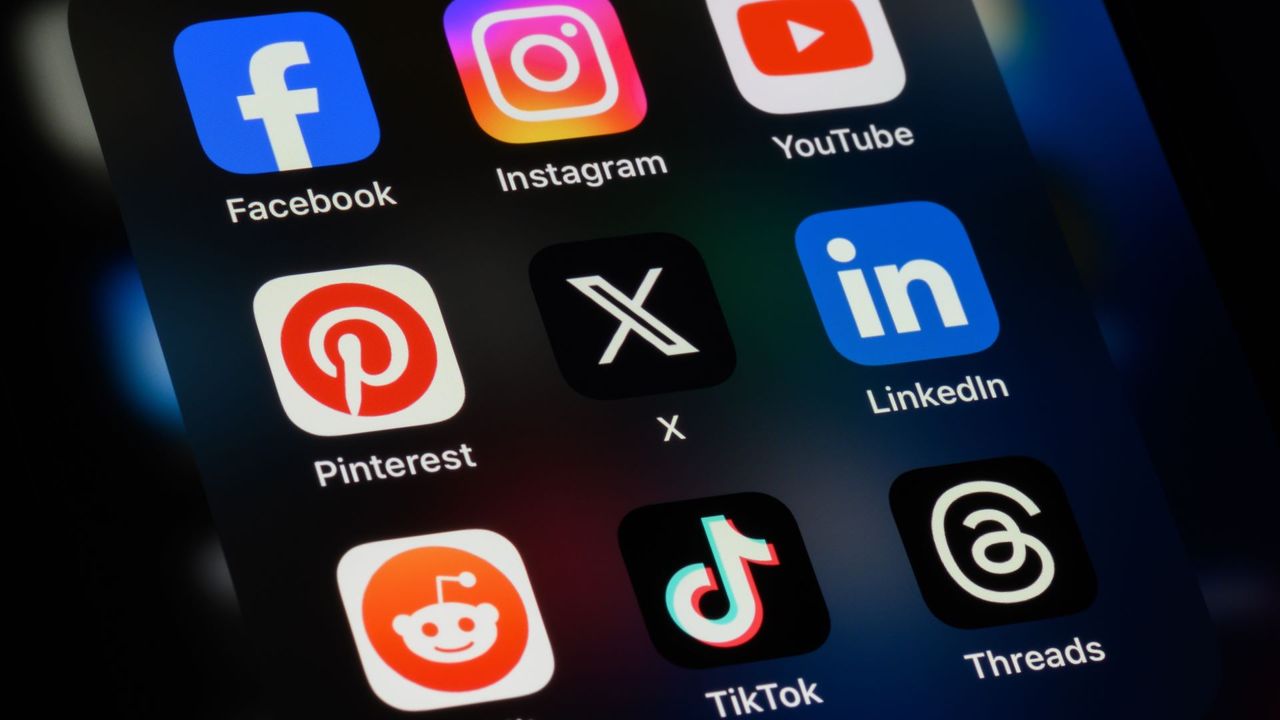
The study found that out of the ten social media apps analyzed, eight collect precise location data. Among these, X stands out as being particularly aggressive in its data collection. Instagram, Threads, Facebook, and Pinterest also require significant amounts of location data. In contrast, Snapchat collects less, and LinkedIn and YouTube require almost none.
This data collection allows social networks to provide more relevant ads to users based on their geographic location. However, there are concerns about how this data is stored and shared. Some platforms, like X and Pinterest, may even use location data to track users, though it's unclear how this information is used or whether it is accessible to third parties.
Can a VPN Prevent Location Tracking?
VPNs are often seen as a tool for enhancing online privacy, but they may not fully protect users from location tracking. A VPN encrypts internet traffic and routes it through a secure server, which can mask a user’s IP address. However, apps that use GPS or proximity to nearby networks—such as Wi-Fi hotspots or cellular towers—can still determine a user’s exact location, regardless of where their IP address appears to be.
For example, a user might have an IP address set to Berlin, but their GPS could show they are in London. In such cases, social media apps can still gather accurate location data. While a VPN is recommended for public Wi-Fi networks, it doesn’t prevent companies like X from recording a user’s physical location.
How to Limit Location Data Collection
Most social media apps offer settings that allow users to control what information is collected. For instance, on X, users can go to Settings > Privacy and Safety > Location Information and disable all three options. By toggling off the "Explore" setting, users can reduce the app’s ability to track their activities.
Other apps likely have similar privacy controls. Users can also choose to disable their phone’s GPS when it’s not needed and review their device’s location services settings. These steps can help limit the amount of location data shared with social media platforms.
Conclusion
As social media continues to evolve, so do the ways in which user data is collected and used. While some location data can enhance user experience, the potential risks of over-collection should not be ignored. By understanding the tools available and adjusting privacy settings, users can take proactive steps to protect their digital footprint.

0 comments:
Ikutan Komentar