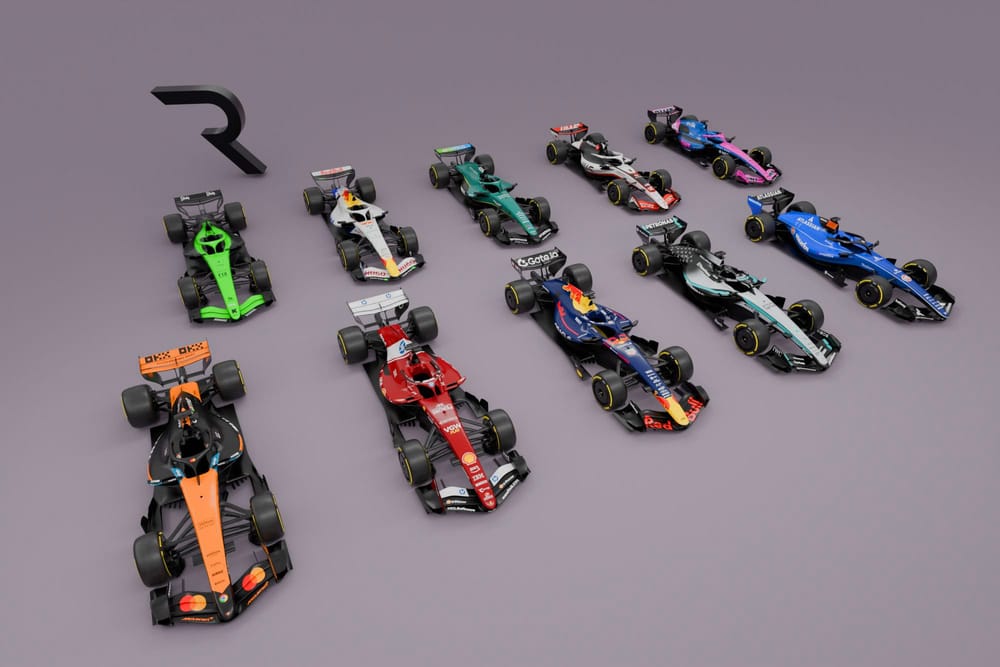
The Evolution of Rear Braking Systems in 2026
As Formula 1 teams gear up for the 2026 season, they are exploring new frontiers in car design. While many aspects of their cars remain under wraps, one area that has sparked considerable interest is the rear braking system. This change comes as a result of the updated power split between the internal combustion engine and battery power, which now stands at roughly 50/50. This shift has led to significant changes in how energy is harvested, influencing the design of braking systems across the grid.
Brembo, the primary supplier of brakes for all Formula 1 teams, has observed some intriguing developments. According to Andrea Algeri, Brembo's F1 customer manager, teams are taking vastly different approaches to the rear braking system. Some designs are remarkably compact, while others may be too small to function effectively. This divergence highlights the challenges and opportunities that come with rethinking traditional braking methods.
Extreme Choices and New Challenges
The push towards smaller rear brakes is driven by an increased reliance on energy harvesting. Some teams believe that the energy recovery systems may be sufficient to slow the car without the need for conventional braking. This has led to extreme choices in terms of disc dimensions, with some teams opting for significantly smaller discs compared to current models.
While regulations do not specify a minimum thickness for the rear brake discs, there are clear guidelines regarding maximum thickness and minimum diameters. However, teams cannot completely eliminate braking, as there is a requirement for a minimum torque output from the braking system. This means that even with the focus on energy recovery, braking will still play a critical role in vehicle performance.
Algeri notes that the nature of braking will likely be entirely different across the grid next year. Teams will have to adapt to scenarios where brakes are used minimally in certain corners, while being heavily stressed in others. This variability demands careful consideration of brake materials that can handle extreme conditions when needed, yet remain effective even when cold.
Adapting to New Demands
To address these challenges, Brembo is drawing on its experience from Formula E, where energy recovery plays a significant role. This knowledge is helping them develop materials that can perform under varying conditions. However, there are differences in the simulations and ideas received from teams, making the situation even more complex.
Track types will also influence the performance of braking systems. Circuits like Singapore, known for their slow sections, may allow teams to rely more on brakes, while tracks like Silverstone, where throttle control is more prevalent, could present unique challenges. This variation means that Brembo must prepare for a wide range of scenarios, ensuring that their systems can adapt to different conditions.
The Weight Factor
Another crucial factor influencing brake design is weight. Teams are keenly aware of the importance of keeping the car as light as possible, especially given the 772kg weight limit. Larger brakes would add unnecessary mass, which could impact overall performance. As a result, many teams are adopting a cautious approach, balancing the need for effective braking with the desire to minimize weight.
While the regulations allow for larger brake components, teams are mindful of the trade-offs involved. The difference in weight between using the maximum allowed size and sticking with current configurations could be significant. Every kilogram matters, and teams are looking for ways to optimize their designs without compromising performance.
In summary, the evolution of rear braking systems in 2026 presents both challenges and opportunities for Formula 1 teams. As they navigate this new landscape, the focus will be on innovation, adaptation, and finding the right balance between performance and efficiency.

0 comments:
Ikutan Komentar