The Rise of China's Electric Vehicle Industry
Uber CEO Dara Khosrowshahi has praised the electric vehicle (EV) industry in China, calling its models "unbelievable." His comments highlight the rapid advancements and innovation happening within the Chinese EV market. According to Khosrowshahi, these vehicles are outpacing those from other global markets due to intense local competition.
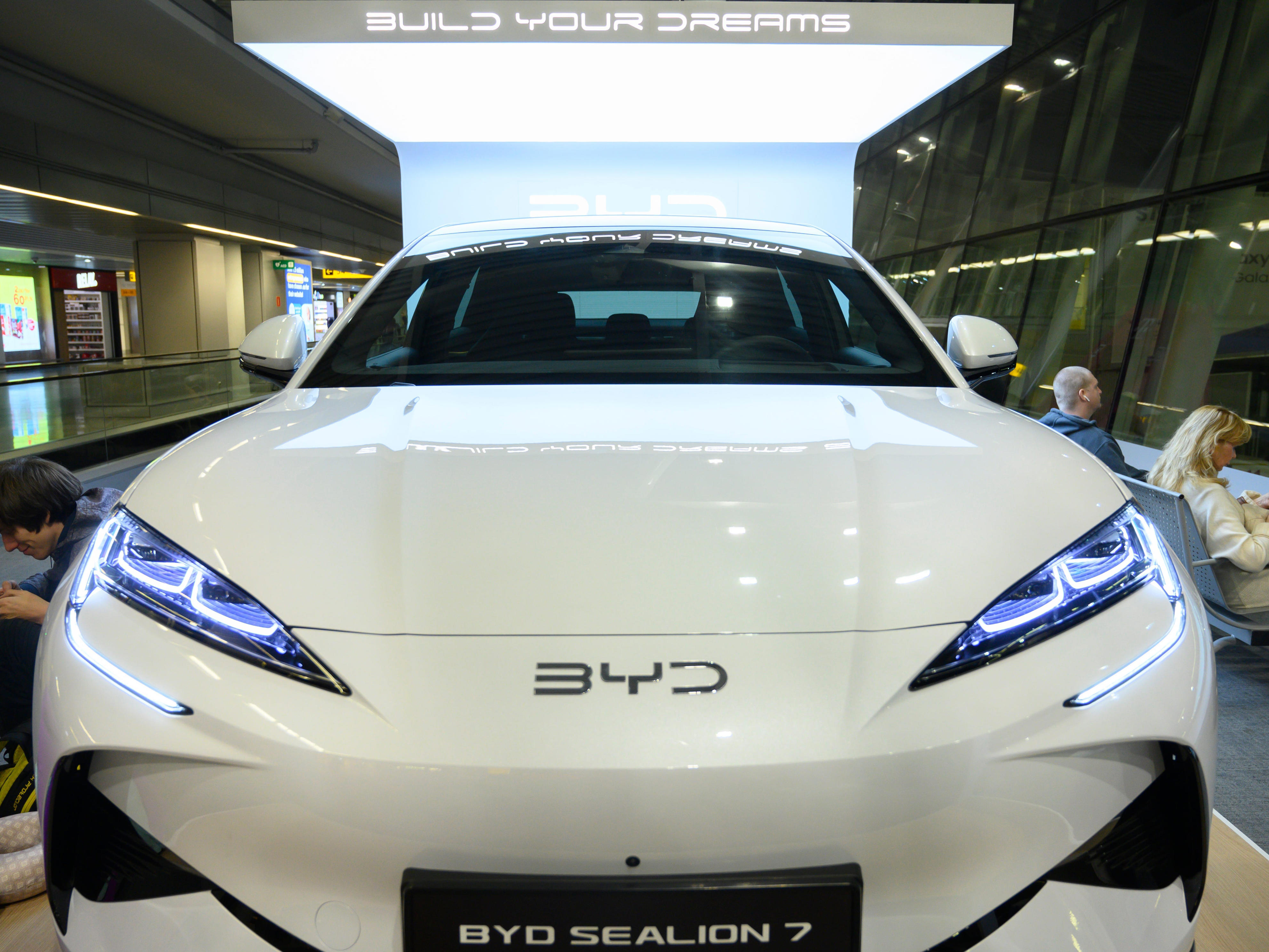
China's automakers have become significant players on the world stage, with companies like BYD leading the charge. This dominance is not accidental but rather a result of strategic government policies and a highly competitive environment. Khosrowshahi emphasized that every major city or province in China wants its own EV company to succeed, creating a dynamic where over 100 original equipment manufacturers (OEMs) are vying for market share.
The phrase "iron sharpens iron" seems to perfectly capture the essence of China's EV industry. With such fierce competition, only the most innovative and efficient companies can thrive. Khosrowshahi noted that this competition is driven by a top-down strategy set by the government, but the winners are determined by their ability to succeed in a brutal, competitive environment.
This system has led to what Khosrowshahi calls "the best of both worlds." On one hand, there is industrial policy that supports the growth of the EV sector. On the other hand, the success of companies like Geely and BYD is based on their ability to survive and innovate in a challenging market. He described this as a form of "survival of the fittest," where only the strongest companies emerge victorious.
Khosrowshahi also highlighted the extraordinary speed of development and innovation in China's EV industry. He mentioned that the level of innovation coming from Chinese OEMs and EV businesses is something he has never seen before. This sentiment was echoed by Ford CEO Jim Farley, who stated that Chinese EV models' in-vehicle technology, cost, and quality were "far superior" to those in the West.
Impact on Global Automakers
The rise of Chinese EV manufacturers has put pressure on American companies like Tesla and Ford. As China continues to dominate the global EV market, Western automakers are facing increasing challenges in maintaining their competitive edge. This shift in power dynamics is reshaping the automotive industry and prompting a reevaluation of strategies by companies around the world.
In addition to the competitive landscape, the Chinese government's role in supporting the EV industry cannot be overlooked. Through various policies and incentives, the government has fostered an environment conducive to innovation and growth. This support, combined with the fierce competition among domestic manufacturers, has created a unique ecosystem that is driving the EV revolution.
Uber's Role in the EV Transition
Under Khosrowshahi's leadership, Uber has taken steps to encourage its drivers to embrace EVs as part of the company's sustainability efforts. In July, Uber invested $300 million into Lucid, an automotive company that produces the Gravity EV. These vehicles will be used as Uber's robotaxis, marking a significant move towards autonomous and electric transportation.
Uber's commitment to EVs extends beyond just investing in the technology. The company has also partnered with Waymo, Alphabet's robotaxi service, since 2023. This partnership came after Uber sold its own autonomous vehicle division three years earlier. Riders in Phoenix were the first to access Waymo Driver through Uber's platform, and the service has since expanded to Austin and Atlanta.
Waymo recently received permission to start testing its self-driving vehicles in New York City, signaling further expansion of autonomous technology. This collaboration between Uber and Waymo highlights the growing importance of EVs and autonomous vehicles in the future of transportation.
As the EV market continues to evolve, the influence of Chinese automakers is becoming increasingly evident. Their ability to innovate quickly and compete globally is setting new standards for the industry. With continued investment and support, the future of transportation looks more electric and autonomous than ever before.

0 comments:
Ikutan Komentar