The Evolution of Google Password Manager
When it comes to password management, many people tend to overlook the options available in their preferred platforms. However, it's not surprising that Google's password manager hasn't made the cut for top recommendations. While it isn't inherently bad at its job, it has often been a source of frustration for users due to its cumbersome interface.
The primary issue with Google's password manager has always been its placement within the labyrinth of menus across various Google services. On Android, accessing the password manager required navigating through multiple settings and account pages, making it an inconvenient process. This design choice, while understandable from a technical standpoint, led to a poor user experience.
Google initially aimed for a system that could work autonomously, using autofill to enter passwords whenever needed. Over time, they introduced a shortcut option on the Android home screen, but this still required users to dive deep into settings to find it. By that point, many had already given up on using Google's built-in password manager and opted for third-party alternatives.
A New Approach to Password Management
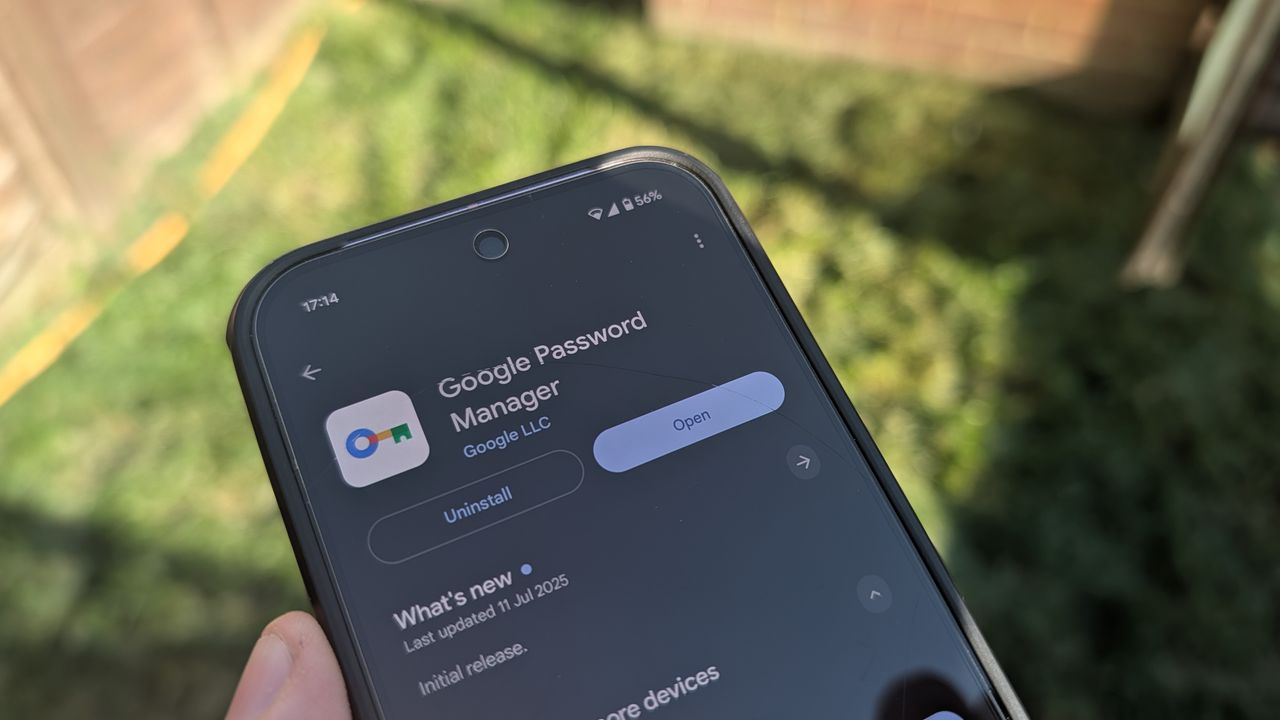
Recently, there have been signs of improvement with the launch of the Pixel 10 and Android 16. One of the most notable changes is the introduction of Google Password Manager as a standalone app on the Play Store. This means users can now download it directly, making it more accessible than before. Although the functionality remains largely the same, the convenience of having it as an app is a step in the right direction.
The shift to a Play Store app also allows Google to enforce a rule requiring Android manufacturers to include the password manager by default. This could significantly increase its adoption rate, especially if users are encouraged to set up complex passwords instead of reusing them across accounts.
However, despite these improvements, the core features of Google Password Manager haven't evolved much. Other free password managers offer additional functionalities beyond just securing login details. For instance, they often provide secure notes, document storage, and contact management—features that are essential for comprehensive security.
Learning from Apple’s Approach
Apple's Password Manager, launched alongside iOS 18, has set a new standard for what a password manager should be. It's not just a tool for storing login credentials; it also includes authenticator codes, Wi-Fi passwords, and alerts about data breaches. This integration into a single, secure location makes it incredibly convenient and user-friendly.
While Apple's solution has its limitations, such as the lack of secure note storage, the fact that everything is centralized and protected by biometric authentication makes it a compelling option. The convenience of having all security-related information in one place encourages users to take advantage of these features, especially since it's free and works seamlessly across all Apple devices.
Google would benefit greatly from adopting a similar approach. Merging its existing features into a single, secure location could enhance user experience and make the password manager more appealing. Additionally, focusing on surpassing Apple's offerings could help Google compete more effectively with dedicated password managers like NordPass.
Conclusion
As the digital landscape continues to evolve, the need for robust and user-friendly password management solutions becomes increasingly important. While Google has taken some steps to improve its password manager, there is still room for growth. By learning from Apple's successful model and incorporating additional features, Google can create a more compelling product that meets the needs of modern users. The sooner this happens, the better it will be for both users and the broader cybersecurity community.

0 comments:
Ikutan Komentar