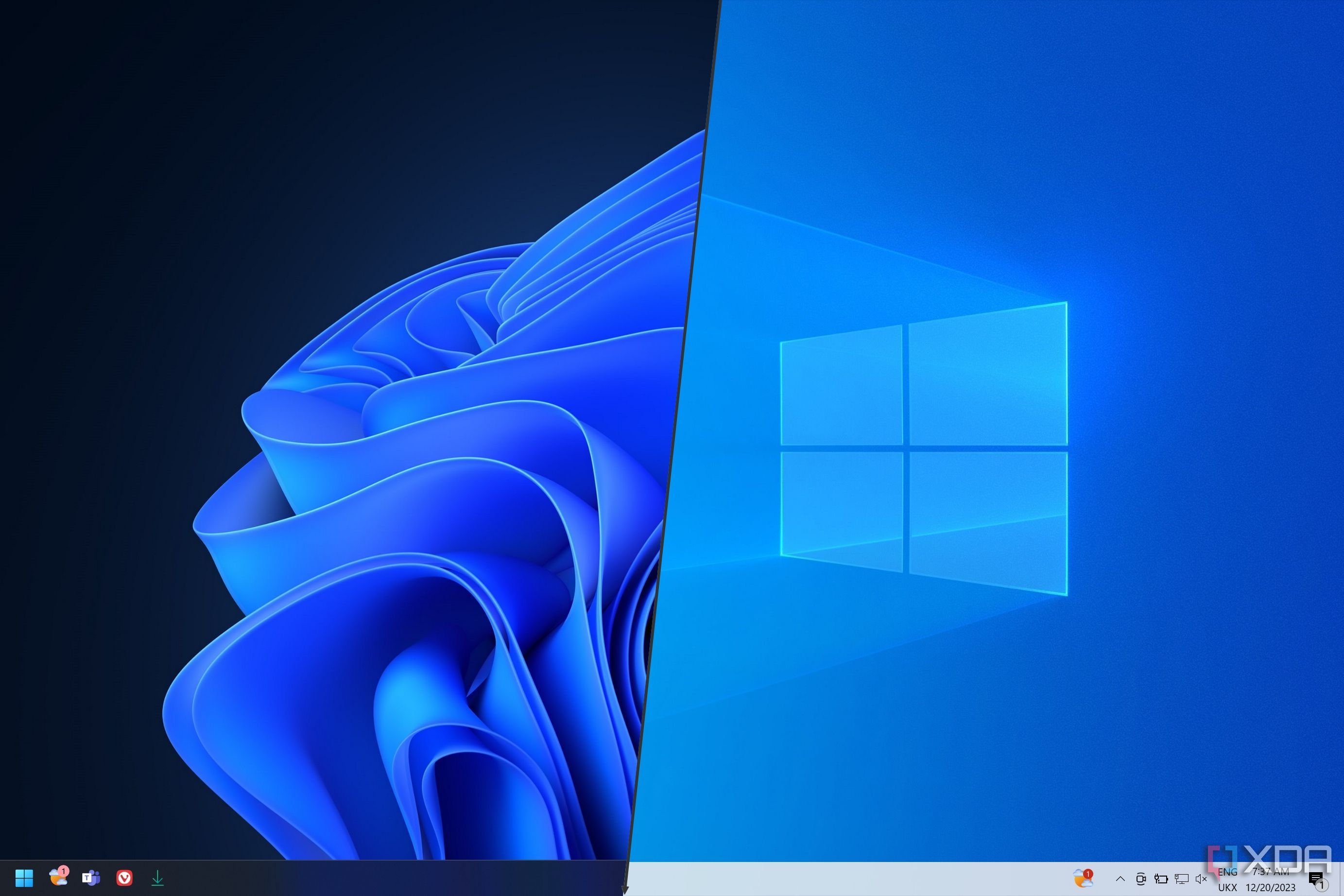
New Windows 10 Update Introduces Persistent Upgrade Prompts for Windows 11
Microsoft has rolled out a new update for Windows 10 that includes a highly visible and unescapable prompt urging users to upgrade to Windows 11. This change is part of the company’s broader strategy to encourage users to transition away from the aging operating system, especially as its support period draws to a close.
The latest Windows 10 August update introduces a full-screen recommendation for upgrading to Windows 11. Unlike previous notifications, which were often subtle or tucked away in settings menus, this update features an inescapable pop-up that blocks user interaction until they either accept the upgrade or choose to defer it temporarily. Even after users confirm they plan to remain on Windows 10, the nag screen continues to appear, suggesting that Microsoft is determined to keep pushing the upgrade message.
Why Is Microsoft Pushing the Upgrade?
With Windows 10's end-of-life date set for October 14, Microsoft is making it clear that support for the operating system will soon be ending. While the company has provided users with an option to extend their support for an additional year, the overall goal remains to transition as many users as possible to Windows 11. This shift aligns with Microsoft’s broader vision for its future operating systems, which include enhanced features like improved AI integration, better performance, and more seamless cloud connectivity.
The persistent upgrade prompts are not entirely new, but they are becoming more aggressive as the deadline approaches. This suggests that Microsoft is ramping up its efforts to ensure that users do not miss the opportunity to upgrade before support ends.
What Are the Options for Windows 10 Users?
For those still using Windows 10, there are several options available:
- Extend Support: Users can pay for extended support, which provides continued security updates and technical assistance beyond the standard support period.
- Switch to Another OS: Some users may prefer to move to a different operating system, such as Linux, which offers a free and open-source alternative.
- Upgrade to Windows 11: For those who want to stay within the Microsoft ecosystem, upgrading to Windows 11 is the most straightforward path forward.
Despite these choices, Microsoft clearly favors the upgrade path. The company has also been promoting its new line of Copilot+ devices, which are designed to take full advantage of Windows 11’s features, further encouraging users to make the switch.
The Impact on Users
The aggressive nature of the upgrade prompts has raised concerns among some users. Many feel that the constant reminders are intrusive and could lead to frustration, especially for those who have no intention of upgrading. However, Microsoft argues that these messages are necessary to inform users about the approaching end of support and the potential risks of continuing to use an unsupported operating system.
In addition to the upgrade prompts, Microsoft has also been rolling out other changes aimed at improving the user experience on Windows 11. These include enhanced productivity tools, improved multitasking features, and better integration with cloud services.
Final Thoughts
As Windows 10 moves closer to its end-of-life, users are being given a final opportunity to decide their next steps. Whether they choose to extend support, switch to another operating system, or upgrade to Windows 11, the decision comes with its own set of considerations. For now, the persistent upgrade prompts serve as a reminder that the time to act is quickly approaching.

0 comments:
Ikutan Komentar