A 3D-Printed Solution to Mini PC Overheating
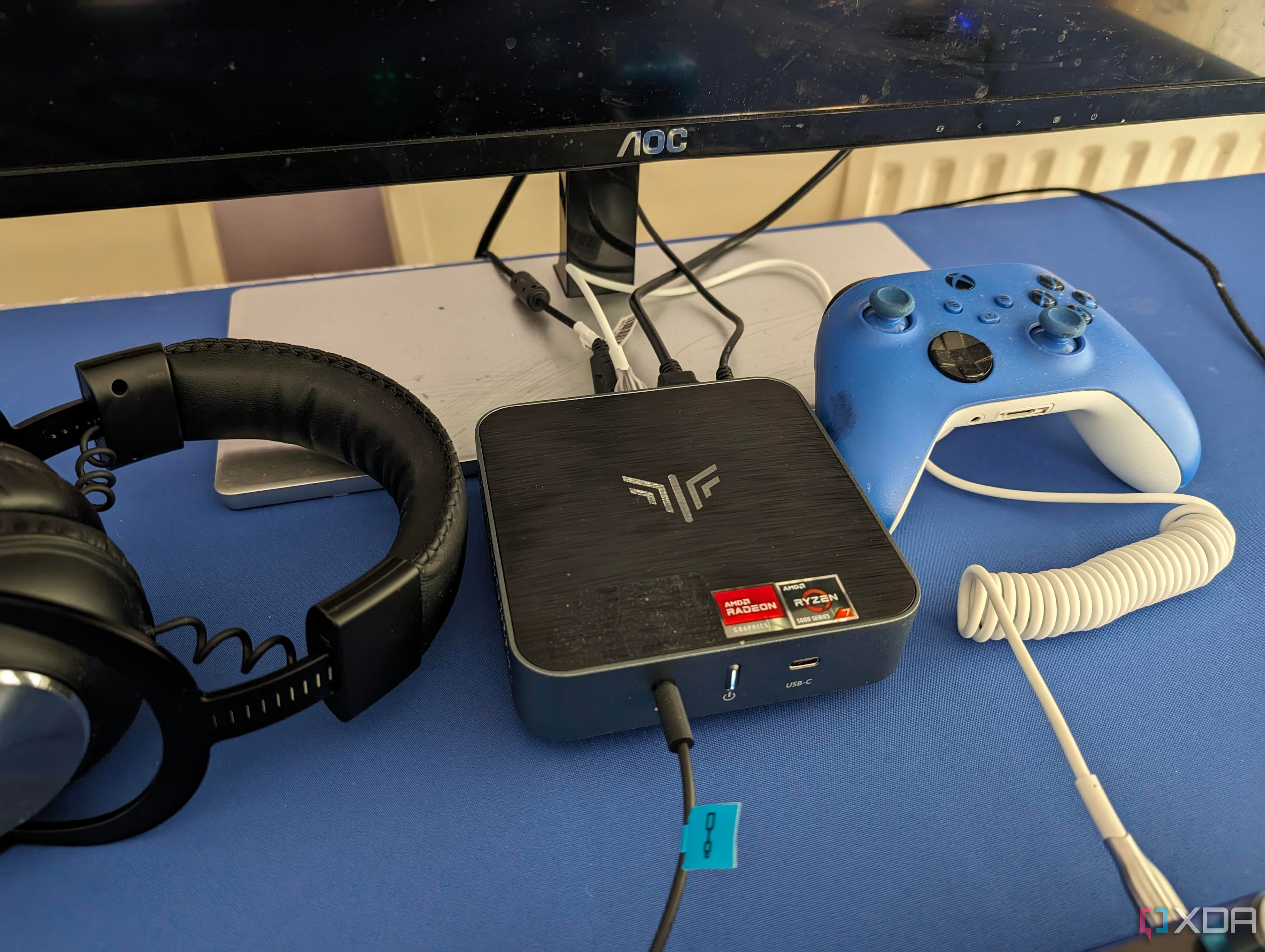
Mini PCs have become increasingly popular due to their compact size and powerful performance. However, one of the biggest challenges they face is overheating. Unlike larger desktops, mini PCs often lack sufficient space for robust cooling systems, making them more susceptible to heat buildup, especially during intensive tasks. Fortunately, a creative solution has emerged in the form of a 3D-printed bottom cover designed to improve airflow and keep components cooler.
This innovative fix was created specifically for the ZB-MN57 mini PC, but the design can be adapted for other models as well. The project's creator, @lixxus_3568380, developed a custom cooling plate that replaces the original bottom cover without adding extra bulk. The goal was to enhance cooling efficiency while maintaining the structural integrity of the device.
How It Works
The key to this solution lies in its design. The 3D-printed cover features honeycomb cutouts with tapered walls, which allow for improved air circulation around critical components like NVMe drives. This increased airflow helps dissipate heat more effectively, reducing the risk of overheating. Despite replacing the stock cover, the creator claims that the new design doesn’t compromise the rigidity or strength of the mini PC.
The material used for the cover is also an important factor. Instead of standard 3D printing plastics like PLA, the project uses PETG (Polyethylene Terephthalate Glycol), a material known for its durability and heat resistance. This ensures that the cover remains sturdy even under prolonged use.
Customization and Accessibility
While the design was originally tailored for the ZB-MN57, it’s not limited to that model. Users who own different mini PCs can customize the design by adjusting the parameters to match their specific dimensions. The creator has provided OpenSCAD code, which makes it easier for users to modify the design without needing to write new code from scratch.
For those interested in creating their own cooling plate, all necessary model files are available for download. These files can be used with any 3D printer that supports PETG material. Even if you don’t have a 3D printer, the project highlights the practical applications of this technology in personal computing.
Benefits for PC Enthusiasts
This DIY approach offers several advantages. It allows users to take control of their mini PC’s cooling system, potentially extending the lifespan of their hardware. Additionally, it showcases how 3D printing can be used for customization and problem-solving in the tech world.
For enthusiasts looking to build or upgrade their systems, a 3D printer can be a valuable tool. Whether it’s for creating cooling solutions or other custom parts, having access to 3D printing opens up a range of possibilities.
Conclusion
The 3D-printed cooling cover is a prime example of how innovation can address common issues in modern technology. By improving airflow and using durable materials, this solution offers a practical way to manage heat in mini PCs. With the right tools and some customization, anyone can implement this fix and enjoy a cooler, more efficient system.

0 comments:
Ikutan Komentar