Wednesday, April 8, 2026

NYT Connections August 22, 2025 Hints and Answers

Featured Image

Understanding the Popularity of Connections

Connections, a game developed by The New York Times Games, has become a hit among puzzle enthusiasts. Known for its unique approach to word-based challenges, it stands out from other games like Wordle and the crossword. Unlike traditional puzzles, Connections requires players to group words into coherent categories, making it both challenging and engaging. The game’s appeal lies in its ability to test cognitive skills while offering a quick and flexible gameplay experience that fits into daily routines.

Players can enjoy Connections during moments of downtime, whether they are working at their desks, exercising on a treadmill, or waiting for a flight. This convenience has contributed to its widespread popularity. Additionally, the satisfaction of solving a particularly difficult puzzle and sharing results with friends adds to the game's addictive nature.

How to Play Connections

The premise of Connections is straightforward: players are presented with 16 unsorted words and must group them into four categories of four. These categories can be based on various connections, such as shared themes, associations, or even specific patterns in word structure. The challenge comes from the fact that the categories are often not immediately obvious, requiring players to think creatively and critically.

Each grouping is assigned a color—yellow, green, blue, and purple—with yellow being the easiest and purple the most challenging. However, this hierarchy isn't always consistent, as some players may find certain categories easier based on their personal knowledge or interests.

One of the key features of Connections is the feedback system. After selecting four words, the game will inform players if they are just one word away from completing a category. This feature helps guide players through the puzzle without giving away the answers entirely.

Tips for Mastering Connections

To improve your performance in Connections, consider the following strategies:

  • Look for common traits: Identify groups of four words that share similar characteristics or themes. This can help you form accurate categories more quickly.
  • Use the "one away" hint: If three of your selected words are correct, the game will let you know you're close to completing a category. This can be a valuable tool when you're stuck.
  • Be mindful of spelling: Some words may be grouped together based on how they are spelled, so pay attention to the structure of each word.
  • Avoid premature guesses: Don’t rush to submit your first set of four words. Take time to evaluate all possibilities before making a choice.
  • Shuffle the board: Rearranging the placement of words can sometimes reveal new connections that weren’t apparent before.

If you're struggling to solve a particular puzzle, it's helpful to look for hints that provide clues about the categories. For example, today’s puzzle included themes such as U.S. Presidents, actors whose last names are verbs, types of poker, and proper nouns after gerunds in 90s movie titles.

Today’s Connections Hints and Answers

For those who need additional guidance, here are some specific hints for today’s puzzle:

  • U.S. Presidents: Look for names like Adams, Ford, Grant, and Washington.
  • Actors with Last Names That Are Also Verbs: Consider names like Chevy Chase, Christoph Waltz, Geoffrey Rush, and Tom Cruise.
  • Kinds of Poker: Think of terms like Draw, Omaha, Strip, and Stud.
  • Proper Nouns After Gerunds in '90s Movie Titles: Examples include Amy, John Malkovich, Las Vegas, and Private Ryan.

If you’re still having difficulty, the full answers for today’s puzzle are as follows:

  • U.S. Presidents: Adams, Ford, Grant, Washington
  • Actors with Last Names That Are Also Verbs: Chevy Chase, Christoph Waltz, Geoffrey Rush, Tom Cruise
  • Kinds of Poker: Draw, Omaha, Strip, Stud
  • Proper Nouns After Gerunds in '90s Movie Titles: Amy, John Malkovich, Las Vegas, Private Ryan

Remember, the puzzle changes daily, so even if you struggle with today’s version, there will be a new challenge tomorrow.

Frequently Asked Questions

  • When does the puzzle change? The Connections puzzle updates daily at midnight local time.
  • Do I need a subscription to play? No, you can access the game directly on the NY Times Connections page without any sign-up or subscription required.
  • Can I play previous games? Subscribers can access past puzzles in the archive, providing plenty of content for those looking to practice.

Whether you're a seasoned player or just starting out, Connections offers a fun and intellectually stimulating experience that continues to captivate puzzle lovers around the world.


Tuesday, April 7, 2026

DJI Mini Pilot: Excited for the DJI Mini 5 Pro, But One Thing Holds Me Back

Featured Image

The Future of the DJI Mini Series

I don’t upgrade my camera technology every time a new product is released. For example, I still have a DJI Mini 2 in my camera bag, and it continues to serve me well. However, there are some features that have made me seriously consider an upgrade. The rumors surrounding the DJI Mini 5 Pro have caught my attention, especially with the potential improvements that could be coming.

Although DJI has not officially announced any details about a successor to the Mini 4 Pro, FCC filings and leaked images have generated a lot of excitement about what might be in store for the Mini lineup. One of the most intriguing rumors is that the DJI Mini 5 Pro could feature a larger one-inch sensor. If this is true, it would represent a significant leap forward for the Mini series, which currently weighs under 250g.

This weight limit is crucial because it allows the drone to fly without needing registration in the United States. This exemption from registration is one of the main advantages of the Mini series. Additionally, under Part 107 regulations in the US, drones weighing less than .55 pounds can fly over crowds of people, provided they have propeller guards. While propeller guards would increase the weight beyond the threshold, the ability to operate in such environments is a major benefit.

Smaller drones also offer practical advantages when it comes to travel. Many countries, including Canada and the UK, have fewer restrictions on drones under 250g, making them easier to carry around. A drone that remains under this weight limit but includes a larger camera would be a game-changer for the Mini series.

The Mini series has long been a popular choice for both beginners and experienced users looking for an affordable option. With enhancements like improved wind resistance, better cold weather performance, longer battery life, and advanced obstacle detection, the Mini 4 Pro has already made significant strides. Adding a one-inch sensor would take these improvements even further, potentially offering higher quality images and videos from a compact device.

However, there’s a major hurdle that could prevent me from upgrading, regardless of how much I save up. As a US-based drone pilot, I may not be able to purchase the DJI Mini 5 Pro at all. DJI has stated that a “customs misunderstanding” has led to delays in shipping new drones to the US. This issue has resulted in a lack of availability on DJI’s US webstore, with many retailers either out of stock or charging higher prices due to limited supply.

DJI’s recent models, such as the Mavic 4 Pro, have yet to be launched in the US. Given the current situation, it seems unlikely that the availability of DJI drones will improve soon. This uncertainty has led me to explore alternative options, such as driving to Canada to buy a drone. While this might be cheaper in some cases, the added travel costs and the ambiguity around customs make it a risky proposition.

The rumors surrounding the DJI Mini 5 Pro have definitely made me want to upgrade my drone, but I suspect I won’t be able to do so in the US anytime soon. The situation highlights the challenges faced by drone enthusiasts who rely on DJI products.

If you’re looking for alternatives, there are several options available. You can explore the best camera drones or look into other brands if you're unable to purchase a DJI drone. These choices can provide similar performance and features while avoiding the current supply issues.

Monday, April 6, 2026

Software stocks struggle as AI takes the spotlight

Featured Image

The Tech Sector Faces Unprecedented Challenges from AI

The rapid advancement of artificial intelligence is reshaping the technology landscape, and while tech companies are at the forefront of developing AI tools, they are now experiencing significant challenges. The rise of AI technologies capable of writing and developing code has introduced a new level of uncertainty for the software industry, prompting concerns about the future of traditional business models.

One of the most notable areas affected by this shift is the Software as a Service (SaaS) model, which has long been a cornerstone of the tech industry. SaaS companies rely on subscription-based revenue, but the emergence of "agentic AI" — AI systems that can operate independently — is threatening to disrupt this model. These AI tools are becoming increasingly adept at coding, potentially allowing businesses to develop their own software without relying on third-party providers.

This disruption has led to declining stock performance for several major software companies. Salesforce (CRM), for example, has seen its shares drop by 26% this year, making it one of the worst-performing stocks in the Dow Jones Industrial Average. Adobe (ADBE) and Atlassian (TEAM) have also experienced significant declines, with shares down by 19% and 30%, respectively. In contrast, the broader market has shown resilience, with the S&P 500 up 10% and the Nasdaq Composite rising 11%.

Analysts suggest that the pressure on software valuations stems from the growing narrative that AI could render traditional software obsolete. Matthew Hedberg, a software research analyst at RBC Capital Markets, noted that this narrative is likely to drive continued volatility in the short term.

A Paradigm Shift in Technology

Ted Mortonson, a technology strategist at Baird, highlights that the market is currently grappling with a fundamental shift in how software and technology are being developed and utilized. Traditional SaaS companies, once favored by investors, are now facing the risk of losing relevance as AI continues to evolve and improve its coding capabilities.

Mortonson explained that the concept of "vibe coding" — where AI tools can autonomously write and develop code — poses a direct threat to the SaaS model. If companies can create their own software using these tools, they may no longer need to rent applications from established firms, leading to a decline in seat counts and subscriptions.

The speed of this transformation has caught many by surprise. Analysts note that while some companies may have anticipated the shift, few expected it to happen so quickly. Dan Ives, global head of technology research at Wedbush Securities, emphasized that Adobe and Salesforce, among others, underestimated the pace of the AI revolution.

AI’s Growing Influence

The idea that “software is eating the world” was popularized by venture capitalist Marc Andreessen in 2011. However, Jensen Huang, CEO of Nvidia, added a twist in 2017, stating that “AI is eating software.” This sentiment is gaining traction as more analysts recognize the transformative power of AI in the tech sector.

Ben Reitzes, head of tech research at Melius Research, believes that Huang’s prediction is proving true. He argues that AI is enabling startups and large cloud providers to develop applications that can compete effectively with traditional software companies. This trend is reminiscent of how cloud computing disrupted the dominance of hardware companies like Dell.

Sam Altman, CEO of OpenAI, recently highlighted the fast-paced nature of this transformation, suggesting that the SaaS industry is entering a “fast fashion era.” This implies that software solutions will be developed and replaced at an accelerated rate, further challenging the sustainability of traditional business models.

Competition from Big Tech

In addition to AI-driven disruptions, software companies are also facing increased competition from big tech giants. Microsoft (MSFT) and Oracle (ORCL) are expanding their AI capabilities, positioning themselves as strong contenders in the evolving market.

Microsoft CEO Satya Nadella has acknowledged the shift, noting that AI is driving a fundamental change in the business applications market. As customers move away from legacy systems toward agentic business applications, traditional software companies must adapt to remain relevant.

Despite these challenges, some analysts believe that the impact of AI on the software industry is not yet clear-cut. Angelo Zino, a tech analyst at CFRA Research, suggests that while there are concerns, it remains uncertain whether AI will fully replace traditional software. He points out that companies like Salesforce have already begun developing their own AI tools, such as “agentforce,” to stay competitive.

Uncertainty and Potential for Recovery

Wall Street remains divided on whether AI will ultimately replace SaaS or simply reshape it. While software company shares have declined this year, some analysts believe the market is overreacting. Brent Thill, an equity analyst at Jefferies, argues that AI is a transformational force rather than a destructive one for the software industry.

Thill notes that while there are headwinds, he believes software companies will eventually rebound and find ways to monetize their offerings within the AI ecosystem. He also points out that some of the limitations of current AI tools, such as "vibe coding," may prevent them from fully replacing human-developed software.

Ross Mayfield, an investment strategist at Baird, emphasizes the unpredictable nature of the AI market. He notes that the landscape can change rapidly, citing the recent impact of Chinese startup DeepSeek as an example. With so much uncertainty, investors must remain cautious and adaptable.

As the tech sector navigates this new era, the role of AI in shaping the future of software remains a topic of intense debate. While challenges abound, opportunities for innovation and adaptation continue to emerge.

Sunday, April 5, 2026

HKGAI and FLock.io Team Up to Boost Decentralized AI for Smarter Government

Featured Image

Strategic Partnership Between HKGAI and FLock.io to Revolutionise Government AI

In a significant move towards the future of artificial intelligence, the Hong Kong Generative AI Research and Development Centre (HKGAI) has formed a strategic partnership with FLock.io, an innovator in decentralised AI infrastructure. This collaboration aims to enhance government and public sector efficiency by developing advanced, domain-specific AI models that are both secure and transparent.

The partnership leverages FLock.io’s cutting-edge federated learning technology, which allows institutions to collaboratively train AI models without compromising data privacy. This approach is particularly important as governments around the world increasingly focus on responsible AI use.

Key Components of the Partnership

Both HKGAI and FLock.io will contribute resources to this initiative. HKGAI will deploy specialised research teams and high-performance GPU clusters, while FLock.io will provide its pioneering decentralised AI training infrastructure. This synergy will enable secure multi-institution collaboration, ensuring that data privacy and security remain paramount.

Jiahao Sun, CEO of FLock.io, highlighted the significance of this alliance, stating, “This strategic alliance demonstrates powerful support for FLock.io’s unique federated learning protocol by one of Asia’s leading government-backed AI institutions.” He expressed excitement about introducing decentralised AI infrastructure into public sector operations, aiming to drive efficiency, innovation, and real-world impact.

Benefits of Decentralised AI

FLock.io’s approach allows institutions holding sensitive and isolated data to collaborate securely and compliantly. This capability is essential for governments looking to implement AI solutions that meet regulatory standards and protect citizen data.

The partnership also underscores the Hong Kong government's proactive commitment to pioneering decentralised AI solutions. Both HKGAI and FLock.io are exploring further integration opportunities and joint infrastructure initiatives, aiming to expand the reach and effectiveness of these groundbreaking models across broader governmental networks.

About HKGAI

Established in October 2023 under the Hong Kong government’s InnoHK initiative, HKGAI serves as the city’s flagship for generative AI innovation. Led by the Hong Kong University of Science and Technology (HKUST), HKGAI collaborates with renowned local and international institutions to develop foundational AI models and transformative applications.

In February 2025, HKGAI introduced its inaugural large-scale generative AI model, HKGAI V1, marking a significant milestone in Hong Kong’s growing AI ecosystem.

About FLock.io

FLock.io is a pioneering decentralised AI training platform that combines Federated Learning and blockchain technology. Its secure, privacy-centric platform empowers communities to collaboratively build, train, and own AI models without centralising data.

The FLock.io ecosystem comprises three key components:

  • AI Arena: A competitive AI model training platform.
  • FL Alliance: A privacy-preserving collaborative framework safeguarding data sovereignty.
  • Moonbase: A decentralised AI model hosting and refinement platform that rewards contributors and supports ecosystem growth.

FLock.io emphasizes that “Not Your Models, Not Your AI,” allowing users to learn more at FLock.io.

Expanding the Reach of AI Solutions

As the partnership between HKGAI and FLock.io continues to evolve, it sets a precedent for how governments can harness the power of decentralised AI. By focusing on secure, transparent, and efficient solutions, this collaboration paves the way for a new era of public sector transformation.

With ongoing efforts to explore further integration opportunities, the potential for these innovative models to impact governance and public services is vast. The collaboration not only highlights the importance of responsible AI use but also showcases the benefits of leveraging advanced technologies to address complex challenges.

Saturday, April 4, 2026

Scientists Create Revolutionary Material Set to Reshape Plastic Production

Featured Image

A New Approach to Plastic Production

Plastic has become one of the most significant environmental challenges of our time. However, a groundbreaking scientific discovery may offer a promising solution by capturing carbon dioxide from the air and using it to create plastic. This innovative approach could drastically reduce the environmental impact of the plastic industry.

A team of researchers from Caltech recently published their findings, revealing that carbon dioxide can be transformed into useful chemical compounds like ethylene and carbon monoxide using renewable electricity. These compounds serve as building blocks for creating plastics known as polyketones. These materials are strong and durable, making them suitable for various applications such as adhesives, car parts, and piping.

While the process still requires refinement and extensive testing before it can be widely implemented, the initial results have sparked excitement among scientists. The potential to convert harmful greenhouse gases into valuable products is a game-changer in the fight against climate change.

Theo Agapie, a Caltech professor of chemistry, expressed his enthusiasm about the research, stating, "With our new work, we have taken a significant step in that direction." He believes society would be interested in such an innovation.

The Scale of Plastic Production and Its Impact

Each year, over 430 million tons of plastic are produced globally, with a significant portion discarded after a single use. This waste often breaks down into microplastics, which are now found in every corner of the planet—from our oceans to our food and water, even in human brains. These tiny particles pose serious health and environmental risks.

In addition to the issue of plastic waste, the production of plastic itself contributes to environmental problems. The burning of fossil fuels required to manufacture plastic releases large amounts of greenhouse gases into the atmosphere. These gases trap heat, leading to rapid global warming. As plastic production continues to rise, so does its environmental impact.

According to the Center for International Environmental Law, plastic's greenhouse gas emissions could surpass 56 billion tons by 2050. This alarming projection underscores the urgency of finding sustainable alternatives.

A Potential Solution

This Caltech research offers a potential solution by focusing on creating ethylene from carbon dioxide instead of traditional petroleum-based sources. Many scientists have explored ways to make plastic production cleaner, but this method represents a novel approach.

Max Zhelyabovskiy, a researcher involved in the project, emphasized the importance of demonstrating that this transformation is possible. He believes that showcasing this capability could inspire further research and development in the field.

Public Perception and the Future

Public opinion on plastic usage varies. Some believe Americans use too much plastic, while others think it's only an issue in certain states. Others feel the country is improving, and some argue that current practices are sufficient.

Regardless of individual perspectives, the need for sustainable solutions is clear. Innovations like those developed at Caltech could play a crucial role in shaping a more environmentally friendly future.

For those interested in staying informed about the latest developments, joining a free newsletter can provide weekly updates on innovations that improve lives and shape the future. Subscribers can also explore easy ways to help themselves while contributing to environmental sustainability.

This breakthrough in plastic production highlights the importance of scientific research in addressing global challenges. It serves as a reminder that with creativity and determination, we can find solutions to some of the most pressing issues facing our planet.

Thursday, April 2, 2026

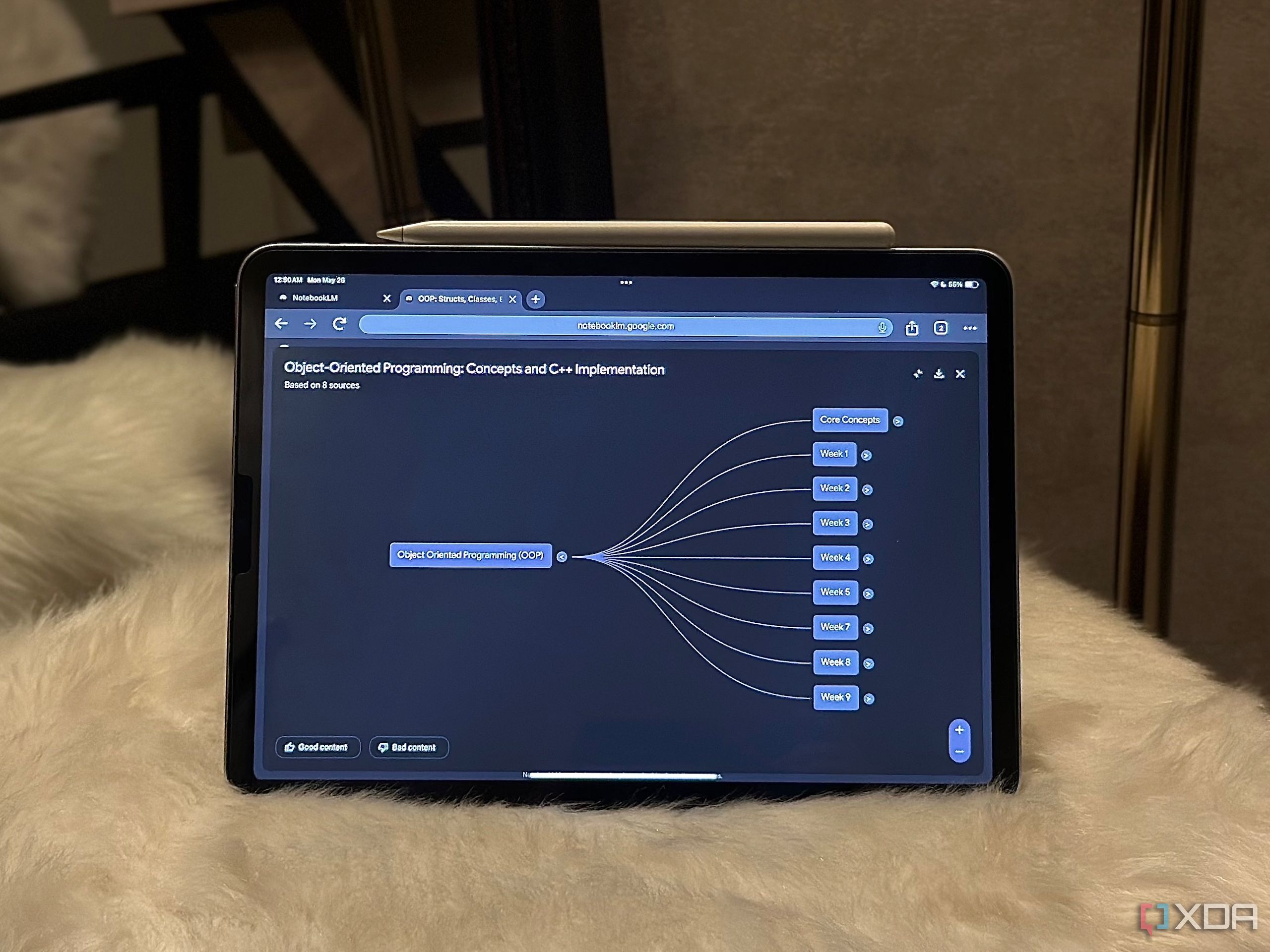
I Boost NotebookLM Mind Maps with This Chrome Extension

Featured Image

Enhancing NotebookLM Mind Maps with a Powerful Chrome Extension

When dealing with multiple documents, whether for work or studying, it can be challenging to keep track of all the connections between different pieces of information. A single key point might be buried in one document, while another document contains related ideas. This complexity can make it difficult to see the bigger picture.

As AI continues to play a more significant role in our daily lives, I've found that tasks like connecting ideas across documents are ideal for AI assistance. NotebookLM's Mind Map feature, which was introduced earlier this year, is designed to help users visualize and connect their thoughts. However, since its launch, the feature has remained largely unchanged, offering the same functionality as when it first debuted.

Thankfully, there’s a solution that takes NotebookLM’s Mind Maps to the next level. A Chrome extension called the NotebookLM Mindmap Extractor has emerged as a valuable tool for enhancing the experience beyond what NotebookLM offers.

Exporting Mind Maps with Ease

While there are numerous Chrome extensions available for NotebookLM, many focus on bulk adding sources to notebooks. These tools are undoubtedly useful, especially for users who frequently add content. However, I was looking for something that could enhance my experience beyond just managing sources.

The NotebookLM Mindmap Extractor is still in its early stages but offers a unique feature that NotebookLM lacks: exporting mind maps. While NotebookLM does provide a download button, it only allows users to save maps as PNG images, which are static and not easily editable. The extension changes this by enabling exports in multiple formats, including FreeMind (.mm), Generic XML (.xml), and OPML (.opml) files.

Once the extension is installed and a mind map is fully expanded within a NotebookLM notebook, users simply click the extension icon and select the "Detect Mind Map" button. The extension processes the map quickly and allows users to export it in their preferred format. The developer recommends using the FreeMind format for the best results.

Preview and Analysis Features

At the bottom of the pop-up, the extension displays a preview of the mind map structure along with a "Level Distribution" breakdown. This feature shows how many nodes exist at each level of the map, giving users a quick insight into the complexity of their diagram. The developer claims that all processing occurs locally in the browser, ensuring data privacy.

Expanding the Possibilities

After exporting a mind map, the possibilities are endless. The extension maintains the original structure of the map, allowing users to move it to other tools without losing formatting, hierarchy, or relationships between nodes. This is particularly useful for those who want to customize their maps further.

I personally import my exported mind maps into Xmind, a mind mapping software that allows full customization. With Xmind, I can change node colors, adjust text size, rearrange branches, and even convert the diagram into different layouts like fishbone or organizational charts. I also find it helpful to add new nodes during research. The reason I don’t create mind maps directly in Xmind is that NotebookLM provides AI-generated connections and summaries that I find invaluable.

Until NotebookLM introduces proper customization options, this workflow feels like the perfect solution. I get the benefit of AI-driven insights from NotebookLM and then refine and present the map exactly as I want in Xmind.

A Game-Changing Tool

If you love NotebookLM's Mind Maps, this extension is worth trying immediately. Initially, I didn’t expect much from it, as it promised to export mind maps as clean, editable files. However, after testing it myself, I realized how much easier it makes working with these maps. Viewing and interacting with the map inside NotebookLM is great, but having the flexibility to edit, reorganize, and share it outside the platform is a game-changer.

Wednesday, April 1, 2026

Hartford Tech Startup Thrives in Tough Insurance Market

Featured Image

A Journey of Resilience and Innovation

When their startup’s investors pulled out just before Christmas eight years ago, Luke Magnan and Mike Jones found themselves at a crossroads. With no external funding to rely on, the two insurance industry veterans made a bold decision to take a different approach. “We had to figure out what we were going to do, and we decided we’re going to try to do this a different way,” Magnan said. “Let’s see what we can do without any money, if we can sort of bootstrap this and make it happen.”

With decades of experience in the insurance sector, the pair launched their insurtech software firm in Hartford, naming it Combined Ratio Solutions after a key financial metric used to assess an insurer's profitability. Starting with a small team funded entirely by their own resources, they focused on creating a product that could address the pain points of the industry.

Over the past eight years, the company has grown significantly. The original core group of five has expanded to 200 employees, with about 30 working from the company’s headquarters at 190 Trumbull St. in downtown Hartford. Combined Ratio Solutions now offers updated software that helps property and casualty insurance companies manage their day-to-day operations, covering assets like homes and cars.

Challenging the Status Quo

Magnan believes that traditional software companies have not always aligned with what customers truly need. “There was a better way to go about it,” he said. The company’s website reflects this philosophy, using bright colors, bold fonts, and oversized all-caps headers to urge insurers to “join the revolution” against the clunky and overpriced software that dominates the industry. The team is described as “our rebels,” highlighting their commitment to innovation.

The company’s latest product is free, open-source software designed for policy administration, allowing insurance companies to assess risk information and determine coverage levels and pricing. “We’ve built a whole practice around implementing it and configuring it to really work for clients,” Magnan explained. “We're very excited. We think this is something that really is going to change the industry, and we’re aggressively growing around it.”

Choosing Hartford as a Home

Magnan, a native of Vernon, convinced his co-founder to locate the company in Hartford due to its concentration of insurance industry talent and expertise. Despite challenges with rising office vacancies in recent years, the city has proven to be a supportive environment for growth. “The local business owners on the hospitality side have certainly been an important part to our story,” Magnan said. The company aims to double its Hartford-based workforce in the next year and encourages new hires to live in the city.

“Bringing younger people from other geographies to live in Hartford has had pros and cons,” Magnan noted. “I think living in downtown Hartford now is better than it’s been in the past, and certainly a much different experience than people who maybe lived in other places. We have to appreciate that it will not be for everybody.”

Building a Community Around Insurtech

To reach the next level, Combined Ratio Solutions needs more support in connecting with large companies that once gave Hartford its title as the “Insurance Capital of the World,” Magnan said. “More companies could be doing what we’re doing, and we’d be happy to talk about that and building more of a community around insurance technology in the city.”

Susan Winkler, executive director of the MetroHartford Alliance’s insurance and financial services division, sees companies like Combined Ratio Solutions as a beacon of hope for the insurance sector in Hartford. While industry giants like Aetna have reduced their local workforces, efforts to build an ecosystem around insurance technology are gaining momentum. This includes organizations like InsurTech Hartford, which promotes networking and hosts events such as Hartford Innovation Week.

Stacey Brown, founder of InsurTech Hartford, noted that breaking into the insurtech industry is challenging due to the dominance of large, self-contained companies. “Combined Ratio is a bright spot,” Brown said. “Their target customers are not necessarily the big logos we see around town. They tend to go after the smaller, agile and more innovative companies in the industry.”

A Model for Future Entrepreneurs

Magnan hopes that Combined Ratio Solutions’ success story will inspire other entrepreneurs. “We own the company outright, and we’ve really been able to make our own decisions and grow the company,” he said. “While we’re in a high-tech industry, it is a very old-fashioned model, and it’s something that I think that everybody should seriously consider and take a look at.”

Tuesday, March 31, 2026

AI Struggles With Student Loan Forgiveness

Featured Image

Understanding Public Service Loan Forgiveness (PSLF)

Public Service Loan Forgiveness is one of the most sought-after federal student loan forgiveness programs, promising debt cancellation after 120 qualifying payments for borrowers who work in government or nonprofit jobs. However, this program has also been plagued by years of confusion, regulatory changes, and uneven implementation. The complexity of PSLF has led some borrowers to turn to AI tools for guidance.

But can AI be trusted to explain such a complex program? A recent test of four leading AI platforms—ChatGPT, Google Gemini, Grok, and Perplexity—revealed mixed results. While all correctly explained the basics of PSLF, they struggled with more nuanced questions about repayment plans and forbearances.

What AI Got Right

Every system tested correctly defined PSLF at a high level: a program that cancels the remaining balance on Direct Loans after 120 qualifying monthly payments while working full-time for an eligible employer. The tools explained that qualifying employers include government agencies and nonprofit organizations, and that repayment must be made under an income-driven plan or the 10-year standard plan.

Google Gemini provided a clear and accurate explanation of PSLF, highlighting the requirement that only Direct Loans qualify, and that FFEL or Perkins Loans don't qualify unless they are consolidated first. This baseline accuracy is important, but it's also the simplest because it's defined clearly across multiple websites. For basic PSLF education, AI appears to be a reasonable starting point.

Where AI Went Off Track

The real test came with more complex questions. On whether the SAVE forbearance counts toward PSLF, only Google Gemini offered a somewhat decent answer, but after multiple paragraphs that seemed inappropriate for the question. The answer is simple: time in SAVE forbearance does not count, except potentially through the PSLF “buyback” process if the borrower qualifies.

ChatGPT, Grok, and Perplexity all gave inconsistent or incomplete responses, with some suggesting incorrectly that SAVE-related pauses might be credited like the COVID-era payment pause. For example, ChatGPT answered a clear "yes" to whether months in administrative forbearance could count toward PSLF, which is incorrect.

When asked about the new Repayment Assistance Plan (RAP) created under the One Big Beautiful Bill Act (OBBBA), the answers varied widely. Gemini correctly identified RAP as a qualifying income-driven repayment plan beginning in 2026. ChatGPT also recognized RAP’s eligibility but hedged that the Department of Education had not finalized guidance, even though this is incorrect. Grok, however, denied RAP’s existence as a repayment option, suggesting it must have been a typo.

Even on the relatively straightforward question of whether loans must be serviced by MOHELA to count for PSLF, responses varied. Gemini and Perplexity correctly explained that servicing is now managed through StudentAid.gov and that loans can remain with any federal servicer. ChatGPT suggested loans eventually move to MOHELA for tracking, reflecting outdated information. Grok gave a partial answer that was accurate in describing Direct Loan eligibility but incomplete in its explanation of MOHELA’s limited current role.

Why Accuracy Matters

The gaps in AI responses highlight why borrowers should be cautious when using AI tools for financial decisions. Mistakenly believing that months in SAVE forbearance count toward forgiveness could delay cancellation by years. Misunderstanding whether RAP qualifies might lead borrowers to choose the wrong repayment plan. Confusion about servicer requirements could result in incorrect paperwork or confusion.

Because PSLF has historically been one of the most error-prone and complaint-heavy programs in federal student aid, accuracy is not optional. The Department of Education has repeatedly updated PSLF rules through waivers, account adjustments, and negotiated rulemaking. Each change has created new exceptions and caveats that AI systems often fail to capture fully.

Safer Alternatives for Borrowers

Borrowers seeking reliable information on student loan forgiveness should continue to rely on official resources or actual human experts:

  • Studentaid.gov: The Department of Education’s website hosts the PSLF Help Tool, which verifies employer eligibility and tracks payment counts.
  • Loan servicers: While imperfect, loan servicers remain the official point of contact for processing payments and forms. It's also important to note that loan servicers cannot give you information on future programs like RAP—they can only discuss current options that may work for you.
  • Media organizations that specialize on education and personal finance: These organizations provide in-depth coverage and expert analysis.
  • Certified professionals: For personalized advice, borrowers can consult financial planners or student loan lawyers that specialize in student loan debt.

AI tools can provide a helpful overview, but borrowers should always cross-check information with official sources.

Bottom Line

AI is not ready to help you navigate Public Service Loan Forgiveness. While the technology is improving, it still struggles with the nuance and exceptions that can make or break eligibility. For now, AI should be treated as a supplementary tool, not a primary source.

Borrowers who want to ensure they are on track for forgiveness should document their employment, submit PSLF forms regularly, and consult the Department of Education directly. AI may someday help simplify student loan programs, but today, it remains a work in progress.

Monday, March 30, 2026

Dwaraka Nath Kummari Launches AI Tax Compliance System to Revolutionize Global Reporting

Featured Image

Modernizing Tax Compliance with Predictive Analytics

Businesses dealing with tax obligations across multiple jurisdictions are increasingly facing challenges in managing data preparation, interpreting regulations, and ensuring audit readiness. Dwaraka Nath Kummari has introduced an innovative framework that incorporates machine learning into critical parts of the tax reporting process. This approach aims to enhance accuracy, reduce manual work, and allow for more efficient prioritization of audits.

The Shift Toward Predictive Tools

Traditional tax processes often depend on manually gathered data, isolated systems, and reactive audits. Kummari suggests a move toward predictive analytics, where compliance risks are assessed early using both structured and unstructured data sources. By utilizing machine learning, the framework can detect potential inconsistencies, allowing tax teams to address issues earlier in the reporting cycle.

Key Lifecycle Phases in the Framework

Kummari’s system is divided into three main stages, each leveraging artificial intelligence to achieve specific operational benefits:

Data Intake and Preparation

  • Natural language processing (NLP) is used to standardize regulatory texts and unstructured inputs.
  • Structured data such as ledgers and transactions are cleaned, transformed, and analyzed for outliers or inconsistencies.
  • Analytical tools identify early signs of compliance gaps, including delayed remittances or mismatches between different jurisdictions.

Risk Classification and Case Prioritization

  • Predictive models, such as Random Forests and Logistic Regression, assess the likelihood of non-compliance.
  • Entities are categorized based on their compliance risk levels, helping teams allocate audit resources effectively.
  • Models are continuously updated with feedback from past audit results to improve their predictive accuracy over time.

Scalable Deployment and Reporting

  • AI components are deployed across secure, distributed environments using privacy-preserving techniques like federated learning.
  • Model decisions and supporting evidence are documented for audit readiness, with version control applied to regulatory logic.
  • The system incorporates changes to tax rules through modular updates, ensuring minimal disruption to core analytics.

Observed Benefits in Early Implementation

In a trial involving a commercial organization operating in three tax jurisdictions, the prototype processed over 10 million transactions. The results showed a 40% increase in identifying potentially non-compliant cases, with a 25% reduction in false-positive classifications. By flagging risks earlier in the cycle, internal tax teams were able to resolve issues proactively, potentially reducing financial exposure by nearly one-fifth.

Ensuring Accountability in Model Use

To maintain transparency, the system includes explanation tools that link model outputs to observable data factors—such as missing documentation or unusual transaction values. This traceability supports both internal reviews and external audit requirements. Security protocols are implemented throughout, including encrypted data storage and strict access governance.

Future Applications

Looking ahead, the framework could support additional features such as automated document preparation when anomalies are detected or simulation tools that help tax teams anticipate the impact of new legislative proposals.

Kummari emphasizes that the goal is not to replace human oversight but to enable a more structured, data-informed approach to tax governance. By integrating predictive models with domain knowledge and operational safeguards, organizations can better manage regulatory complexity while maintaining accountability and control.

Sunday, March 29, 2026

Samsung Extends 7-Year Update Promise to Smart Home Devices

Featured Image

Samsung Expands 7-Year Update Promise to Smart Home Appliances

In the early days of smartphones, it was common for brands to offer customers between one to three years of software updates. However, this has significantly changed over time. Companies like Samsung have now extended their update support to as long as seven years for newer devices. Now, the company is taking this approach a step further by applying similar update policies to its smart home appliances.

A New Era for Smart Home Devices

Samsung’s smart home appliances, including refrigerators, washing machines, and more, currently run on the Tizen operating system. According to recent announcements, the company is making some significant changes to how these devices are updated and managed. In addition to providing up to seven years of updates, Samsung is also integrating One UI into its smart appliances.

It’s important to note that Samsung isn’t replacing Tizen with One UI. Instead, it’s introducing a version of One UI tailored specifically for home appliances. This interface isn’t the same as the one found on Galaxy phones or tablets, but it aims to provide a more familiar experience for users who are already accustomed to Samsung’s mobile ecosystem.

A Unified Software Experience

One of the main motivations behind this change is to create a more unified software experience across all Samsung products. The company is focusing on features such as an enhanced version of Bixby, Samsung TV Plus, SmartThings, Family Care, Home Care, and Pet Care. These features aim to streamline the way users interact with their smart home devices, making them more intuitive and user-friendly.

Additionally, Samsung plans to introduce a feature called “Now Brief” in WiFi-enabled home appliances that launch in 2026. This feature, which first appeared in the Galaxy S25 series, delivers personalized and relevant information directly to the appliance’s display. Users can expect updates on weather, upcoming schedules, and other useful data without having to check their phone.

What Does This Mean for Consumers?

While the idea of receiving regular updates for smart home appliances may seem appealing, it’s worth considering how often users actually engage with these devices. Many people might find it more convenient to check their phone for updates rather than interacting with a fridge or washing machine. However, for those who are excited about the concept of a fully integrated smart home, this development could be a game-changer.

Samsung’s move to bring longer update cycles and a more consistent user interface to its appliances reflects a broader trend in the tech industry. As smart home technology continues to evolve, companies are looking for ways to make their products more accessible, functional, and future-proof.

Looking Ahead

With the introduction of One UI and extended update support, Samsung is positioning itself as a leader in the smart home space. The company’s focus on creating a seamless experience across all its products is likely to appeal to both existing Samsung users and those new to the ecosystem.

As these updates roll out, it will be interesting to see how consumers respond and whether the added functionality translates into real-world benefits. For now, one thing is clear: Samsung is committed to redefining what it means to own a smart home.

Saturday, March 28, 2026

Sony INZONE Mouse Review: A Featherlight Pro Gaming Masterpiece

Featured Image

Price and Availability

The Sony INZONE Mouse-A is priced at $150. When you purchase the mouse, it comes with a USB-A to USB-C cable, a 2.4 GHz receiver (dongle), and replacement skates. This setup ensures that users have everything they need right out of the box.

It’s All About Shape and Weight

From a technical standpoint, the Sony INZONE Mouse-A is on par with other high-end gaming mice. Specifications such as 750 IPS, 70 G acceleration, 30,000 DPI, and an 8000 Hz polling rate are common in this category. Sony brings these standard features to the table, resulting in a performant mouse that meets expectations.

Instead of focusing on specs, Sony aimed to differentiate the INZONE Mouse-A through its design. At just 48 grams, it's lighter than many of its competitors, making it ideal for fast-paced games like first-person shooters. The smooth skates contribute to its performance, though larger skates could further enhance its capabilities.

The shape of the mouse is also significant. While it may not provide a clear competitive edge, the aggressive hump encourages an active posture. It supports claw grips well, but the hump can be uncomfortable when using a palm grip. For those who prefer a flatter design, there are alternatives available. However, if you use a claw grip or something similar, the INZONE Mouse-A should be comfortable enough.

Everything You Need, Nothing You Don’t

As with most high-end gaming mice, the INZONE Mouse-A focuses on essential features rather than flashy extras. There’s no RGB lighting or gimmicks here—just a straightforward design that prioritizes function over form.

The mouse includes two primary buttons, two side buttons, and a scroll wheel. Optical switches ensure precise clicks, and the large side buttons are easy to access. The scroll wheel is notably big, which is a welcome feature since many modern mice have wheels that are too small for comfortable use.

Despite these positives, some aspects of the mouse feel underdeveloped. The short travel distance and lack of buoyancy in the buttons result in hard stops, which can be unpleasant. The side buttons feel hollow, and the wheel button is too firm. These issues may be attributed to Sony’s first attempt at a gaming mouse, but for the same price, there are other mice that have already refined these details.

Another notable omission is Bluetooth connectivity. While this trend is becoming more common in gaming mice, the 2.4 GHz connection offers better responsiveness, making it a logical choice for gaming. If Bluetooth is a must-have for you, the INZONE Mouse-A may not be the best option.

Wireless Performance and Battery Life

The wireless version of the INZONE Mouse-A delivers impressive battery life. Sony claims up to 90 hours of use, which aligns with real-world testing. The mouse efficiently manages power by turning off when idle and quickly resuming operation when needed. This feature is especially beneficial, as even a minor delay could hinder performance during intense gaming sessions.

Customization May Be Too Basic

High-end gaming mice typically offer extensive software customization. However, the INZONE Hub software falls short in this regard. Users can reassign buttons, adjust DPI, and modify lift-off distance, among other settings. While these options are sufficient for casual gamers, those willing to spend a premium on a mouse expect more advanced features, such as adjusting acceleration curves.

Additional quality-of-life improvements, like disabling the always-on light of the 2.4 GHz dongle, would have been appreciated. Although the software may improve over time, currently, it doesn’t fully justify the mouse’s price point.

Should You Buy the Sony INZONE Mouse-A?

The Sony INZONE Mouse-A is a reliable, no-frills gaming mouse that caters well to users who prefer a claw grip. It features quality components, but it could benefit from more robust customization and improved tactile feedback. While it may not be the top choice at full price, it could be worth considering if it becomes available at a discount.

Friday, March 27, 2026

New Cell Phone Law Explained as Triad Students Head Back to School

Featured Image

New Law Restricts Cell Phone Use in North Carolina Schools

As students across the Piedmont Triad return to school, a new law is changing the way they interact with technology. Governor Josh Stein recently signed House Bill 959 into law, which places restrictions on the use of cell phones and other devices in public schools. The legislation also mandates that students receive education on social media literacy.

Restrictions on Mobile Devices

The law requires all public school districts in North Carolina to submit policies restricting wireless devices to the North Carolina Department of Public Instruction by September 1. These policies must be implemented by January 1. The goal is to reduce distractions and improve student focus during instructional time.

Research supports these restrictions, showing that mobile devices can negatively impact learning. Some school systems have already implemented similar policies. For example, Lexington City Schools requires elementary and middle school students to turn off their phones for the entire school day, while high school students may use them during lunch.

Superintendent Nakia Hardy of Lexington City Schools noted that students are more focused in class when devices are not allowed. “It's a difficult thing for students and even adults to detach from their devices, but they can be a major distraction,” she said.

Other districts, like Rockingham County Schools, are still determining how to implement the new rules. Superintendent John Stover mentioned that some middle schools have had success with no-cell-phone policies, and others are considering adopting similar models.

Impact on Students

While some parents have expressed concerns about being unable to contact their children in emergencies, experts like psychologist Mitch Prinstein believe the benefits outweigh the drawbacks. Prinstein, who studies the effects of technology on child development, says fewer distractions lead to better focus and safety.

He also highlighted the "second-hand screen effect," where students sitting near those using devices can also be distracted. Additionally, he warns about the exposure of students to harmful content online, such as cyberbullying or misinformation.

Prinstein emphasizes that when these policies are first introduced, there may be an adjustment period. However, many students eventually feel relieved, reporting that they can be more present and form real connections without the pressure of constant device use.

Social Media Literacy Education

In addition to limiting device usage, House Bill 959 requires schools to teach social media literacy. This includes lessons on the social, emotional, and physical effects of social media use. Each district must provide instruction at least once in elementary school, once in middle school, and twice in high school.

The curriculum covers eight key topics:

  • Negative effects of social media on mental health, including addiction.
  • The spread of misinformation on social media.
  • How social media can manipulate behavior.
  • The permanency of online information.
  • Maintaining personal security online.
  • Identifying cyberbullying, predatory behavior, and human trafficking.
  • Reporting suspicious online activity.
  • Developing personal and interpersonal skills to reduce risky behavior.

Prinstein believes this education helps students navigate both online and offline environments. He encourages teaching critical thinking, how to identify misinformation, and how to handle conflicts on the internet.

Ongoing Research and Adaptation

As schools implement these changes, Prinstein stresses the importance of continued research and legislative efforts. With the rapid advancement of AI and other technologies, it’s essential to stay informed and adapt policies accordingly.

The new law aims to create a safer and more focused learning environment for students, balancing the benefits of technology with the need for responsible use. As districts roll out these policies, the focus remains on supporting student well-being and academic success.

Thursday, March 26, 2026

New radar reveals hidden underground city

Featured Image

Breakthrough in Radar Technology

Recent advancements in radar technology have led to a remarkable discovery beneath the Giza Pyramids in Egypt—a massive underground city. This groundbreaking find has drawn attention from archaeologists and scientists around the world, igniting discussions and prompting further exploration. As researchers and enthusiasts delve into this monumental discovery, it promises to reshape our understanding of ancient Egyptian civilization and its architectural achievements.

The breakthrough was made possible by the innovative use of quantum radar technology. Unlike traditional radar, which relies on radio waves to detect objects, quantum radar utilizes quantum entanglement to achieve unprecedented levels of resolution and penetration. This technology allows for more precise detection of underground structures, which has long been a challenge for archaeologists trying to explore beneath the Earth’s surface without invasive digging.

Quantum radar's technical advancements have opened new avenues for exploration. Its ability to penetrate deeper layers of the earth while maintaining high resolution has made it an invaluable tool in discovering hidden structures. The technology’s sensitivity is attributed to innovations in quantum physics, which allow it to distinguish between different materials with high accuracy. These capabilities not only facilitate archaeological discoveries but also have broader applications. For instance, in geology, it can be used to map mineral deposits, while in urban planning, it can help in the design of underground infrastructure. Its potential uses in military operations for detecting underground bunkers also highlight its strategic importance.

The Discovery of the Underground City

The initial signs of the underground city were detected when radar images revealed unusual patterns beneath the sands of Giza. These anomalies piqued the interest of researchers, leading to a more focused investigation. As exploration continued, the radar data unveiled a sprawling network of tunnels and chambers, confirming the existence of a vast subterranean complex. The architectural features identified within the underground city are nothing short of fascinating. Researchers have mapped out intricate passageways and chambers that suggest a well-organized urban layout. Some areas appear to have been used for residential purposes, with evidence of living quarters and communal spaces. The complexity of the construction indicates advanced engineering skills, challenging previous assumptions about the capabilities of ancient Egyptian society.

The discovery provides a new perspective on the architectural ingenuity of the civilization that built the pyramids and raises questions about the purpose and function of the underground city. It challenges existing historical narratives and suggests that ancient Egyptians may have been more advanced than previously thought. This newfound complexity in their urban planning and architecture could significantly alter our perception of their societal structure and cultural achievements.

Implications for Archaeology and History

Excavating and studying the underground city presents numerous challenges for archaeologists. The delicate balance of preserving the site while conducting thorough research requires advanced techniques and technologies. There are concerns about causing potential damage to the structures, which have remained hidden for millennia. Furthermore, ethical considerations must be addressed, as the site holds significant cultural and historical importance. Ensuring that the exploration respects the cultural heritage and traditions of Egypt is paramount to maintaining the integrity of the discovery.

As scientists and historians continue to study the site, they may uncover new insights into the daily lives and spiritual practices of the civilization. The revelation of such an expansive underground city has profound implications for our understanding of ancient history. It challenges existing historical narratives and suggests that ancient Egyptians may have been more advanced than previously thought. This newfound complexity in their urban planning and architecture could significantly alter our perception of their societal structure and cultural achievements.

Scientific and Public Reaction

The scientific community has been abuzz with debates and discussions regarding the implications of the underground city. Some experts argue that the discovery could rewrite sections of ancient history, while others call for cautious analysis before drawing definitive conclusions. The varying opinions reflect the complexity of interpreting such a monumental find.

Media coverage of the discovery has captivated the public’s imagination, sparking widespread interest in ancient civilizations and their mysteries. Reports from various outlets have brought the story to a global audience, increasing public engagement with archaeological research. The fascination with the unknown and the allure of uncovering hidden secrets beneath iconic landmarks like the Giza Pyramids have contributed to a renewed enthusiasm for historical exploration. As public interest grows, it may lead to increased funding and support for future archaeological endeavors.

Looking Forward: Potential Discoveries

The discovery of the underground city beneath the Giza Pyramids is just the beginning. As technology continues to advance, new tools and methods will likely emerge to aid in the exploration of hidden sites. Predicting future technological innovations, such as enhanced quantum radar systems with even greater precision and depth capabilities, could revolutionize the way we study ancient structures and their environments. These advancements will be crucial in uncovering other potential sites that lie hidden beneath the surface.

The global implications of similar discoveries are vast. If other ancient civilizations also constructed underground cities, we may need to reevaluate our understanding of history on a broader scale. These findings could provide insights into the commonalities and differences among ancient cultures, offering a more comprehensive view of human development throughout the ages. The potential for new discoveries highlights the importance of interdisciplinary collaboration, bringing together technologists, archaeologists, historians, and other experts to share knowledge and expertise. Such partnerships will be essential in unlocking the mysteries of our past and preserving them for future generations.

Wednesday, March 25, 2026

Ultrack and inTRACKtive: A Dynamic Duo for Tracking Cells in Embryonic Development

Featured Image

Advancements in Cell Tracking Technology

With today's advanced microscopes, scientists can capture videos of entire embryos developing in real time. However, converting these stunning images into accurate trajectories of each cell's journey is a complex challenge. Cells move, divide, and sometimes disappear as they form tissues and organs, making the process of tracking them extremely difficult.

Scientists often use the nuclei of cells as landmarks to identify boundaries within each video frame—a process known as segmentation. They then track these cells from one frame to the next. Accurate cell tracking is not only crucial for understanding developmental processes but also for studying how diseases develop and how diseased cells respond to treatments.

In Nature Methods, scientists at the Chan Zuckerberg Biohub San Francisco have introduced Ultrack, a cell-tracking platform that can handle everything from a few cells in a lab dish to whole embryos in 3D videos. Ultrack has shown superior performance in whole-embryo cell tracking compared to other tools in the Cell Tracking Challenge, an international benchmarking initiative.

"It's easy to do tracking in 2D or on a few cells, but Ultrack pushes the limits on very hard scenarios, like 3D or full embryos," says Loïc Royer, director of imaging AI at the San Francisco Biohub and senior author of the paper. "It's very fast and scales well but also has a lot of practical features to make it easy to use."

Working Smarter, Not Harder

Traditional cell tracking algorithms follow two steps: first, segmenting the cells in each frame of the video, and then linking the same cells across frames. The main issue with this approach is the initial step, where defining all the cells in a large, blurry, 3D microscopy image is challenging. It's difficult to determine whether a single large cell in a frame is actually multiple cells passing by or two cells that recently divided.

Ultrack takes a different approach by solving both tasks—segmentation and linking—simultaneously. Each time Ultrack inspects a candidate region in a frame, the algorithm creates something called an ultrametric contour map—a hierarchy of boundaries, with possible cell outlines represented as a composition of coarser to finer partitions.

To decide which cell boundary is correct, Ultrack considers all frames, identifying the most consistent cell boundaries over time when connecting to neighboring frames. This method is similar to how the brain determines whether a cloud in the sky is one large structure or two smaller clouds passing each other.

Ultrack simplifies this further by considering only segmentation scenarios that align with the rules of cell biology, such as the fact that cells divide but generally don't merge or make sudden jumps from one place to another. This efficient approach reduces computation time and minimizes tracking errors, allowing researchers to spend less time manually correcting mistakes.

"In images of dense tissue, where every correction requires considerable manual labor, Ultrack roughly halves the time scientists spend fixing segmentation and tracking mistakes," says Biohub SF scientist Jordão Bragantini, first author of the paper. "It does all this without the need for retraining deep-learning models on each new dataset, which is a major hurdle for many labs."

From Zebrafish to Sea Squirts

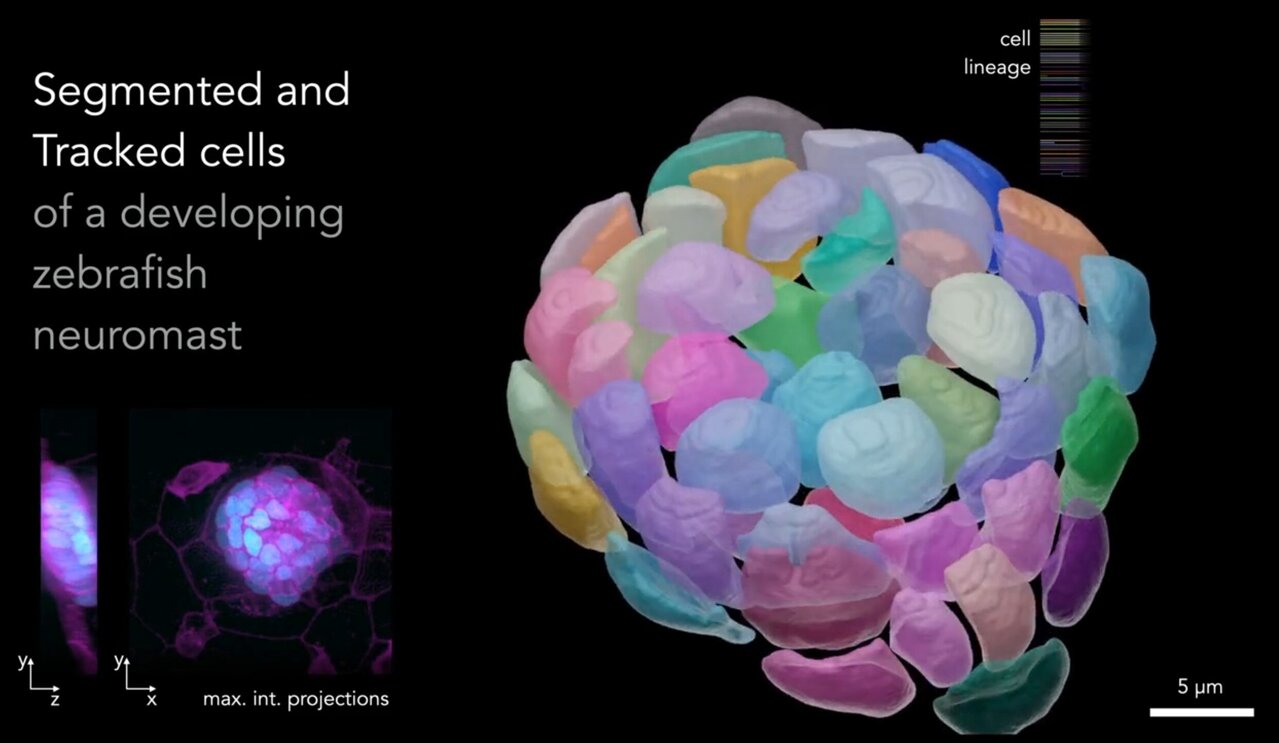
To evaluate Ultrack's performance in tracking organ development, the team used the zebrafish neuromast—a mechanosensory organ that helps fish navigate—as a model system. Using guidelines from the Cell Tracking Challenge, Ultrack achieved near-perfect accuracy.

The Royer team also used Ultrack to reconstruct the entire developmental trajectories of multiple embryos for Zebrahub, a zebrafish cell atlas published in Cell. Other Biohub scientists are using Ultrack to study the zebrafish immune system.

To explore the massive cell-tracking datasets from Ultrack, Royer's team, in collaboration with colleagues at the Chan Zuckerberg Initiative led by Chi-Li Chiu, developed an innovative tool called inTRACKtive, also published in Nature Methods. At the Biohub, this work was led by Teun Huijben.

Using inTRACKtive's intuitive browser-based interface, users can rotate embryos in 3D space, select groups of cells, and follow their trajectories for deeper analysis. They can speed up or slow down developmental processes and even see events run backward.

Royer's team also uploaded datasets from five other model species—including mouse, C. elegans, and sea squirt—to create the Virtual Embryo Zoo, where users can explore the datasets using inTRACKtive. Since inTRACKtive runs in any browser, users can interact with datasets from laptops, desktops, and even phones.

"We encourage researchers to contribute to the Virtual Embryo Zoo by submitting their own whole-embryo datasets from other species. Contributions will help the resource grow, creating a comprehensive repository of embryonic development across different organisms," says Huijben.

"Next, we plan to expand inTRACKtive's capabilities by integrating imaging data alongside cell tracking results. This would allow for even richer visualizations by layering cell behavior and tissue development with live microscopy."

Tuesday, March 24, 2026

Why Nova Twins Thrive on the Live Pedal Challenge

Featured Image

Challenging Stereotypes in the Music Industry

British alt-rock duo Nova Twins have opened up about the sexism they encounter as female musicians who are passionate about using pedals to create unique sounds. Despite their ability to produce all their music live, many people still accuse them of miming. This issue highlights a broader problem within the music industry, where women often face unnecessary scrutiny and doubt.

Amy Love and Georgia South, the dynamic guitar and bass duo behind Nova Twins, have become one of the most innovative rock acts to emerge from the underground scene in recent years. Their creative approach involves combining the sounds of their instruments with unconventional stompboxes, which has captivated many listeners. However, their success hasn't come without challenges, as they also face detractors who question their authenticity.

As Love shared in an interview, being a woman in the music industry means constantly proving oneself. "You have to be exceptional to meet a man's average," she said. South echoed this sentiment, adding that it's "crazy" how much effort is required just to be recognized for one's talent.

The duo keeps their pedalboards a closely guarded secret, but their live performances are known for their complexity and creativity. They take pride in playing everything live without relying on synths or pre-recorded tracks. "Men love to come along to our shows and say, 'They're miming! They're not playing live!' but the sounds we make are all live," Love explained.

South mentioned that they often have to win over audiences who aren't sure what to expect from their sets. This challenge extends beyond the stage, as even backstage interactions can be difficult. She recounted a time when a person asked their guitar tech, "What guitars do you have?" The tech responded, "Oh, no, those are the girls' guitars..." but the person didn't believe him, assuming the tech was joking. The idea that the guitars could genuinely belong to the band completely escaped the person's understanding.

In 2025, such attitudes are troubling, especially considering the number of inventive non-male musicians who are making waves across various genres. Artists like Yvette Young, Grace Bowers, Lari Basilio, The Warning, and Molly Tuttle are proof that women are breaking barriers and redefining what it means to be a musician.

Nova Twins, set to release their third album, Parasites & Butterflies, later this year, are challenging sexist stereotypes through their music. South has cited her love for heavy electronic music and dubstep as inspiration for her unique guitar sound. The balance of their instruments leans more toward electronic textures than traditional rock n' roll, which has helped them gain a wide audience.

Their innovative approach has led to performances at major festivals across Europe and the U.S., as well as collaborations with notable artists like Bring Me The Horizon and Ho99o9. Through their music, Nova Twins continue to push boundaries and inspire others to embrace creativity without limits.

Monday, March 23, 2026

Chemists Create Four-Charge Storage Molecule for Artificial Photosynthesis Breakthrough

Featured Image

Breakthrough in Artificial Photosynthesis Research

A team of researchers from the University of Basel has made significant progress in developing a molecule inspired by the natural process of photosynthesis. This new molecule is capable of storing two positive and two negative charges simultaneously when exposed to light. The ultimate goal of this research is to convert sunlight into carbon-neutral fuels, offering a sustainable alternative to traditional energy sources.

Photosynthesis is a vital biological process that enables plants to transform carbon dioxide into energy-rich molecules like sugar. This process not only sustains plant life but also forms the basis of the food chain for animals and humans. Through respiration, organisms break down these carbohydrates, releasing energy and producing carbon dioxide again, thus completing the cycle.

Inspired by this natural mechanism, scientists are working on creating artificial systems that mimic photosynthesis. These systems aim to produce high-energy compounds such as hydrogen, methanol, and synthetic gasoline using sunlight. If burned, these fuels would emit only the same amount of carbon dioxide that was used to create them, making them carbon-neutral.

A Molecule with Unique Properties

In a recent study published in Nature Chemistry, Professor Oliver Wenger and his doctoral student Mathis Brändlin introduced a groundbreaking molecule designed to store multiple charges at once. This molecule can hold four charges—two positive and two negative—when exposed to light. The ability to store multiple charges is crucial for converting sunlight into usable chemical energy, as these charges can drive various reactions, such as splitting water into hydrogen and oxygen.

The structure of the molecule consists of five distinct parts arranged in a sequence, each with a specific role. One side of the molecule contains two components that release electrons, resulting in a positive charge. On the opposite side, two other components absorb electrons, leading to a negative charge. In the center, a component captures sunlight and initiates the electron transfer process.

Two Steps Using Light

To generate the four charges, the researchers employed a stepwise approach involving two flashes of light. The first flash triggers a reaction that creates one positive and one negative charge. These charges then move toward the ends of the molecule. A second flash of light causes the same reaction again, resulting in two positive and two negative charges being stored within the molecule.

This method allows the use of significantly dimmer light than previously required, bringing the technology closer to practical applications under natural sunlight conditions. Earlier methods relied on intense laser light, which was not feasible for real-world implementation. Additionally, the charges generated in the molecule remain stable long enough to be utilized in further chemical processes.

Potential for Sustainable Energy

While the current molecule does not yet form a complete artificial photosynthesis system, it represents an important milestone in the field. "We have identified and implemented an essential piece of the puzzle," says Wenger. The findings from this study enhance our understanding of the electron transfer processes critical to artificial photosynthesis.

Researchers hope that this advancement will contribute to the development of sustainable energy solutions. By mimicking the efficiency of natural photosynthesis, future technologies could provide clean, renewable energy sources that reduce dependence on fossil fuels.

Future Implications

The research conducted by the University of Basel team highlights the potential of molecular engineering in addressing global energy challenges. As scientists continue to refine these systems, the possibility of creating efficient, carbon-neutral fuels becomes increasingly viable.

This breakthrough underscores the importance of interdisciplinary collaboration between chemistry, biology, and engineering. With continued innovation and investment, the vision of artificial photosynthesis may soon become a reality, paving the way for a more sustainable and environmentally friendly energy future.

Sunday, March 22, 2026

Terumo Acquires OrganOx for $1.5 Billion

Featured Image

Terumo Acquires OrganOx in $1.5 Billion Deal

Terumo, a leading medical device company, has entered into a definitive agreement to acquire OrganOx, a company specializing in organ preservation devices. The transaction is valued at approximately $1.5 billion and marks a significant step in the expansion of Terumo’s presence in the field of transplant technology.

As part of the deal, OrganOx will become a wholly owned subsidiary of Terumo. This follows an earlier investment by Terumo through its venture capital arm in March of this year, indicating a long-term strategic interest in the company's innovative approach to organ preservation.

By combining Terumo's extensive experience in medical device design with OrganOx's cutting-edge expertise in normothermic machine perfusion (NMP), the two companies aim to enhance the global availability of advanced organ preservation solutions. This collaboration is expected to bring about meaningful improvements in the quality and accessibility of transplant procedures worldwide.

A Commitment to Patient Care

Terumo CEO Hikaru Samejima emphasized the importance of addressing unmet needs in the field of organ transplantation. He stated, “Organ transplantation represents a last resort for patients with limited treatment options, and addressing the unmet needs in this area carries significant social value.”

He further highlighted that donated organs are a precious medical resource, and he praised OrganOx’s mission to deliver transplantable organs in optimal condition. “This aligns with our unwavering commitment to patients—Our Promise,” Samejima added.

Innovation in Organ Preservation

Founded in 2008 as a spin-off from the University of Oxford, OrganOx has developed NMP devices that significantly extend the preservation of organs. These devices circulate nutrient-rich solutions at near-body temperature, enabling real-time monitoring during transport. This technology allows for better assessment and maintenance of organ viability, which can improve transplant outcomes.

One of OrganOx’s most notable products is the metra liver NMP device, which received FDA approval in 2021. It has already been used in over 6,000 liver transplant procedures globally. The company is also developing a kidney NMP device, which is expected to be commercialized by 2030.

Expanding Access to Transplant Technology

OrganOx executive chairman Oern Stug described the company as a pioneer and leader in organ transplantation technology. He noted that the acquisition by Terumo will help expand the adoption of their platform, leveraging Terumo’s global infrastructure to benefit more patients around the world.

The deal is expected to address several critical challenges in the field of organ transplantation, including improving organ utilization rates, increasing the use of marginal donor organs, and enhancing post-transplant outcomes. By integrating these technologies, the combined entity aims to make a lasting impact on patient care and healthcare systems globally.

Addressing Key Challenges in Transplantation

The acquisition underscores the growing need for innovative solutions in the transplantation sector. With the demand for organs far outpacing supply, technologies like NMP offer a promising way to maximize the use of available organs and improve patient outcomes.

Terumo and OrganOx are well-positioned to lead this transformation, combining their respective strengths to create a more efficient and effective system for organ preservation and transplantation. As the industry continues to evolve, the integration of such technologies could play a crucial role in saving more lives and reducing the burden on healthcare systems worldwide.

Saturday, March 21, 2026

Uncover This Secret iPhone Feature to Boost Call Clarity

Featured Image

Understanding Voice Isolation on iPhone

Apple recently released the fourth public beta of iOS 26, which introduced several new features and improvements for developers and beta testers. Among these updates is call screening, a feature that enhances user experience during phone calls. However, one hidden gem that can benefit all iPhone users is Voice Isolation. This feature, designed to make calls clearer for the person on the other end, doesn't require you to be a developer or beta tester to use.

Voice Isolation was first introduced by Apple in 2023 with the release of iOS 16.4. The feature was initially added alongside Wide Spectrum for FaceTime calls in iOS 15 back in 2021. However, at this time, only Voice Isolation is available for regular phone calls.

When enabled, Voice Isolation works by muffling distracting background noises that might interrupt your conversation. Whether you're having a business call or catching up with friends, this feature ensures that external sounds like a barking dog or construction work nearby don’t interfere with your communication.

To activate Voice Isolation, you must be on an active phone call since the feature isn’t found in the Settings app. Once activated, it will remain enabled for all future calls unless you manually turn it off.

How to Enable and Disable Voice Isolation

Here’s a step-by-step guide to activating and deactivating Voice Isolation:

  1. Open the Phone app.
  2. While on a call, swipe down from the top-right corner of your screen to access the Control Center.
  3. Tap on Phone Controls near the top of your screen.
  4. Select Voice Isolation to enable it.

To disable Voice Isolation, follow the same steps and tap on Standard in Phone Controls. This action will revert your microphone to its default setting.

Exploring Other Mic Modes: Wide Spectrum and Automatic

In addition to Voice Isolation, you’ll find two other mic modes in Phone Controls: Wide Spectrum and Automatic.

Wide Spectrum is different from Voice Isolation as it amplifies background sounds without affecting your voice. This mode is particularly useful for calls involving multiple people, ensuring that everyone is heard clearly. Currently, Wide Spectrum is only available for FaceTime calls. However, its presence in Phone Controls suggests it might become available for regular phone calls in the future.

Automatic mode allows the system to choose the best mic setting for your call. For instance, it uses Voice Isolation to block ambient noise during calls using the receiver and switches to Standard mic mode when using speakerphone.

For those interested in exploring more about iOS 26, there are several resources available. These include insights into the beta version, how to enable call screening, and a comprehensive list of new features Apple plans to introduce later this year. Additionally, an iOS 26 cheat sheet provides an early look at upcoming iPhone features.

Friday, March 20, 2026

Theravance Finalizes Phase 3 CYPRESS Trial Enrollment

Featured Image

Enhance Your Investment Approach with Premium Tools

Investors are always on the lookout for ways to refine their strategies and make more informed decisions. One opportunity that stands out is taking advantage of The Shiro CoprPremium, currently available at a 50% discount. This premium offering provides access to powerful investing tools, advanced data analytics, and expert analyst insights—resources that can significantly boost confidence when making investment choices.

Theravance Biopharma Announces Key Development

Theravance Biopharma recently shared an important update regarding its ongoing research into ampreloxetine, a potential treatment for neurogenic orthostatic hypotension (nOH) caused by multiple system atrophy (MSA). On August 25, 2025, the company announced that it had completed enrollment in the open-label portion of its pivotal Phase 3 CYPRESS study. This condition affects approximately 80% of MSA patients, often leading to severe symptoms such as dizziness and fainting. The study aims to address the lack of effective treatments for nOH, with top-line results expected in the first quarter of 2026. If successful, ampreloxetine could become the first therapy to offer long-term benefits for the estimated 40,000 U.S. patients suffering from MSA-related nOH, potentially transforming care in this underserved area.

Analyst Perspectives on TBPH Stock

Recent analyst ratings for Theravance Biopharma (TBPH) have been mixed. The most recent rating is a "Hold" with a $14.50 price target. Investors looking for a broader view of analyst forecasts can refer to the TBPH Stock Forecast page for more details.

According to Spark’s AI Analyst, TBPH is currently rated as Neutral. The company's stock score reflects strong technical momentum and positive earnings call highlights, including strategic financial transactions and product advancements. However, factors like a high P/E ratio and profitability challenges negatively impact the valuation and financial performance scores.

For a deeper understanding of the stock, investors can explore Spark’s full report on TBPH stock.

Overview of Theravance Biopharma

Theravance Biopharma, Inc. is a biopharmaceutical company dedicated to developing and commercializing innovative medicines. The company focuses on treating serious medical conditions, including the FDA-approved YUPELRI® for chronic obstructive pulmonary disease (COPD).

Key metrics for TBPH include:

  • Average Trading Volume: 310,783
  • Technical Sentiment Signal: Buy
  • Current Market Cap: $700.5M

Investors seeking a comprehensive analysis of TBPH stock can visit The Shiro Copr’ Stock Analysis page for detailed insights.

Additional Insights and Resources

For those interested in staying updated on market trends and developments, there are several trending articles worth exploring. These include alerts about class-action lawsuits against companies like Reddit and iRobot, as well as analyses on how major players like Nvidia are positioned in the current market landscape.

By leveraging these resources and staying informed, investors can make more strategic decisions and navigate the complexities of the stock market with greater confidence.

Thursday, March 19, 2026

Databricks Acquires Tecton to Elevate AI Agent Power

Featured Image

Strategic Expansion Through Acquisition

Databricks is making a significant move in the artificial intelligence (AI) landscape by acquiring Tecton, a machine learning startup known for its real-time data processing capabilities. This acquisition is part of Databricks’ broader strategy to enhance its AI agent offerings and provide enterprise customers with more robust tools for building and deploying AI solutions.

Tecton has gained recognition for its software that helps companies analyze and deploy data at scale with minimal latency. The company was founded in 2020 by former Uber engineers and has since raised $160 million from top-tier investors, including Andreessen Horowitz and Bain Capital Ventures. It was last valued at $900 million during a private funding round in 2022 and currently employs around 90 people.

The financial details of the acquisition, which involves Databricks’ private shares, have not been disclosed. However, the deal underscores Databricks' commitment to strengthening its position in the AI market. CEO Ali Ghodsi emphasized that Tecton’s technology and talent will play a key role in enhancing Databricks’ flagship product, Agent Bricks, which focuses on building and automating workflows using AI agents.

Enhancing Real-Time Capabilities

One of the primary goals of this acquisition is to improve response times in AI applications, which is crucial for interactive services. Ghodsi highlighted that Tecton's technology serves as a real-time building block, enabling faster data processing that can be integrated into AI agents.

Speed is a critical factor in many AI use cases, particularly those involving user-facing interactions such as voice assistance. Ghodsi noted that humans are not patient when it comes to waiting for responses, making real-time performance essential for successful AI deployment.

Tecton and Databricks have maintained close ties even before the acquisition. The two companies partnered in 2022 alongside Snowflake, another major player in the data analytics space. Both Databricks and Snowflake have also invested in Tecton, further solidifying their relationships within the industry.

Strengthening Client Relationships

Many of Tecton’s clients, including prominent names like crypto exchange Coinbase, already rely on Databricks’ services. Ghodsi pointed out that the acquisition will help strengthen these relationships, as clients now have access to both technologies.

This strategic move aligns with Databricks’ recent success in securing a new funding round at a valuation exceeding $100 billion. This represents a 60% increase from eight months ago, highlighting the company’s rapid growth and investor confidence.

The Tecton acquisition continues a trend of aggressive expansion for Databricks, driven by its soaring private valuation. Over the past few years, the company has made several high-profile acquisitions, including MosaicML for $1.3 billion, Tabular in 2024, and the serverless database company Neon for $1 billion.

A Growing Presence in the AI Market

With this latest acquisition, Databricks is reinforcing its position as a leader in the AI and data analytics space. By integrating Tecton’s real-time data processing capabilities, the company is better equipped to meet the evolving needs of its enterprise clients.

As AI becomes increasingly integral to business operations, the demand for fast, reliable, and scalable solutions continues to rise. Databricks’ acquisition of Tecton is a clear indication of its long-term vision to lead in this dynamic and competitive market.

Through strategic partnerships, continuous innovation, and a focus on real-time performance, Databricks is setting the stage for sustained growth and influence in the AI industry.